Hot Melt Adhesive Storage and Shelf Life: Best Practices for Manufacturers
Understanding hot melt adhesive storage and shelf life is one of the most overlooked yet critical aspects of industrial adhesive management. Improper storage can degrade performance, cause costly production downtime, and result in significant material waste. According to industry estimates, poor adhesive storage practices account for up to 15% of adhesive-related production defects annually. Whether you are managing EVA, PO, PA, or PSA hot melt products, following the right storage protocols ensures you get the full value from every kilogram you purchase.
In this guide, Devote’s technical team outlines the recommended conditions, common degradation signs, and inventory management strategies that every manufacturer should adopt.
Why Proper Hot Melt Adhesive Storage Matters
Hot melt adhesives are thermoplastic materials that are sensitive to heat, moisture, and UV light. When stored incorrectly, even within the stated shelf life, these adhesives can undergo premature ageing that manifests as discolouration, viscosity drift, or poor bond strength. The consequences are not just about wasted material — a degraded adhesive that makes it onto the production line can cause delamination, filter bypass, package failures, or structural defects in finished goods.
The stakes are especially high in regulated industries. Automotive and filtration manufacturers, for example, must trace every batch of adhesive used to final assemblies. If stored adhesive exceeds its shelf life or was subjected to out-of-range conditions, the entire batch may need to be quarantined. This is why a disciplined hot melt adhesive storage programme is not optional — it is part of your quality management system.
Recommended Storage Conditions by Adhesive Type
Not all hot melt adhesives have the same storage requirements. The base polymer chemistry determines both the ideal environment and the typical shelf life.
| Adhesive Type | Storage Temperature | Relative Humidity | Typical Shelf Life |
|---|---|---|---|
| EVA (Ethylene-Vinyl Acetate) | 5°C – 30°C | < 60% | 12 – 24 months |
| PO (Polyolefin) | 5°C – 30°C | < 60% | 18 – 24 months |
| PA (Polyamide) | 10°C – 25°C | < 50% | 12 – 18 months |
| PES (Polyester) | 10°C – 25°C | < 50% | 12 – 18 months |
| PSA (Pressure-Sensitive) | 15°C – 25°C | < 55% | 6 – 12 months |
Key rule: Always keep hot melt adhesive away from direct sunlight, heat sources (radiators, steam pipes), and areas prone to condensation. Even short-duration exposure to temperatures above 40°C can accelerate oxidative degradation in EVA and PO grades.
Packaging Formats and Their Impact on Shelf Life
The packaging format of your hot melt adhesive directly affects how long it remains stable. Common formats include:
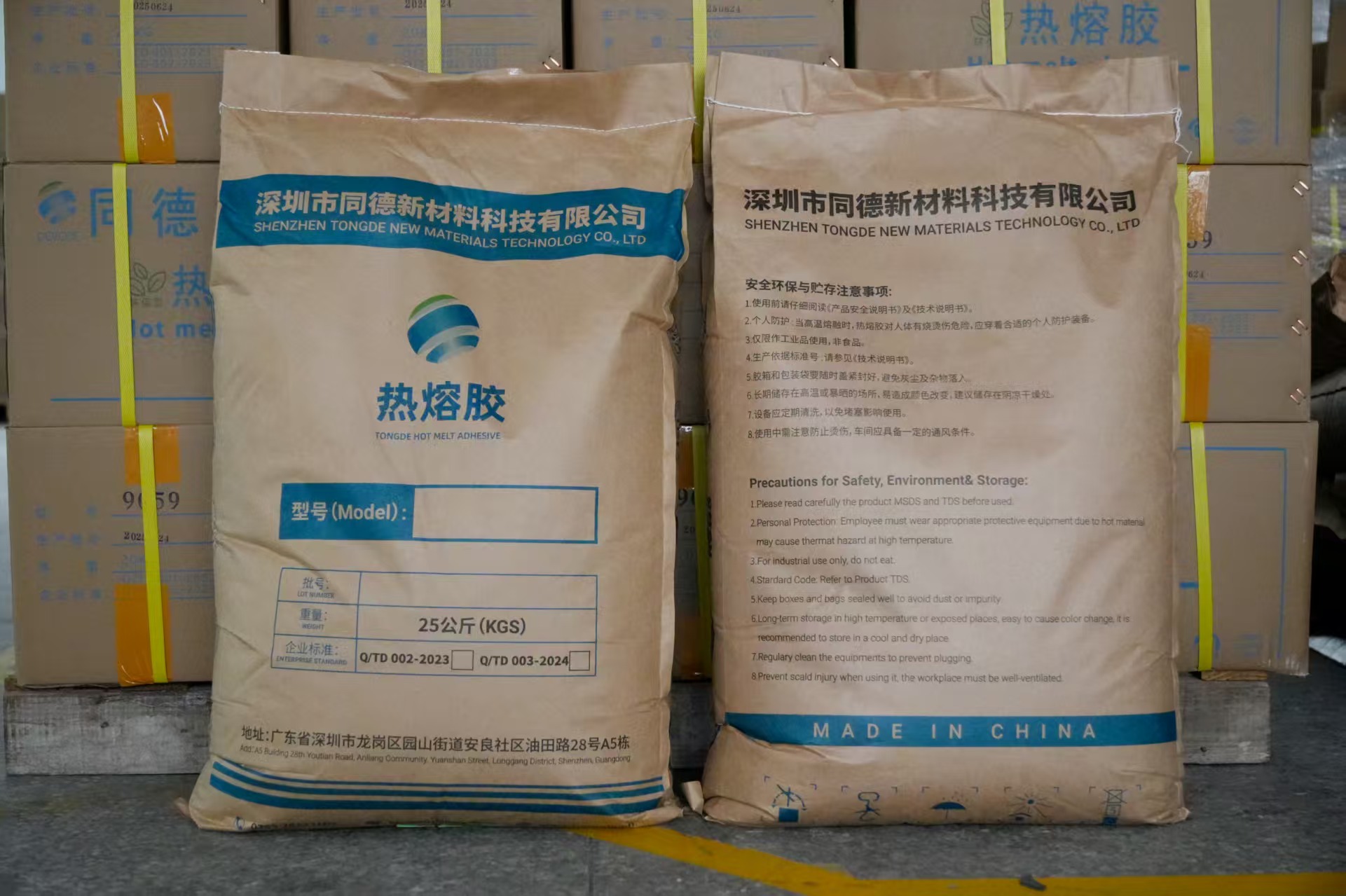
- Pillows / Granules (bulk bags or cartons): The most common form for industrial use. Loose granules have more surface area exposed to air, so the packaging must remain sealed until use. Once opened, consume within 30 days if left in ambient conditions.
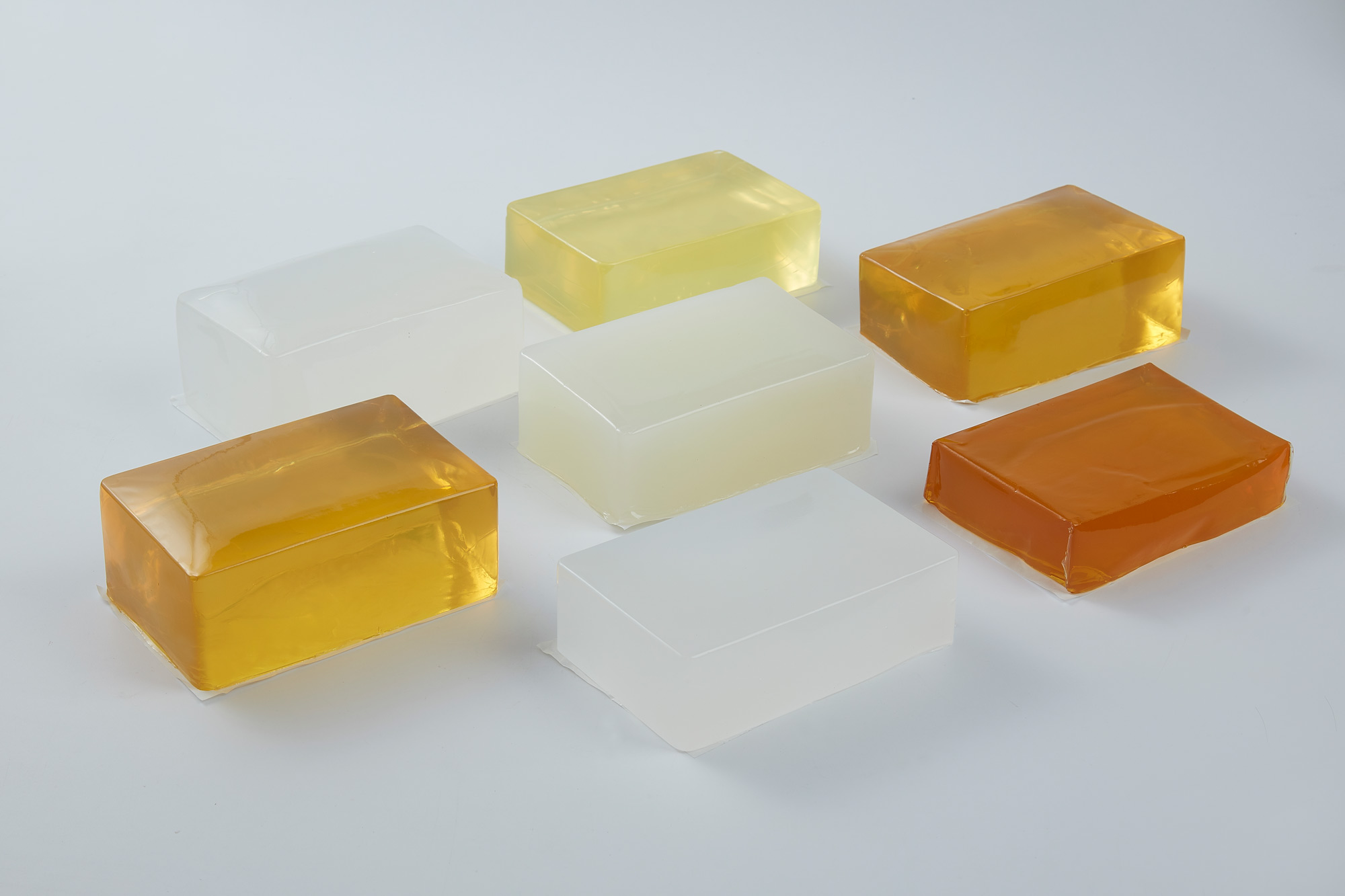
- Blocks (1 kg or 5 kg): Lower surface area per volume. Blocks are more resistant to ambient oxidation but must still be stored in original packaging to avoid moisture absorption, especially for PA and PES grades.
- Glue Sticks (for gun applicators): Individually wrapped or in polybags. Shelf life depends on the base resin but is typically 12–18 months if kept sealed and dry.
- Drum / Pail (melt-out format): These are sealed metal containers designed for bulk production lines. If the drum lid has been opened and the product partially used, reseal tightly and use within 60 days.
Devote supplies its products in nitrogen-flushed packaging for certain moisture-sensitive grades (PA and PES), extending shelf life by reducing oxidative contact during transit and storage.
How to Identify Adhesive Degradation Before It Reaches the Line
Visual and physical inspection is the first line of defence against degraded material. Train your warehouse and line-setting team to look for the following warning signs:
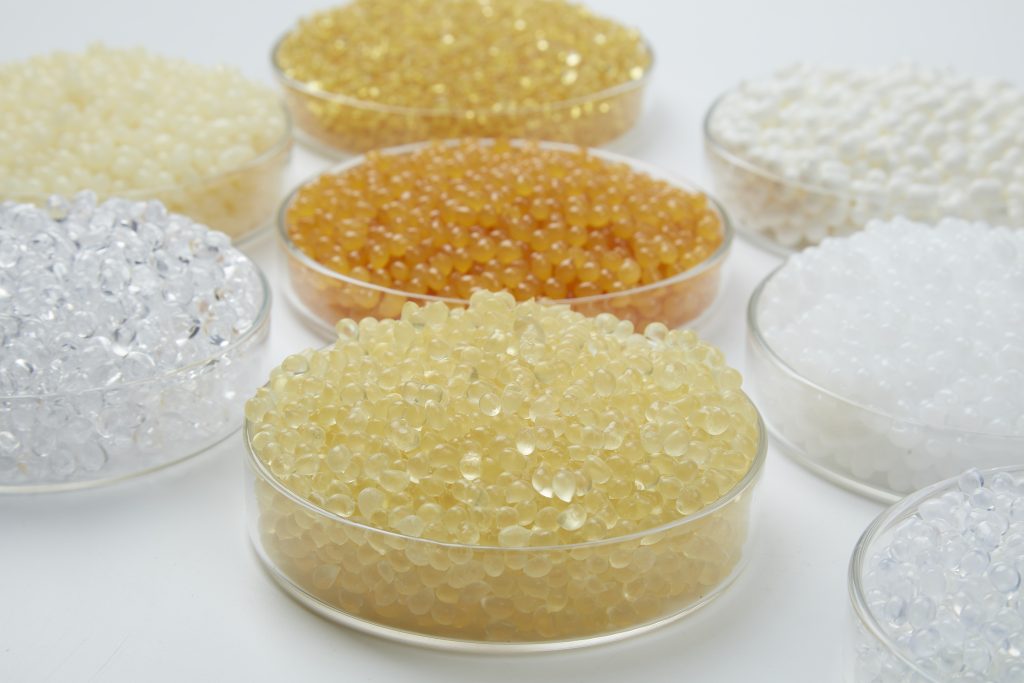
- Discolouration: Fresh EVA hot melt is typically white, off-white, or light yellow. A brownish or dark amber colour indicates thermal or oxidative degradation.
- Lumping or agglomeration: Granules sticking together in clumps suggest moisture exposure or partial melting due to high storage temperatures.
- Unusual odour: A sharp, acrid, or burned smell in products that normally have little odour is a sign of decomposition.
- Viscosity changes: If the adhesive melts faster or slower than usual, or if the bead is inconsistent during application, test a sample against the TDS viscosity specification.
- Poor bond strength in QC test: Always run a standard peel or tensile test on the first batch from a new storage lot before committing it to full production.
If any of these signs are present, quarantine the batch and contact your adhesive supplier for technical assessment. Do not attempt to “burn off” degraded material by raising melt temperature — this accelerates char formation and can damage your equipment.
FIFO Inventory Management for Adhesive Warehouses
First-In-First-Out (FIFO) is the non-negotiable standard for adhesive inventory management. Because hot melt adhesives have a defined shelf life, older stock must always be consumed before newer deliveries. Here is how to implement FIFO effectively in your warehouse:
- Label every pallet and carton with the delivery date and batch number upon receipt. Use colour-coded labels by month if your warehouse processes high volumes.
- Rack from the back: New deliveries go to the back of the storage rack; pick from the front. In floor-level pallet storage, use a U-shaped flow path so the intake aisle is separate from the pick aisle.
- Set minimum stock alerts: Maintain only 4–6 weeks of stock where shelf life is 12 months or less (e.g., PSA grades). Overstocking increases the risk of shelf-life violations.
- Monthly stock rotation audits: A warehouse supervisor should physically verify FIFO compliance and check batch expiry dates once per month.
- ERP integration: If your plant uses an ERP system, record adhesive batch numbers and expiry dates as part of your raw material master. Configure automatic alerts when stock approaches 90% of its shelf life.
For more information on how Devote supports traceability and batch documentation, visit our application solutions page or contact our technical sales team.
Special Considerations for High-Humidity Climates
Manufacturers in Southeast Asia, South China, or coastal industrial zones face additional challenges because ambient relative humidity can exceed 80% during summer months. For these environments, Devote recommends:
- Storing PA and PES adhesives in a climate-controlled room maintained at 18–22°C and RH < 50%. A standard dehumidifier-equipped storeroom is sufficient.
- Not breaking pallet wrap or opening cartons until immediately before use.
- For granule formats, transferring opened bags into sealed polybuckets with silica gel desiccant packs.
- Considering Devote’s foil-barrier packaging option for orders destined for high-humidity regions — this adds a moisture-proof outer layer to each inner bag.
Research published by the Pressure Sensitive Tape Council (PSTC) confirms that moisture absorption above the threshold level can reduce cohesive strength in polyamide-based adhesives by up to 20% — underscoring the importance of humidity control in storage environments.
Frequently Asked Questions
Q1: Can I use hot melt adhesive that has exceeded its shelf life?
Technically, some hot melt adhesives remain functional slightly beyond their stated shelf life if stored under ideal conditions. However, using out-of-shelf-life material carries significant risk, particularly in quality-critical applications. Always test a sample against key performance parameters (viscosity, bond strength, open time) before approving out-of-shelf-life stock for production. In ISO 9001 or IATF 16949 environments, using expired raw materials without documented deviation approval is a non-conformance.
Q2: How should hot melt adhesive be stored after the original packaging is opened?
Reseal opened packaging as tightly as possible immediately after each use. For granule bags, fold the top over and secure with a bag clip or tape, or transfer the remainder into a sealed container. Avoid storing opened material near heat sources or in areas with fluctuating temperature. Consume opened packaging within 30 days for granules, and within 60 days for blocks, assuming ambient conditions remain within the recommended range.
Q3: Does storing hot melt adhesive at low temperatures (near freezing) extend its shelf life?
Cold storage near 0–5°C does slow the ageing process for most hot melt types, but it introduces a different risk: condensation. When cold adhesive is moved into a warm production area, moisture from humid air can condense on the surface of granules or blocks. This moisture can cause steam voids during melt processing, leading to inconsistent adhesive application. If you do use cold storage, always allow adhesive to acclimatise to ambient temperature for at least 24 hours before opening the packaging and using it in production.
Partner With Devote for Reliable Hot Melt Adhesive Supply
At Devote, we manufacture a full range of environmentally responsible hot melt adhesives — EVA, PO, PA, PES, and PSA — from our production facility in Shenzhen, China. Every batch ships with a full Certificate of Analysis, including viscosity, softening point, and shelf life date. Our technical team can help you design a storage and inventory protocol that fits your production volume and climate conditions.
If you are experiencing adhesive quality issues that may be related to storage, or if you want to review your current inventory management practices, contact Devote today for a free technical consultation. Our specialists are ready to help you reduce waste, protect product quality, and keep your production line running at peak performance.

Understanding Hot Melt Adhesive Open Time: What It Is and Why It Matters
Polyamide Hot Melt Adhesive High Temperature Guide: Reading the Spec Sheet
Hot Melt Adhesive for Edge Banding: Ensuring Clean Bonds in Furniture Manufacturing
How to Test Hot Melt Adhesive Samples on Your Own Production Line: A Practical Guide
Food-Contact Hot Melt Adhesive Compliance: FDA, RoHS 2.0 and REACH Made Simple