ISO 9001 Certified Hot Melt Adhesive Manufacturer: What It Means for Your Supply Chain
Choosing an ISO 9001 certified hot melt adhesive manufacturer is one of the most reliable ways to protect product quality and reduce supply chain risk. ISO 9001 certification signals that a supplier operates within a documented, audited quality management system — not simply claiming high standards, but proving them through independent third-party verification. For procurement teams, engineers, and production managers sourcing adhesives for filtration, automotive, hygiene, packaging, or furniture applications, this distinction can make the difference between a smooth production line and costly downtime.
In this guide, we break down exactly what ISO 9001 requires of a hot melt adhesive manufacturer, what buyers should verify before awarding a contract, and how Devote’s certified manufacturing process in Shenzhen, China translates into measurable supply chain benefits.
What ISO 9001 Actually Requires from a Hot Melt Adhesive Manufacturer
ISO 9001:2015 — the current version of the standard — is a framework for quality management systems (QMS) published by the International Organization for Standardization. To earn and retain certification, a manufacturer must satisfy requirements across seven key areas:
- Context of the organisation: Understanding internal capabilities and external risks that affect quality.
- Leadership commitment: Top management must own quality objectives and drive continual improvement.
- Planning: Documented risk-based thinking applied to process design and supplier selection.
- Support: Qualified personnel, calibrated equipment, and controlled documentation.
- Operation: Controlled production processes with defined acceptance criteria at each stage.
- Performance evaluation: Internal audits, customer satisfaction measurement, and management reviews.
- Improvement: Nonconformity management, corrective actions, and trend analysis.
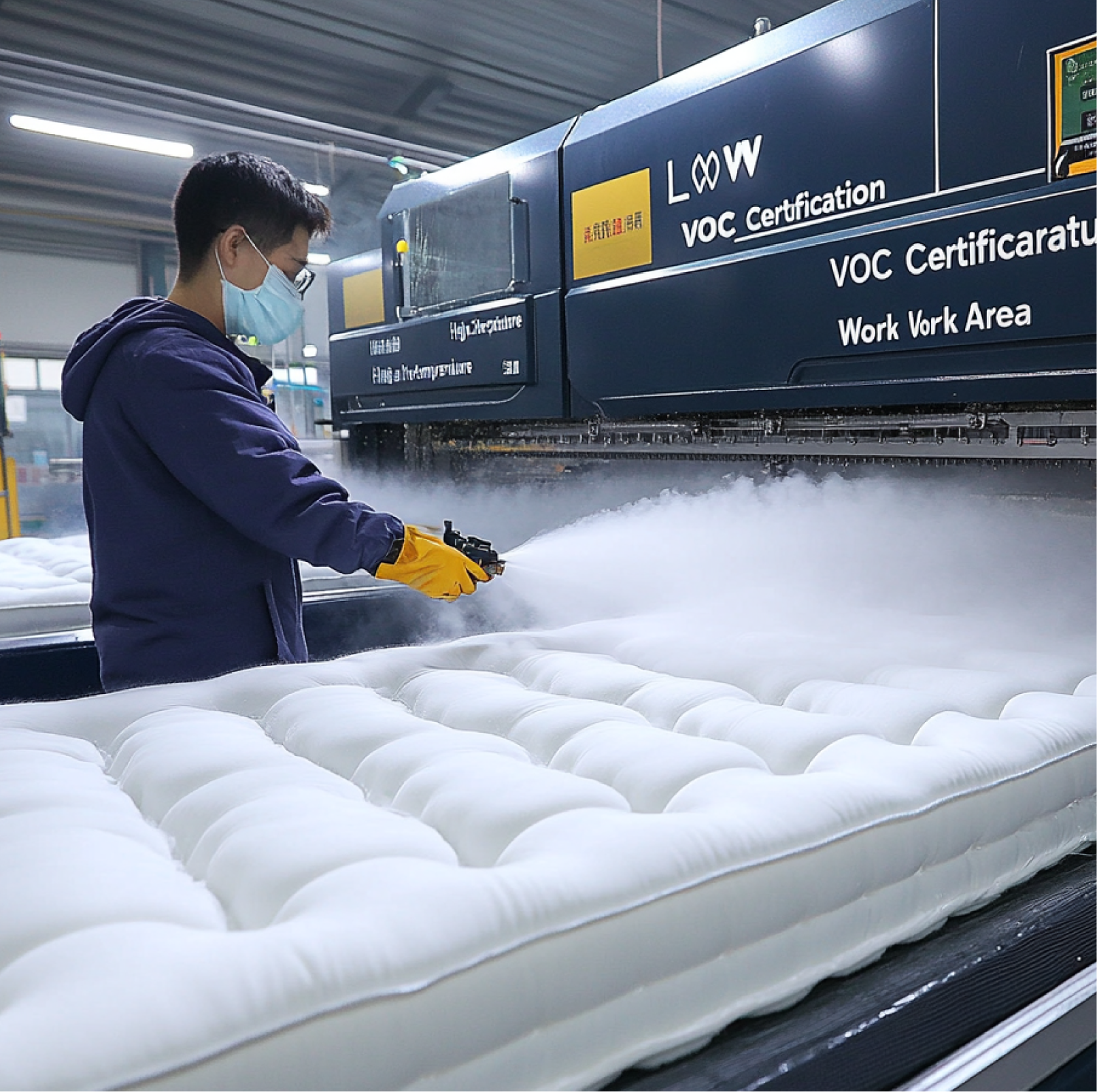
For hot melt adhesive production specifically, “operation” controls cover raw material incoming inspection (base polymers, tackifying resins, waxes, antioxidants), compounding temperature profiles, melt viscosity testing, colour grading, pelletising or stick-forming, and finished-goods sampling. Every batch that leaves a certified facility carries a documented quality record traceable to raw material lot numbers.

Why ISO 9001 Certification Matters for Adhesive Buyers
When an ISO 9001 hot melt adhesive manufacturer ships product, buyers gain several concrete assurances that non-certified suppliers cannot offer:
1. Batch-to-Batch Consistency
Hot melt adhesives are performance-critical materials. A shift of ±5 °C in the application temperature window, or a viscosity variation beyond ±10% of the target value, can produce open-seams in hygiene products, delamination in automotive filter media, or edge-banding failure in furniture panels. ISO 9001 requires statistical process control records and defined acceptance limits, so buyers can expect consistent rheological properties across every shipment.
According to the Adhesive and Sealant Council, adhesive-related production defects account for approximately 12–18% of overall assembly rework costs in high-volume manufacturing. Sourcing from a certified supplier is a proven method to drive that figure down.
2. Traceability and Audit Readiness
In regulated industries — medical devices, automotive OEM supply chains governed by IATF 16949, food-adjacent packaging — buyers are routinely required to demonstrate material traceability to their own customers or regulatory bodies. An ISO 9001 certified adhesive supplier maintains lot traceability records typically for a minimum of 3 years, enabling full backward and forward tracing from a finished product back to the raw material batch.
3. Structured Corrective Action
When a quality issue does arise, a certified supplier is contractually obligated to investigate root causes using documented corrective and preventive action (CAPA) processes, provide an 8D or equivalent report, and verify that the correction is effective before closing the action. This structured response reduces repeat nonconformances and protects the buyer’s production schedule.
4. Reduced Incoming Inspection Burden
Many procurement teams reduce or eliminate incoming inspection for ISO 9001 certified suppliers, relying on the supplier’s certificate of analysis (CoA) and statistical sampling records. Over a year’s supply volume, this can save significant laboratory time and accelerate production release.

What Buyers Should Verify Before Awarding a Contract
A certificate on a website is not sufficient due diligence. Experienced procurement teams routinely verify the following:
- Certificate validity and scope: Confirm the certificate is current (not expired), issued by an accredited certification body (e.g., SGS, Bureau Veritas, TÜV), and that the scope explicitly covers adhesive manufacturing — not only the company’s head office or a different product line.
- Surveillance audit history: ISO 9001 certificates require annual surveillance audits and a full recertification audit every three years. Request the most recent audit summary or non-conformance closure records.
- Product-specific test reports: Ask for CoAs and test data (viscosity at application temperature, softening point, open time, peel strength) for the specific adhesive grades you intend to purchase.
- Calibration records for critical instruments: Viscometers, thermocouple arrays, and analytical balances used in production must be calibrated to national or international standards. Gaps here are a common audit finding.
- Customer reference checks: Request references from buyers in your industry segment. A supplier serving automotive clients will have tighter process controls than one primarily selling to DIY markets.
Quality Control in Hot Melt Adhesive Manufacturing: A Practical Overview
Understanding what happens on the production floor helps buyers evaluate supplier claims more critically. A well-run ISO 9001 certified adhesive manufacturer typically maintains the following controls:
| Stage | Key Control | Typical Test / Record |
|---|---|---|
| Raw material incoming | Identity verification, lot sampling | Supplier CoA cross-check, infrared ID test |
| Compounding | Temperature profile, mixing time | Batch record, melt temperature log |
| In-process QC | Viscosity and colour check | Brookfield viscometer log (target ± tolerance) |
| Finished goods | Softening point, peel strength, open time | Certificate of Analysis per batch |
| Packaging / dispatch | Lot labelling, storage condition check | Dispatch record, shelf-life confirmation |
Devote’s ISO 9001 Certified Manufacturing in Shenzhen
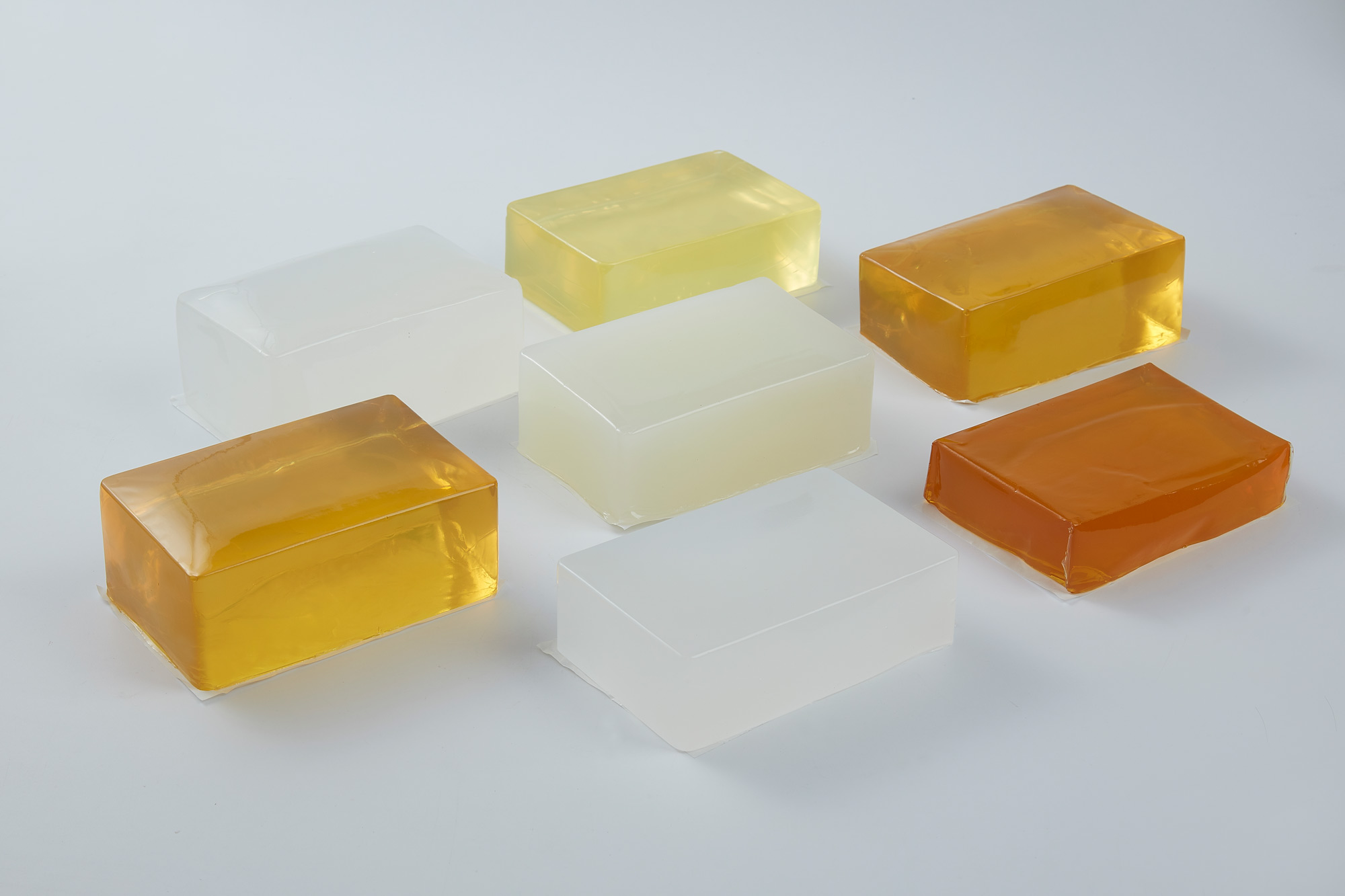
Devote is an ISO 9001 certified hot melt adhesive manufacturer based in Shenzhen, China, producing EVA, polyolefin (PO), polyamide (PA), polyester (PES), and pressure-sensitive (PSA) hot melt adhesive grades for clients across filtration, automotive, hygiene, packaging, and furniture industries globally.
Our quality management system covers the full production cycle — from raw material sourcing through compounding, quality testing, and export packaging. Every batch is accompanied by a certificate of analysis detailing viscosity at application temperature, ring-and-ball softening point, colour grade (Gardner or Hazen scale), and open time. Traceability records are retained for a minimum of five years.
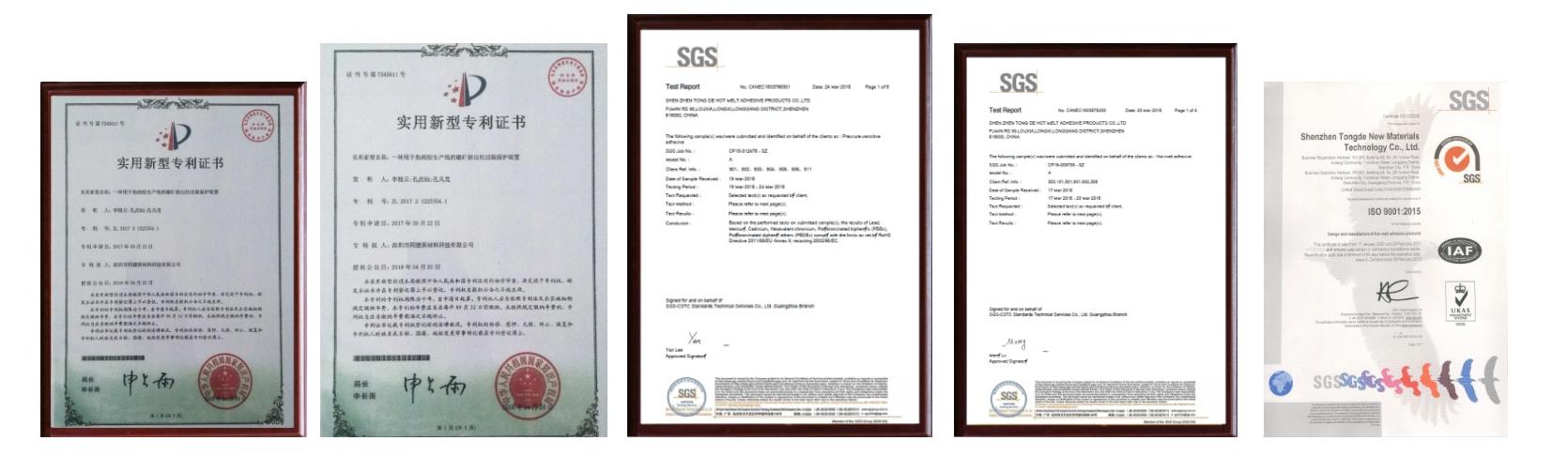
Devote’s manufacturing facility operates annual third-party surveillance audits conducted by an internationally accredited certification body. We actively share audit summaries with qualified procurement teams as part of our supplier qualification process. For automotive customers, our quality system documentation is also aligned with the traceability and corrective action requirements of IATF 16949 supply chains.
To review Devote’s full product range and certifications, visit our applications page or explore the technical data sheets available on request.
How ISO 9001 Certification Supports Supply Chain Reliability
Beyond individual batch quality, ISO 9001 certification has a direct impact on supply chain reliability at the system level:
- Fewer production disruptions: Controlled processes reduce the frequency of off-spec batches that would trigger production holds.
- Faster onboarding: Many procurement systems fast-track certified suppliers through the qualification process, reducing time to first delivery.
- Lower total cost of quality: Rework, warranty claims, and expedited freight from quality failures cost 3–5× more than prevention. Certified suppliers demonstrably invest in prevention.
- Regulatory compliance support: In markets requiring material declarations (REACH, RoHS, California Prop 65), a QMS-managed supplier is better positioned to provide accurate, timely documentation.
Frequently Asked Questions
How do I confirm an ISO 9001 certificate is legitimate?
Request the certificate directly from the supplier and cross-verify the certificate number through the issuing certification body’s online registry (e.g., SGS’s CertSearch or Bureau Veritas’ BVQI portal). Confirm the scope statement covers adhesive manufacturing and that the expiry date is current.
Is ISO 9001 sufficient for automotive adhesive supply, or do I need IATF 16949?
IATF 16949 is the automotive-sector-specific extension of ISO 9001 and is required for Tier 1 and Tier 2 direct component suppliers. However, adhesive manufacturers supplying into automotive filter or interior production are typically classified as sub-tier material suppliers, for whom ISO 9001 combined with automotive-aligned documentation (PPAP, FMEA support, MSDS/SDS) is generally accepted. Always confirm requirements with your direct customer.
What documents should I request from an ISO 9001 certified adhesive supplier?
At minimum: a copy of the current ISO 9001 certificate (with scope and expiry), a product-specific certificate of analysis for recent production batches, a Safety Data Sheet (SDS/MSDS), and any application-specific test reports (peel strength, shear resistance, or filter media bonding data relevant to your use case). For regulated applications, also request a REACH compliance declaration.
Partner with a Certified Hot Melt Adhesive Manufacturer
Sourcing adhesives from an ISO 9001 certified manufacturer is not a bureaucratic checkbox — it is a practical risk management decision that affects product quality, production continuity, and regulatory compliance across your supply chain. The certification is only as strong as the quality culture behind it, which is why Devote invests in continuous improvement, transparent audit access, and technical partnership with customers.
If you are evaluating hot melt adhesive suppliers for a new project or looking to strengthen your current supply chain, we welcome the opportunity to share our quality documentation and discuss your specific requirements. Contact Devote today — our technical team is ready to support your qualification process with data, samples, and direct communication.
For further reading on adhesive quality standards and industry best practices, the ISO 9001:2015 overview on iso.org provides the complete standard scope and certification requirements.