Choosing between a pressure sensitive adhesive vs hot melt adhesive is one of the most consequential decisions in industrial bonding. Both technologies bond substrates without solvents, yet their chemistries, processing requirements, and end-use strengths differ dramatically. This guide breaks down each technology, compares them across ten critical parameters, and helps you select the right system for your production line.
What Is a Pressure Sensitive Adhesive (PSA)?
A pressure sensitive adhesive forms an instant bond when light pressure is applied at room temperature — no heat, moisture, or solvent activation required. PSAs are viscoelastic materials: they flow slightly under pressure to maximise contact area, then recover to maintain a durable, flexible bond. The adhesive remains permanently tacky throughout its service life.
PSAs are based on one of four polymer platforms:
- Acrylic PSA — excellent UV and chemical resistance; common in medical tapes and outdoor labels
- Rubber-based PSA — high initial tack; used in masking tapes and general packaging tapes
- Silicone PSA — extreme temperature range (−60 °C to +260 °C); specialist electronics and aerospace
- Hot melt PSA (HMPSA) — a hybrid technology discussed further below
According to a 2024 market report by Grand View Research, the global PSA market was valued at USD 14.2 billion and is forecast to grow at 5.8% CAGR through 2030, driven primarily by hygiene, label, and flexible electronics segments.
What Is a Hot Melt Adhesive (HMA)?
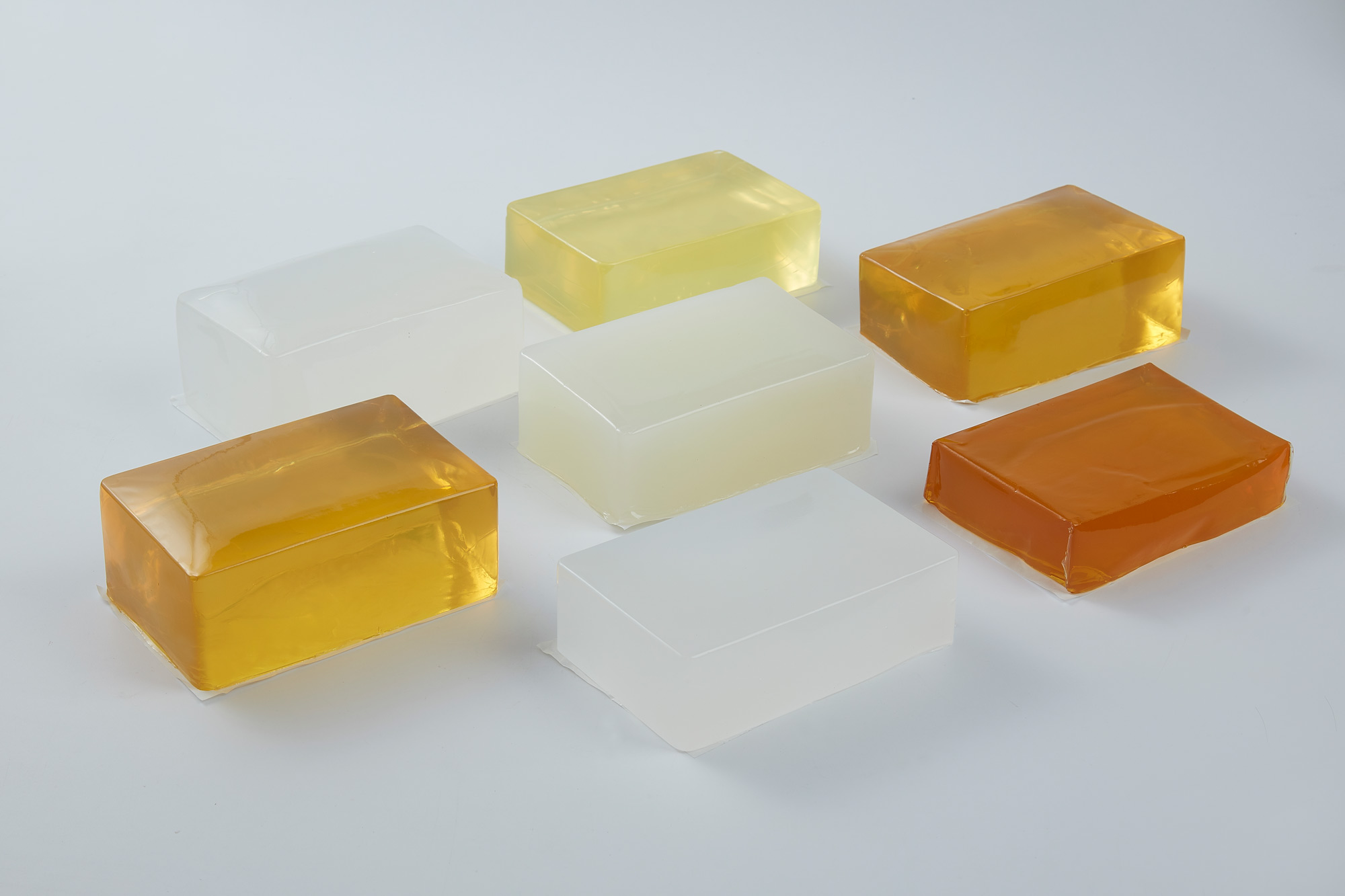
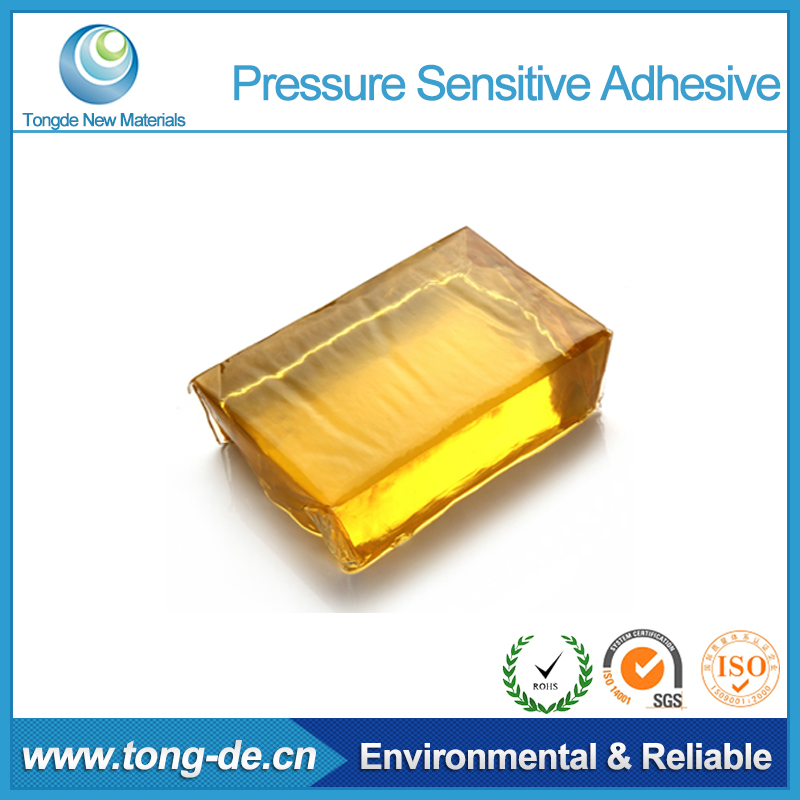
A hot melt adhesive is a 100% solid thermoplastic compound that is melted, applied in liquid form, and solidifies rapidly upon cooling to create a structural bond. Unlike PSAs, pressure sensitive adhesive vs hot melt comparisons show that HMAs rely on thermal processing rather than ambient tack. Hot melts are formulated from base polymers — EVA, polyolefin (PO), polyamide (PA), polyester (PES), or SBC — combined with tackifiers, waxes, and stabilisers.
Key process characteristics of hot melt adhesives:
- Application temperature: 120–200 °C depending on chemistry
- Open time: 1–60 seconds, engineered to match line speed
- Set time: typically under 5 seconds after substrate contact
- Bond strength at ambient temperature: 3–25 N/25 mm (peel) depending on substrate and grade
Hot melt PSA (HMPSA) bridges both worlds: it is processed as a hot melt for precise, high-speed coating, then performs as a pressure sensitive adhesive at room temperature. HMPSA is the dominant technology in hygiene product construction — diaper elastic attachment, waistband bonding, and topsheet lamination.
PSA vs Hot Melt: Side-by-Side Performance Comparison
The table below compares both technologies across the parameters that matter most to production engineers and purchasing managers.
| Parameter | Pressure Sensitive Adhesive (PSA) | Hot Melt Adhesive (HMA) |
|---|---|---|
| Activation method | Light pressure at room temperature | Heat (120–200 °C melt application) |
| Permanent tack | Yes — remains tacky after cure | No — solid after cooling |
| Bond strength (peel) | 2–12 N/25 mm (typical) | 5–25 N/25 mm (typical) |
| Heat resistance | Up to 80 °C (acrylic); 260 °C (silicone) | Up to 200 °C (PA grade) |
| Cold temperature performance | Retains tack to −40 °C (rubber-based) | Can become brittle below −20 °C (EVA) |
| Substrate flexibility | Excellent on foils, films, low-energy surfaces | Excellent on porous, fibrous, and rigid substrates |
| Processing speed | High — no cure time required | Very high — sets in <5 s at full line speed |
| VOC content | Solvent PSAs: high VOC; water-based: low; HMPSA: zero | Zero (100% solids, no solvent) |
| Repositionability | Yes (low-tack grades) | No — permanent bond once set |
| Cost per unit area | Higher ($/m² on average) | Lower (high solids, efficient application) |
Adhesion Mechanism: How Each Technology Bonds
Understanding the adhesion mechanism clarifies why each technology excels in specific use cases.
PSA bonding relies on viscoelastic flow. When pressed against a surface, the adhesive deforms to fill microscopic asperities, maximising molecular contact. Release requires overcoming both adhesive forces (surface energy matching) and cohesive forces within the adhesive layer. Because PSAs remain soft, they absorb vibration and flex — ideal for flexible electronics and medical devices that experience repeated movement.
Hot melt bonding relies on rapid wetting at melt temperature followed by mechanical interlocking as the adhesive solidifies. The molten adhesive penetrates porous fibres (filter media, nonwovens, cardboard) at a microscopic level. Upon cooling, the polymer matrix locks into the substrate structure, producing high peel and shear strength. This makes hot melts uniquely suited to filtration media bonding, carton sealing, and furniture edge banding — applications where permanent, high-strength bonds are required.
Total Cost Analysis
Raw material cost per kilogram is rarely the right metric. True cost comparison must account for:
- Application weight: Hot melts for carton sealing typically apply 2–5 g/m²; PSA labels may require 20–40 g/m² to achieve equivalent tack.
- Equipment investment: Hot melt systems (tank, pump, heated hose, nozzle) cost USD 3,000–50,000 depending on throughput. PSA coating lines typically cost more for equivalent speed.
- Waste and rejects: Hot melts with proper temperature control generate <0.5% reject rates; improper PSA application on non-ideal surfaces can reach 2–5%.
- Regulatory compliance cost: Solvent-based PSAs require extraction ventilation, solvent recovery, and hazardous waste disposal — adding USD 0.08–0.15/kg in hidden costs.
For high-volume industrial production (filtration, packaging, hygiene), hot melt adhesives deliver a 20–40% lower total cost of bonding compared to equivalent-performance PSA systems, based on published data from the Adhesive and Sealant Council (ASC, 2024).
Application Selection Guide: Which Technology Fits Your Needs?
Use the decision framework below to identify the right adhesive technology for your specific application.
| Application | Recommended Technology | Reason |
|---|---|---|
| Carton and case sealing | Hot melt (EVA) | Fast set, high bond strength on corrugated |
| Diaper elastic attachment | HMPSA (SBC-based) | Permanent tack + elastic recovery; skin-safe |
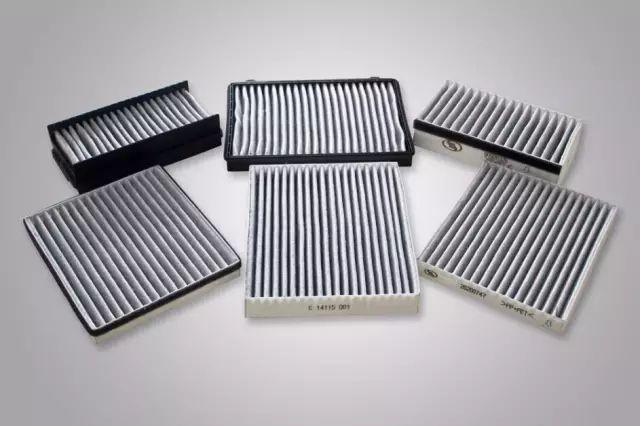
| Automotive filter end-cap | Hot melt (PO or PA) | High heat resistance; fibre penetration |
| Label and tape production | PSA (acrylic or rubber) | Repositionability; permanent tack required |
| Furniture edge banding | Hot melt (EVA or PO) | High shear strength; fast throughput |
| Medical wound dressings | PSA (silicone or acrylic) | Skin-safe; gentle removal; moisture vapour transmission |
| Flexible packaging lamination | Hot melt (PO) or HMPSA | Recyclability advantage; low application weight |
| Electronic component fixation | PSA (double-sided tape) | No heat exposure; repositionable for rework |
When your process demands permanent, high-strength bonds on porous substrates at production line speeds, hot melt adhesive is the superior choice. When your process requires ambient-temperature bonding, repositionability, or repeated contact-and-release cycles, PSA is the right platform.
For further guidance on hot melt adhesive selection by industry, visit the Devote Applications page where each sector is covered in detail. If your application involves filtration media, packaging films, or automotive components, our technical team can provide sample grades and application testing support.
Frequently Asked Questions
Can a hot melt adhesive replace a pressure sensitive adhesive in label applications?
Generally no — standard hot melts solidify after cooling and do not retain the permanent tack required for label applications. However, hot melt PSA (HMPSA) is specifically formulated to function as a PSA after being applied via a hot melt coater. HMPSA is widely used in label stock manufacturing precisely because it combines the application efficiency of hot melt processing with the end-use performance of a PSA.
Which adhesive technology offers better temperature resistance?
It depends on the base chemistry. Standard EVA hot melts soften above 80 °C, while polyamide (PA) hot melts maintain bond integrity up to 180–200 °C — suitable for automotive under-hood applications. Silicone PSAs outperform all hot melt grades at sustained temperatures above 200 °C. For most industrial filtration and automotive filter assembly processes, PA hot melt provides the optimal temperature resistance at a commercially viable price point.
Are hot melt adhesives more environmentally friendly than PSAs?
Hot melt adhesives are 100% solids — they contain no solvents and emit zero VOCs during application (when operated at correct temperatures). Solvent-based PSAs carry significant VOC emissions and require specialised waste handling. Water-based PSAs are lower in VOC but require energy-intensive drying ovens. From a carbon footprint and regulatory compliance standpoint, hot melt adhesives — particularly polyolefin-based grades — represent the most sustainable bonding technology for high-volume industrial manufacturing, and several Devote grades comply with REACH, RoHS, and RecyClass recyclability standards.
Still unsure whether a pressure sensitive adhesive or a hot melt system is right for your production line? The Devote technical team in Shenzhen works with manufacturers across the filtration, packaging, automotive, and hygiene industries to identify the optimal adhesive chemistry, grade, and application parameters for each specific process. Contact Devote today to request a free technical consultation and adhesive sample.