

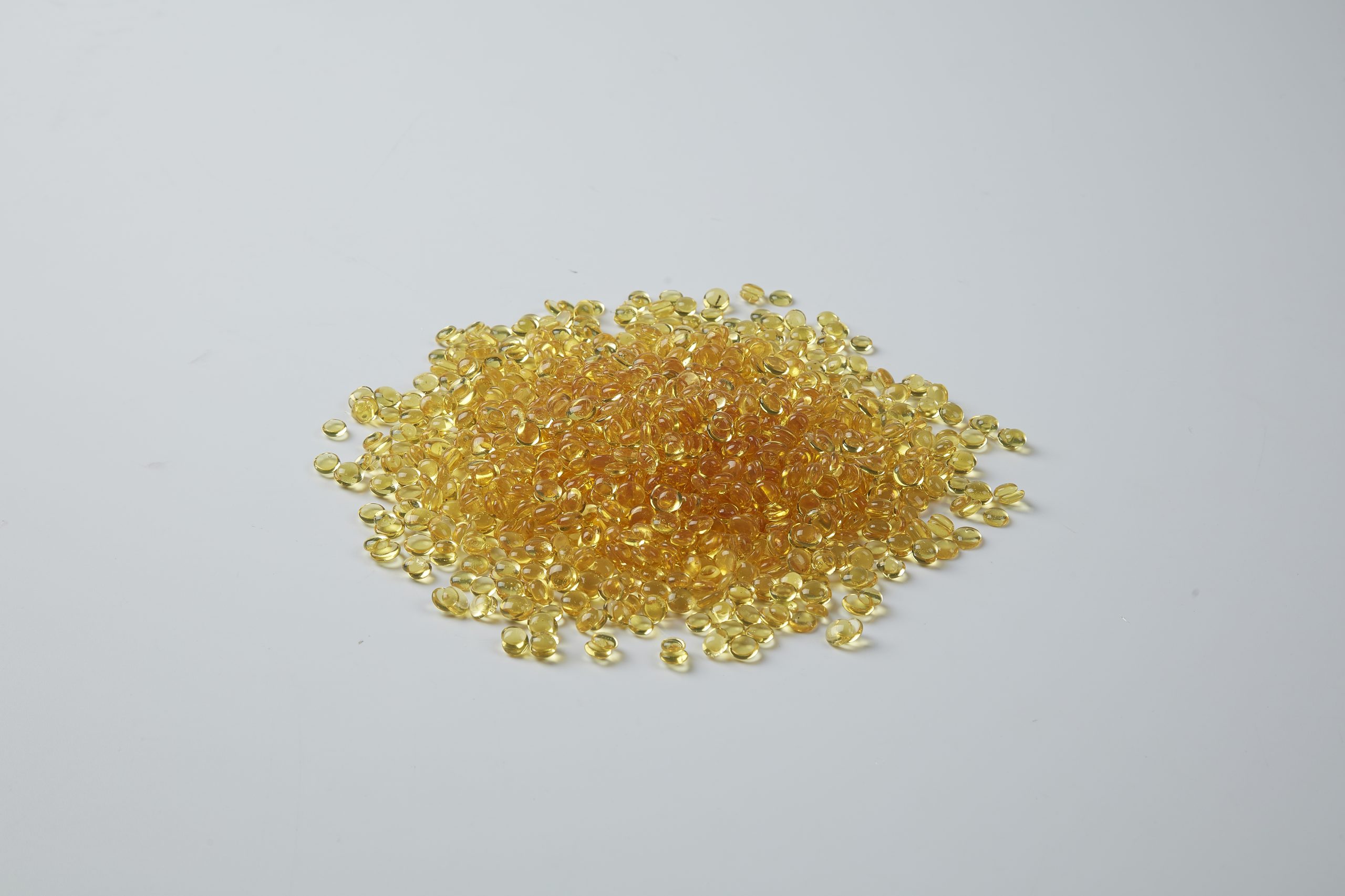
When bonding performance must survive extreme heat, polyamide hot melt adhesive high temperature formulations stand out as the go-to solution for engineers in electronics and automotive manufacturing. Unlike standard EVA-based hot melts that begin to soften above 60 °C, polyamide (PA) adhesives maintain structural integrity at continuous service temperatures of 120–180 °C — making them indispensable wherever thermal cycling, underhood exposure, or wave-soldering environments are part of the design brief. This guide explains what polyamide hot melt is, why its thermal stability data matters, and how to select the right grade for your specific application.
What Is Polyamide Hot Melt Adhesive?
Polyamide hot melt adhesive is a thermoplastic bonding material based on condensation polymers derived from dimerised fatty acids and diamines. The resulting amide linkages (-CO-NH-) give the cured adhesive its characteristic resistance to heat, oils, and chemicals. Because PA adhesives are 100% solids — they contain no solvents or water — they solidify entirely by cooling, delivering virtually instant green strength on the production line.
Key properties that define a high-quality polyamide hot melt adhesive include:
- Ring-and-ball softening point of 120–180 °C (versus 70–100 °C for standard EVA)
- Melt viscosity of 1,000–30,000 mPa·s at 200 °C, enabling precise bead or encapsulation application
- Excellent adhesion to metals, engineering plastics (PA66, PBT, PPS), glass fibre, and rubber
- Oil and grease resistance — critical in underhood automotive environments
- Low moisture absorption relative to nylon engineering plastics
Thermal Stability Data: How Polyamide Hot Melt Compares
Understanding thermal performance data is essential when specifying a polyamide hot melt adhesive for high-temperature assemblies. The table below compares PA adhesive against EVA and PO alternatives across the most critical parameters:
| Property | PA Hot Melt | PO (Polyolefin) Hot Melt | EVA Hot Melt |
|---|---|---|---|
| Continuous service temperature | 120–180 °C | 80–120 °C | 50–80 °C |
| Peak short-term temperature | up to 200 °C | up to 140 °C | up to 100 °C |
| Low-temperature flexibility | −20 to −40 °C | −30 to −50 °C | −20 to −30 °C |
| Oil/chemical resistance | Excellent | Good | Fair |
| Bond strength to metal | Very high | High | Moderate |
| Application temperature | 190–230 °C | 150–190 °C | 130–180 °C |
| Typical viscosity at 200 °C | 2,000–15,000 mPa·s | 1,500–8,000 mPa·s | 1,000–6,000 mPa·s |
According to the Adhesive and Sealant Council (ASC), heat-related bond failures account for approximately 29% of all adhesive warranty claims in electronics manufacturing — a figure that drops significantly when PA-grade adhesives are correctly specified. Investing in the right chemistry at the design stage pays back through lower field-return rates and longer product lifespans.

Polyamide Hot Melt Adhesive in Electronics Manufacturing
Electronics assemblies push adhesive chemistry hard: wave-soldering baths reach 260 °C, reflow ovens cycle between ambient and 250 °C repeatedly, and consumer devices must survive IEC 60068-2-14 thermal shock from −40 °C to +125 °C without delamination. Standard hot melts simply cannot meet these requirements, but polyamide hot melt adhesive high temperature grades are engineered to handle them.
Common electronics use cases include:
- PCB component potting and strain relief — PA adhesive protects connector wires and discrete components from vibration-induced fatigue fractures at solder joints.
- Coil winding encapsulation — transformers and inductors experience significant thermal cycling; PA adhesive maintains encapsulation integrity where epoxies can crack.
- Sensor housing bonding — temperature, pressure, and position sensors require hermetic-quality bonds that survive automotive-grade temperature cycling per ISO 16750-4.
- Cable and wire management — PA adhesive secures wire harnesses routed near heat-generating components (power modules, DC/DC converters) in EV battery packs.
- LED module assembly — high-wattage LED boards generate localised heat of 80–100 °C at the substrate; PA adhesive bonds heat-spreader substrates without creep.
Automotive Applications Demanding High-Temperature Performance
Modern vehicles contain hundreds of bonded assemblies, many of which sit in engine bays or exhaust-adjacent positions where ambient temperatures routinely exceed 100 °C. The shift to electric vehicles adds battery thermal management systems and power inverters operating at even higher temperature gradients. This makes polyamide hot melt adhesive a strategic material choice across multiple automotive sub-assemblies.
High-demand automotive applications include:
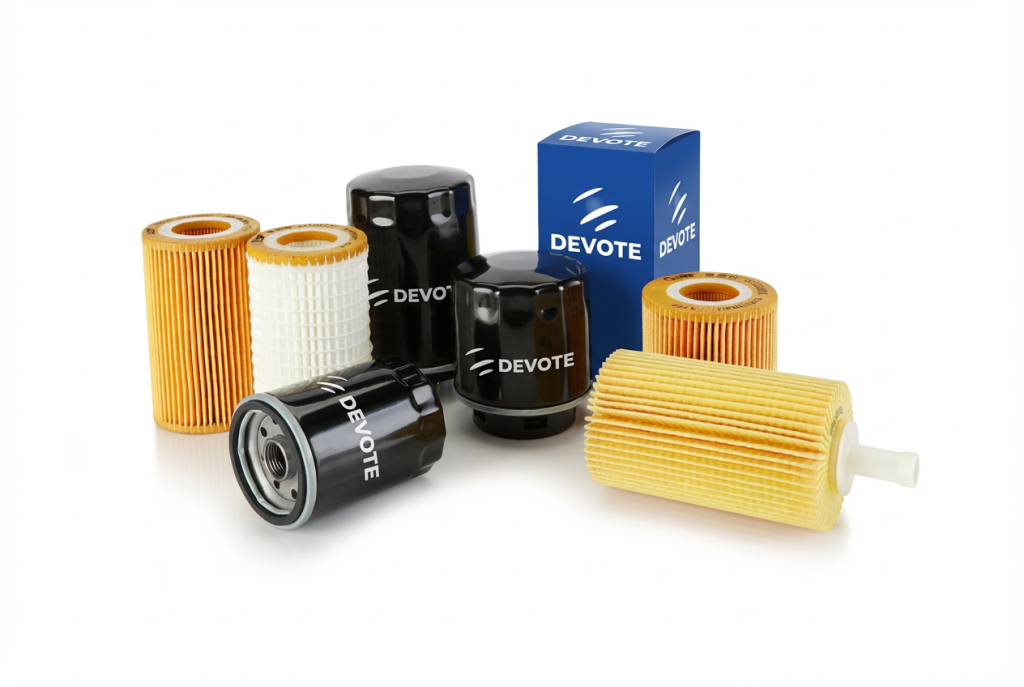
- Engine air and oil filter assembly — end-cap bonding on filter cartridges must resist hot oil splatter (up to 150 °C) and pressure cycling without softening or wicking into the filter media.
- HVAC blend door and actuator bonding — cabin HVAC assemblies cycle between −40 °C in winter and +90 °C on a parked summer dashboard; PA adhesive handles this range without embrittlement or creep.
- Fuel system component sealing — PA adhesive’s excellent resistance to hydrocarbons and ethanol-blended fuels makes it suitable for tank vent assemblies and fuel vapour canisters.
- Electrical connector potting — underhood connectors bonded with PA adhesive meet USCAR-25 environmental exposure requirements including 1,000-hour heat-age at 125 °C.
- EV battery module assembly — bus bar insulation and cooling plate edge-sealing in lithium-ion battery packs demand adhesives rated for both thermal conductivity management and 150 °C continuous service.
Devote supplies PA hot melt adhesive to filter manufacturers and Tier 1 automotive suppliers across Europe, North America, and South-East Asia. Our production facility in Shenzhen, China is ISO 9001 and IATF 16949 certified, and all automotive-grade products ship with full material traceability documentation. Learn more about our application solutions or contact our technical team to request samples and qualification data.
PA vs PES Hot Melt Adhesive: Choosing the Right High-Temperature Chemistry
Both polyamide (PA) and polyester (PES) hot melt adhesives occupy the high-performance segment of the hot melt market. Choosing between them depends on substrate type, continuous service temperature, and environmental exposure:
| Criterion | PA Hot Melt | PES Hot Melt |
|---|---|---|
| Max continuous service temp. | Up to 180 °C | Up to 150 °C |
| Primary substrates | Metal, engineering plastics, glass fibre | Textile, nonwoven, TPU, leather |
| Oil resistance | Excellent | Moderate |
| Wash/humidity resistance | Good | Excellent |
| Flexibility at low temp. | Moderate (−20 °C) | High (−30 °C) |
| Bond strength (metal-metal) | Very high | Moderate |
| Typical industries | Electronics, automotive, filtration | Footwear, sportswear, medical textile |
| Cost index | High | Medium-high |
The rule of thumb: choose PA when the operating environment involves oil, fuel, or dry heat above 130 °C, and when the primary substrates are metals or rigid engineering plastics. Choose PES when the substrates include flexible nonwovens or textiles and wash-cycle resistance is a priority. For mixed-substrate assemblies (e.g., a metal bracket bonded to a glass-fibre reinforced housing), PA typically provides superior long-term durability.
Devote Polyamide Hot Melt Adhesive Product Grades
Devote manufactures a focused range of PA hot melt adhesives optimised for electronics and automotive applications. All grades are produced in our ISO 9001 / IATF 16949 certified plant in Shenzhen with full batch traceability and COA documentation:
| Grade | Softening Point | Viscosity at 200 °C | Open Time | Primary Application |
|---|---|---|---|---|
| DV-PA-H120 | 120–130 °C | 3,000–5,000 mPa·s | 8–12 s | Electronics potting, LED assembly, general industrial |
| DV-PA-H150 | 148–158 °C | 5,000–9,000 mPa·s | 5–8 s | Filter end-cap bonding, HVAC actuators, sensor housing |
| DV-PA-H180 | 170–180 °C | 8,000–15,000 mPa·s | 3–5 s | Underhood electrical connectors, EV battery components |
Custom formulations are available for specialty substrates or application temperatures outside the ranges above. Contact our R&D team with your bonding requirement and we will recommend a grade or develop a bespoke solution.
Frequently Asked Questions
What is the maximum continuous service temperature for polyamide hot melt adhesive?
High-performance PA hot melt adhesive grades can withstand continuous service temperatures of up to 180 °C and short-term peak exposures of up to 200 °C. The exact threshold depends on the specific formulation, substrate combination, and applied bond load. Devote’s DV-PA-H180 grade is validated for 1,000-hour heat aging at 150 °C in accordance with ISO 16750-4 thermal cycling protocols. Always request TDS and qualification test data for your specific assembly conditions before finalising material selection.
Can polyamide hot melt adhesive be used in direct contact with food-grade materials?
Standard industrial PA hot melt adhesives are formulated for engineering and manufacturing applications and are not intended for direct food contact. If a food-contact application is required, you should request formulations specifically tested and documented to comply with EU Regulation 10/2011 (plastic materials in food contact) or FDA 21 CFR regulations in the US. Devote’s current PA product range is certified for industrial use; please contact us directly if food-contact compliance is a project requirement.
How does polyamide hot melt adhesive compare to two-component epoxy for automotive electronics bonding?
Two-component epoxy offers higher ultimate bond strength and better chemical resistance in some aggressive environments, but it requires mixing, has a working pot-life constraint, and demands extended cure times (minutes to hours). PA hot melt adhesive provides rapid green strength (seconds), eliminates mixing and pot-life management, and is fully reworkable at elevated temperature — a significant advantage in automated production lines and warranty-repair scenarios. For most automotive sensor, connector, and filter bonding applications, PA hot melt delivers equivalent long-term reliability with a much more process-friendly application profile.
Ready to Upgrade Your High-Temperature Bonding?
Whether you are designing a next-generation EV battery assembly, upgrading filter production lines, or specifying adhesives for automotive electronics, Devote’s polyamide hot melt adhesive range gives you the thermal performance data, production-line reliability, and supply chain traceability your project demands.
Our technical team is available to review your bonding requirements, recommend the right grade, and arrange lab samples or on-site application trials. Contact Devote today to start your qualification process — or visit our application solutions page to explore how our products perform across different industries.