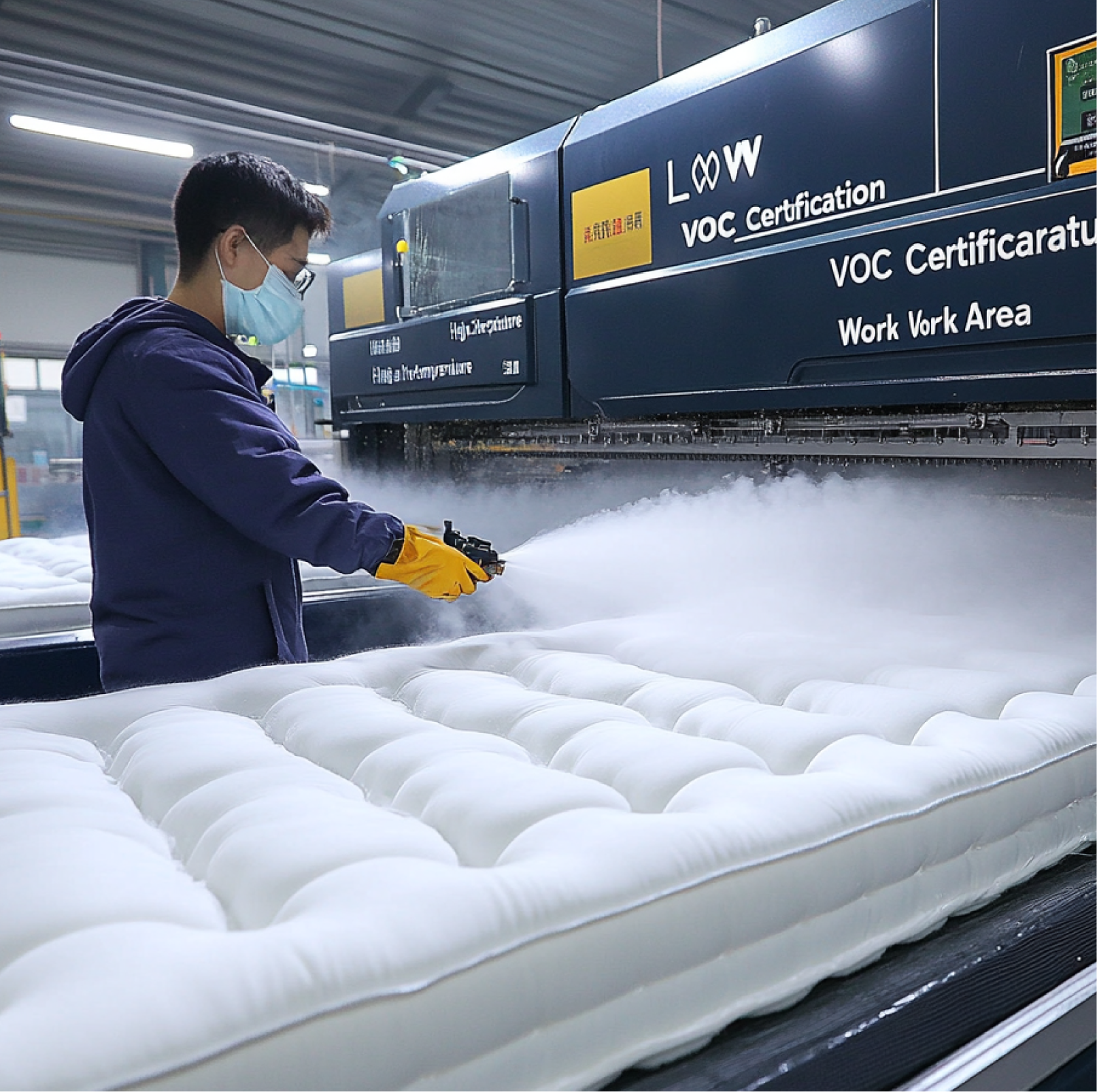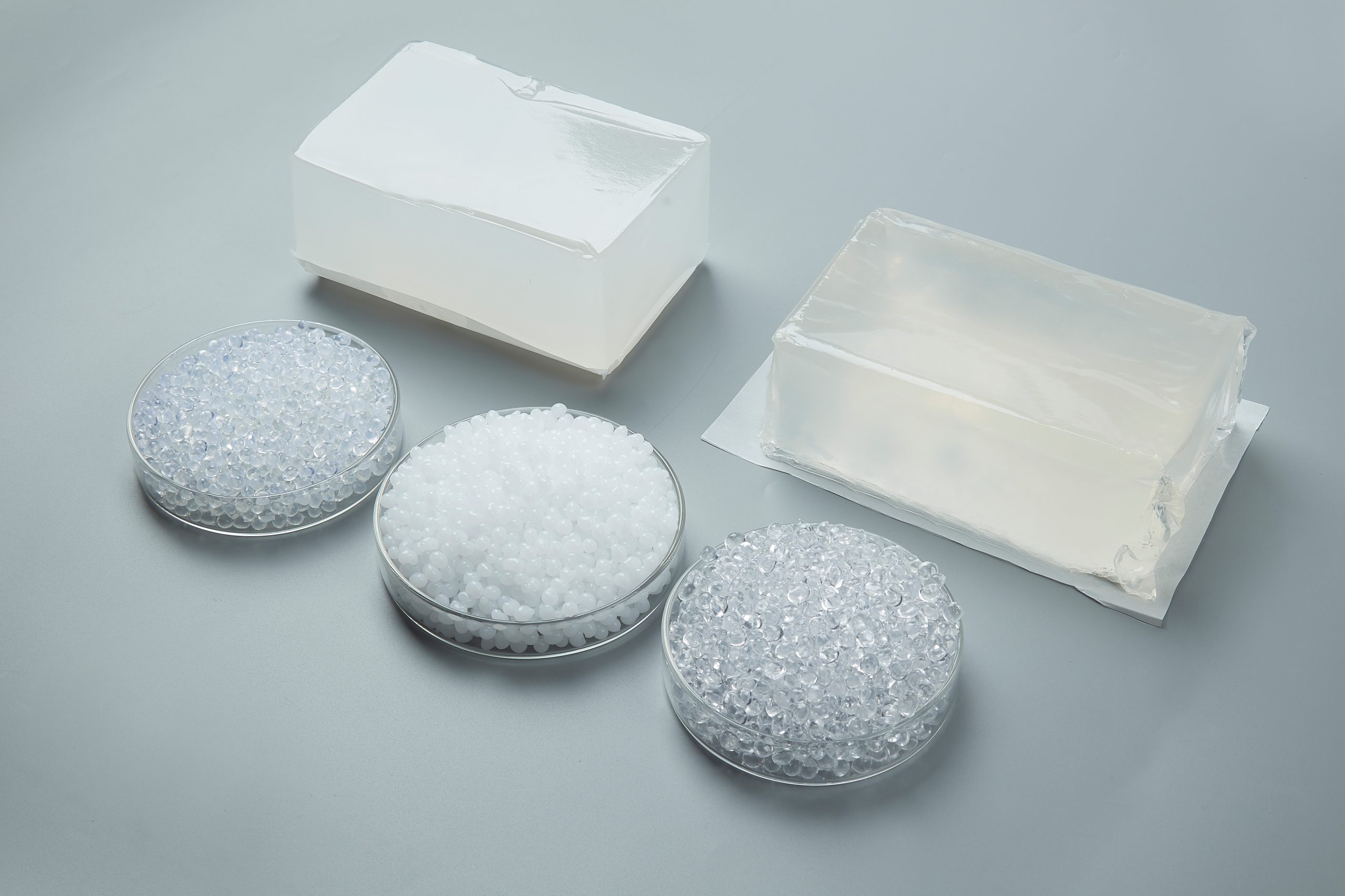
When production engineers evaluate polyolefin hot melt adhesive against conventional EVA-based formulas, the performance gap is hard to ignore. PO hot melt adhesives deliver superior heat resistance, lower application weight, excellent recyclability and outstanding adhesion on difficult substrates — making them the preferred choice for demanding industrial applications in filtration, hygiene, automotive and flexible packaging. This guide covers everything you need to know: molecular structure, key properties, application-by-application benefits and how Devote’s PO adhesive range compares in real production environments.
What Is Polyolefin Hot Melt Adhesive?
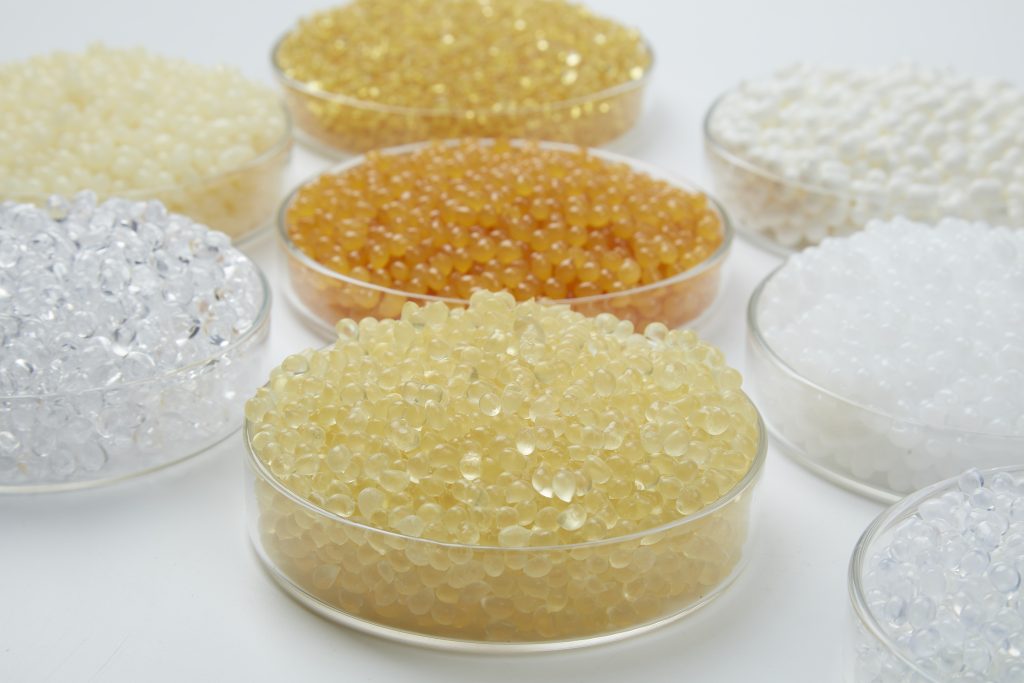
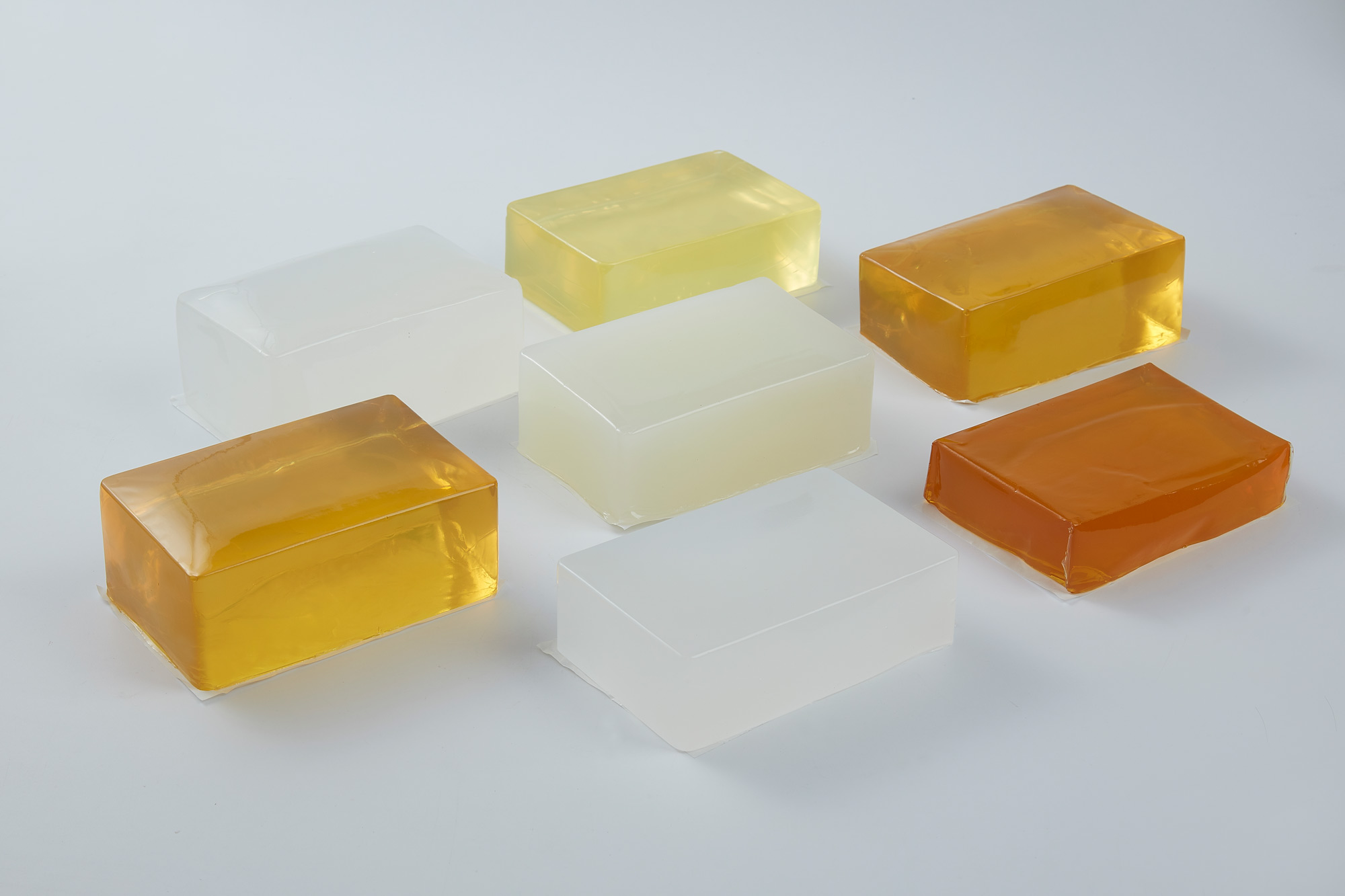
Polyolefin hot melt adhesive — often abbreviated PO HMA — is a thermoplastic adhesive based on amorphous poly-alpha-olefin (APAO) or metallocene-catalyzed polyolefin polymers. Unlike EVA adhesives that use ethylene-vinyl acetate copolymers, PO adhesives are built on a backbone of ethylene, propylene and/or butene monomers with no polar ester groups. The absence of acetate links gives polyolefin hot melt adhesive its defining advantages: enhanced chemical resistance, broader operating temperature range and compatibility with polyolefin substrates that EVA simply cannot bond reliably.
The global PO hot melt adhesive market was valued at approximately USD 1.3 billion in 2024 and is projected to grow at a CAGR of 6.8% through 2030, driven by strict recycling mandates in Europe, rapid expansion of the HEPA filtration segment and increasing demand for low-odor adhesives in hygiene product manufacturing (Source: Adhesives Magazine).
Molecular Structure and Why It Matters
The performance profile of polyolefin hot melt adhesive is rooted in its molecular architecture. APAO polymers are semi-crystalline with controlled levels of tacticity — the spatial arrangement of pendant groups along the polymer chain. By adjusting comonomer ratios and catalyst selection, adhesive chemists can dial in:
- Softening point — typically 90–160 °C depending on grade
- Open time — 5–90 seconds, tunable to production line speed
- Set speed — 0.5–3 seconds, critical for high-speed lines
- Viscosity — 500–8,000 mPa·s at 160 °C, compatible with most hot melt equipment
- Cohesive strength — improved vs. EVA due to higher molecular weight distribution
Metallocene-catalyzed PO grades offer even tighter molecular weight distribution, resulting in lower application temperatures (as low as 130 °C), reduced char formation and excellent clarity in film-to-film bonding applications.
Key Properties: PO vs. EVA Side by Side
The table below compares standard APAO polyolefin hot melt adhesive against a typical EVA hot melt adhesive across the most critical performance criteria for industrial buyers.
| Property | PO Hot Melt Adhesive | EVA Hot Melt Adhesive |
|---|---|---|
| Softening Point (°C) | 100–160 | 70–110 |
| Application Temperature (°C) | 130–180 | 160–200 |
| Heat Resistance (°C, in-service) | Up to 100–120 | Up to 60–80 |
| Low-Temperature Flexibility (°C) | Down to −40 | Down to −10 to −20 |
| Odor Level | Very Low / None | Moderate (acetic acid note) |
| Recyclability | Excellent (polyolefin-compatible) | Limited (ester group interference) |
| Adhesion on PP/PE | Excellent | Poor to Moderate |
| Char / Degradation Risk | Low | Moderate to High |
| Typical Application Weight | 5–15 g/m² | 8–25 g/m² |
| Cost per Bond (Comparative) | Lower (less waste) | Higher (more adhesive needed) |
Top Industrial Applications of Polyolefin Hot Melt Adhesive
1. Filtration Industry — Pleating, End-Cap Sealing and Frame Bonding
Filtration is one of the fastest-growing end markets for polyolefin hot melt adhesive. HEPA, ULPA and automotive cabin filters demand adhesives that maintain bond integrity across repeated thermal cycling (−20 °C to +120 °C), resist moisture and do not off-gas volatile compounds that could contaminate filtered airstreams.
PO hot melt adhesive — particularly low-viscosity APAO grades — is ideal for pleat tip bonding on melt-blown and glass fiber media, end-cap potting on round air filters, and bonding filter media to polypropylene or polyester frames. Devote’s filtration-grade PO adhesives meet EN ISO 846 mold resistance and carry low VOC content verification per EN ISO 11890-2, making them compliant with automotive OEM specifications including BMW GS 97048 and VW TL 52435.
2. Hygiene Products — Elastic Attachment and Layer Lamination
Baby diapers, adult incontinence products and feminine care items require adhesives that bond at high line speeds (up to 800 m/min), apply at low add-on weights (under 8 g/m²), remain skin-safe and do not yellow or emit odor against the wearer’s skin.
PO hot melt adhesive with low application temperature (130–150 °C) excels in elastic strand attachment, core wrap lamination and backsheet-to-topsheet bonding. The non-polar backbone ensures no residual acetic acid odor — a recognized quality complaint with EVA-based hygiene adhesives at elevated processing temperatures.
3. Flexible Packaging — Recyclable Lamination
Polyolefin substrates — PE, PP, BOPP and CPP films — dominate flexible packaging. Traditional solvent-based and EVA lamination adhesives create mixed-material constructions that fail APR and RecyClass recyclability protocols. PO hot melt adhesive bonded PP-to-PP or PE-to-PE laminates are fully compatible with polyolefin recycling streams. The EU Packaging and Packaging Waste Regulation (PPWR, effective 2030) makes this capability strategically critical for brand owners.
4. Automotive Components — Under-Hood Heat Zones
Standard EVA adhesive softens above 80 °C, making it unsuitable for under-hood and engine-compartment components. High-softening-point APAO grades (140–160 °C) handle cabin air filter bonding, wire harness bundling and acoustic padding attachment in engine bays, meeting continuous service temperatures up to 120 °C with no creep under mechanical load.
5. Furniture and Panel Lamination — Edge Banding on Polyolefin Films
As furniture manufacturers shift from PVC edge banding to PP and PE films for recyclability, PO hot melt adhesive provides the required adhesion to polyolefin surfaces that EVA cannot deliver. PO adhesives bond cleanly at standard edge banding line temperatures and withstand kitchen and bathroom humidity environments without delamination.
Devote’s Polyolefin Hot Melt Adhesive Product Range
Devote, based in Shenzhen, manufactures a focused range of APAO and metallocene PO hot melt adhesives for industrial customers. Key grades include:
| Grade | Viscosity (mPa·s / 160 °C) | Softening Point (°C) | Open Time (s) | Primary Application |
|---|---|---|---|---|
| DV-PO-8088 | 1,000 ± 300 | ~105 | 45–55 | Filtration: pleat tip bonding, end-cap sealing |
| DV-PO-LV | 500 ± 150 | ~95 | 20–30 | Hygiene: elastic attachment, high-speed lines |
| DV-PO-HS | 3,500 ± 500 | ~135 | 60–80 | Automotive: end-cap, under-hood bonding |
| DV-PO-PKG | 2,000 ± 400 | ~115 | 35–50 | Packaging: PP/PE recyclable lamination |
All grades are supplied in 25 kg kraft paper bags, with MOQ 1,000 kg (FOB Yantian). Custom formulations and private label packaging are available. Devote maintains ISO 9001:2015 quality management certification and provides full lot traceability documentation for each shipment.
Learn more about specific application solutions on our Applications page or request a technical data sheet via our Contact page.
Why Manufacturers Switch from EVA to PO
The shift from EVA to polyolefin hot melt adhesive is driven by three converging pressures:
- Regulatory pressure on recyclability — EU PPWR, REACH and end-of-life vehicle directives increasingly require mono-material or recyclable-compatible constructions. EVA’s ester groups disrupt polyolefin recycling streams; PO adhesives do not.
- Higher product quality expectations — Automotive OEMs, hygiene brand owners and air quality filter manufacturers demand zero odor, zero char and performance above 80 °C. EVA formulations struggle on all three counts.
- Total cost of ownership — Although PO resin is priced 10–20% higher than EVA per kilogram, lower application weights (typically 30–40% less adhesive per bond) and reduced downtime from char cleaning result in net savings of 15–25% per million units in most production environments.
Frequently Asked Questions about Polyolefin Hot Melt Adhesive
Q1: Can polyolefin hot melt adhesive be used in standard EVA hot melt equipment?
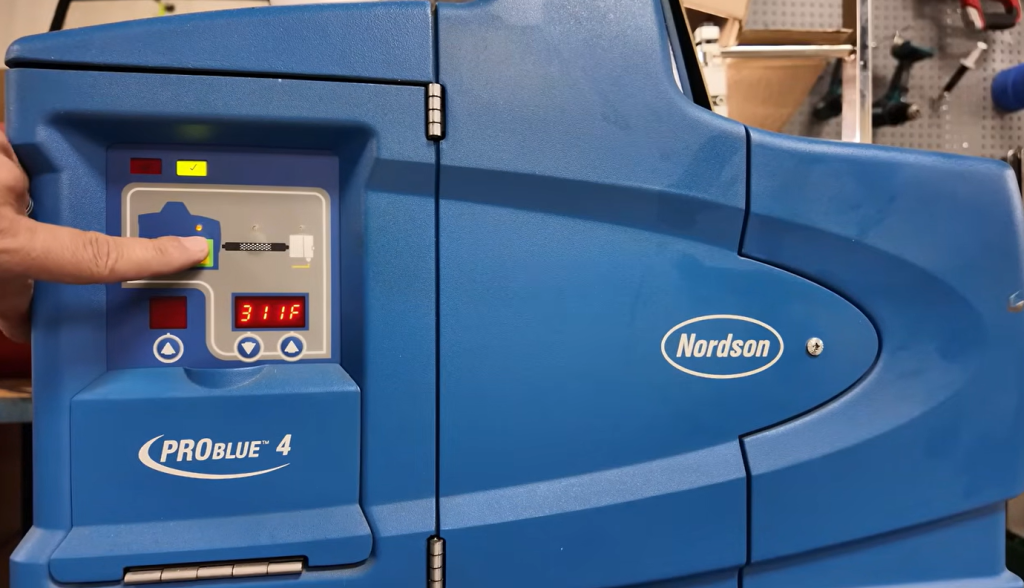
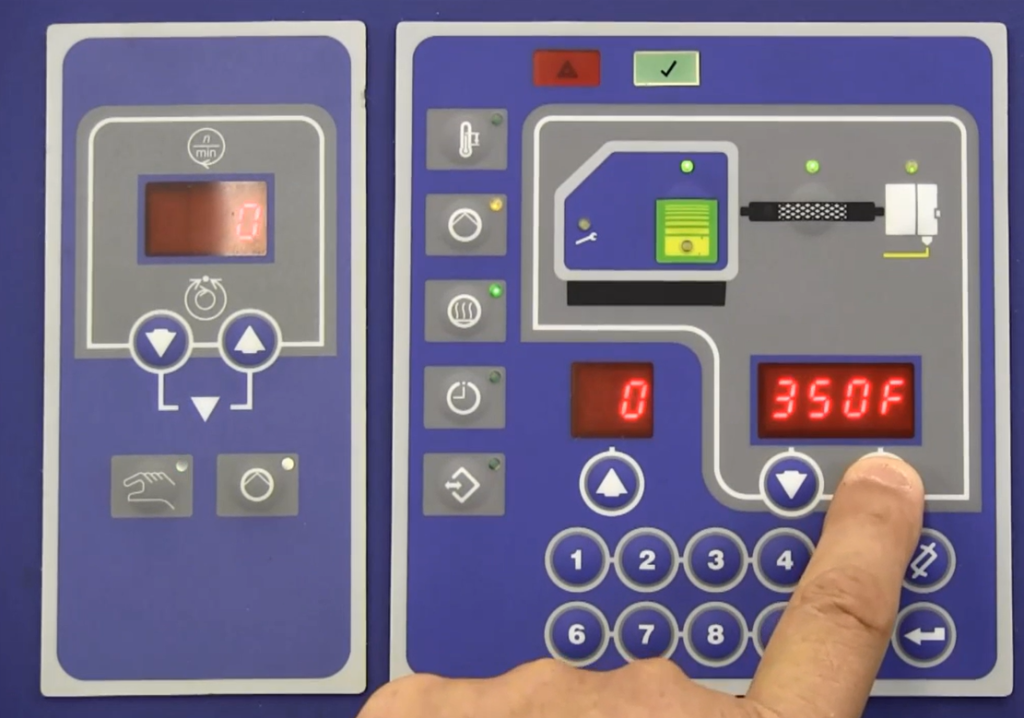
Yes, in most cases. APAO PO adhesives have similar melt viscosities to EVA and are compatible with tank-and-gun and drum melter equipment. However, if your current EVA grade runs at 180–200 °C, PO adhesives often allow you to reduce application temperature to 150–170 °C, which extends nozzle and hose life. Always flush the system with a compatible purge adhesive when switching chemistry to prevent cross-contamination.
Q2: What substrates does polyolefin hot melt adhesive bond best?
PO hot melt adhesive excels on non-polar polyolefin substrates: polypropylene (PP), polyethylene (PE), BOPP film and CPP film. It also bonds well to melt-blown filter media, spunbond nonwoven, kraft paper and many coated surfaces. Adhesion to metals, glass or highly polar substrates (like PET film) is limited — for those applications, polyamide (PA) or PES adhesives are more suitable.
Q3: How does polyolefin hot melt adhesive compare to PUR reactive hot melt in high-temperature applications?
PUR (polyurethane reactive) hot melt adhesive achieves the highest heat resistance — up to 140–160 °C after full moisture cure — and provides superior chemical resistance for applications in direct contact with oils, fuels or solvents. APAO polyolefin hot melt adhesive is the better choice when continuous service temperature stays below 120 °C, open systems are preferred (PUR requires sealed equipment), or recycling compatibility is needed. PO also has significantly lower equipment requirements and no pot-life constraints compared to PUR.
Get Expert Guidance from Devote
Selecting the right polyolefin hot melt adhesive grade requires matching viscosity, open time and softening point to your specific substrate, line speed and service environment. Devote’s technical team has worked with filtration manufacturers, hygiene converters and automotive suppliers across Europe, Asia and South America to specify the right PO adhesive for each application — often reducing adhesive spend while improving bond performance.
Ready to upgrade to polyolefin hot melt technology? Contact Devote today for a free technical consultation, product samples and a competitive FOB quotation. Our team typically responds within one business day.