Understanding Hot Melt Adhesive Open Time: What It Is and Why It Matters
When industrial buyers evaluate hot melt adhesive formulations, open time is one of the most consequential — and most misunderstood — technical parameters. An adhesive with the wrong open time for your production process can produce intermittent bond failures, warped assemblies, or line stoppages that cost far more than the adhesive itself. This guide explains what open time means, how it interacts with other application parameters, and how to specify the right open time for your specific process.
What Is Open Time in Hot Melt Adhesives?
Open time — sometimes called open working time or open assembly time — is the period between applying molten hot melt adhesive to a substrate and bringing the second substrate into contact with the first. During this window, the adhesive remains sufficiently fluid and tacky to form a bond when the substrates are assembled. Once the open time window has passed, the adhesive surface cools below its activation temperature and the bond cannot form without re-heating.
Open time is distinct from set time. Set time measures how long it takes after assembly for the bond to develop sufficient strength to hold under load — typically measured in seconds or minutes. Open time is about the window before assembly, and it is typically measured in seconds for high-speed applications. Confusing these two parameters is one of the most common sources of adhesive specification errors.
For example, a slot-die coating line running at 200 m/min on a cardboard lamination application might require an open time of 0.5 seconds or less, because substrates pass through the nip roll almost immediately after coating. A manual foam-in-place insulation panel assembly, by contrast, might need an open time of 30–60 seconds to allow a worker to position the panel before closing the bond. Selecting an adhesive for the wrong speed profile causes either premature set (before assembly) or insufficient open time (forcing assembly after the adhesive has already cooled).
Key Factors That Determine Open Time
Open time is not a fixed material property — it is the product of adhesive formulation, application temperature, substrate properties, ambient conditions, and line configuration. Understanding each factor allows engineers to select and specify adhesive grades with appropriate open time windows, and to design processes that stay within those windows.
Adhesive Formulation Chemistry
The base polymer system in a hot melt adhesive has the strongest effect on open time. Ethylene-vinyl acetate (EVA) copolymers offer mid-range open times, typically 5–30 seconds at standard application temperatures. Polyolefin (PO) formulations tend toward shorter open times due to their lower surface tension and faster wetting behavior. Polyamide (PA) hot melts, designed for high-temperature service, have shorter open times as a consequence of their higher melt viscosity. Pressure-sensitive adhesive (PSA) hot melts, by design, have very long or effectively infinite open times because they remain permanently tacky at service temperature.
Within each chemistry family, formulators adjust open time through tackifier selection, plasticizer content, and wax additives. A higher wax content increases open time by reducing the rate of surface cooling. A higher tackifier content generally reduces open time by accelerating surface tack development. Understanding these formulation levers allows adhesive suppliers like Devote to fine-tune grades for specific application requirements.
Application Temperature
The application temperature determines the adhesive’s viscosity at the point of deposition. Higher application temperatures reduce viscosity, allowing the adhesive to wet out more completely on porous substrates. However, higher temperature also means a longer cooling curve — potentially extending open time — while simultaneously accelerating the cooling rate due to a larger temperature differential with the ambient substrate. In practice, operators must stay within the adhesive’s recommended application temperature range, as temperatures below the minimum cause excessive viscosity and poor wetting, while temperatures above the maximum cause thermal degradation and char formation.
Substrate Properties and Ambient Conditions
Substrates with high thermal mass — thick aluminum panels, dense hardwoods, or thick gauged plastics — draw heat from the adhesive film more rapidly than thin or insulating substrates. A thick metal substrate can reduce effective open time by 30–50% compared to a thin-film substrate, because the substrate surface temperature at the bondline drops faster. Ambient temperature and air circulation in the production environment also play a significant role: a cold factory floor or forced-air ventilation can reduce open time substantially.
Humidity has a limited effect on hot melt open time for most formulations, but for substrates with high moisture content (green timber, certain paper grades, hygroscopic foams), moisture at the bondline can reduce effective open time by disrupting adhesive wetting. Checking substrate moisture content before assembly is a best practice for consistent bonding on sensitive materials.
Measuring Open Time in Practice
There is no single universal test method for open time, which complicates specification and comparison between adhesive grades. The most widely referenced approach is the substrate-specific open time test: apply adhesive to the actual production substrate under production conditions, then vary the delay time before pressing the second substrate. Record the maximum delay at which an acceptable bond forms (typically assessed by peel test). This test accounts for all the real-world factors — substrate thermal mass, surface energy, ambient temperature — that generic laboratory measurements cannot capture.
For procurement teams specifying adhesive open time requirements, the critical output is the maximum admissible open time under production conditions, expressed in seconds or minutes. This value then drives the maximum line speed or maximum distance between application nozzle and assembly nip that the process can accommodate. Devote’s technical service team conducts open time characterization as part of adhesive qualification, using customer-supplied substrates and production parameters to generate data that translates directly to process specification.
Selecting the Right Open Time for Your Application
The right open time is the one that matches your process geometry and speed. For automated high-speed lines, target open time no more than 20% longer than your calculated gap time — the time between adhesive application and assembly nip. This provides a safety margin without compromising bond quality. For manual assembly operations, specify open time at least 2–3 times the estimated assembly handling time to account for worker variability.
- High-speed carton sealing (100–300 m/min): Open time 0.3–1.5 seconds. PO or low-viscosity EVA formulations recommended.
- Medium-speed woodworking lamination (20–80 m/min): Open time 3–10 seconds. Standard EVA or PO formulations with appropriate viscosity.
- Manual panel assembly: Open time 15–45 seconds. Higher-tackifier EVA or SBC formulations with extended open time additives.
- Continuous bead applications (foil lamination, filter assembly): Open time 1–5 seconds. Application viscosity and substrate surface energy are the primary selection criteria.
Devote’s Approach to Open Time Control
Devote engineers each hot melt adhesive grade with specific open time windows calibrated to target application sectors. For manufacturers running high-speed packaging lines, Devote’s fast-set PO grades offer open times below 1 second with excellent heat resistance in the finished package. For woodworking and furniture manufacturers requiring longer assembly windows, Devote’s extended-open-time EVA grades provide 10–30 second open times with consistent bonding on engineered woods and natural timber substrates.
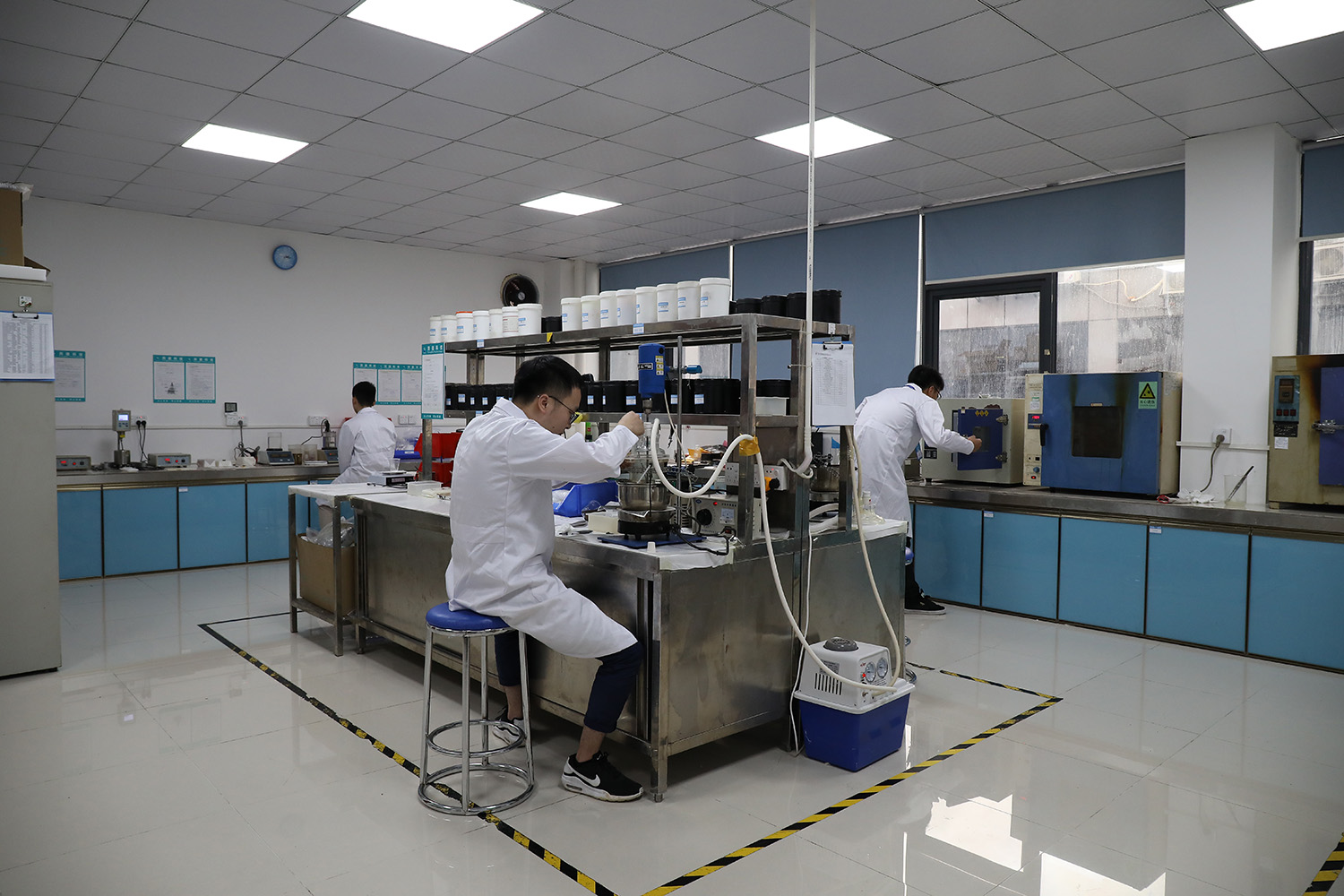
As an ISO 9001-certified manufacturer based in Shenzhen, Devote maintains process documentation for each batch, including viscosity curves, open time characterization on standard substrates, and set time data. For customers with non-standard substrates or process configurations, Devote’s technical team conducts application trials at the customer’s facility, measuring open time under actual production conditions before committing to a grade. Visit the applications page to explore adhesive solutions tailored to your speed profile and assembly geometry.
Frequently Asked Questions
What is the difference between open time and set time in hot melt adhesives?
Open time is the window between applying the adhesive and assembling the substrates — during this period, the adhesive is still fluid enough to wet the second surface and form a bond. Set time is the period after assembly during which the adhesive cools and develops sufficient cohesive strength to hold the bond under load. Open time governs processability; set time governs when the assembled product can be handled or moved. Confusing these two parameters is a common specification error that can lead to either premature bonding before assembly or insufficient bond development after assembly.
Can open time be adjusted after an adhesive is selected?
Open time is primarily determined by the adhesive formulation, so it cannot be changed by adjusting application equipment settings alone. However, process adjustments — such as reducing application temperature (within the adhesive’s specified range), pre-heating substrates, or reducing ambient air circulation — can extend effective open time somewhat. If the required open time is significantly shorter or longer than a selected grade provides, changing to a different adhesive formulation is the more reliable solution. Devote’s technical team can identify alternative grades or custom formulations to match specific open time requirements.
How does open time affect hot melt adhesive choice for filter manufacturing?
Filter assembly typically requires short open times (1–5 seconds) due to high-speed pleating and lamination lines. The adhesive must wet out rapidly on filter media substrates — which are often cellulose, synthetic nonwovens, or glass fiber — while also tolerating the thermal mass of metal or plastic filter frame components. Devote’s filtration-grade hot melt formulations are specifically engineered for this combination of short open time and consistent bond formation on high-mass substrates, with PE and PO base chemistries providing the appropriate viscosity and wetting behavior for filter media lamination.
Does open time vary between EVA, PO, and PA hot melt adhesive chemistries?
Yes. EVA hot melt adhesives offer the broadest range of open times, from approximately 5 to 45 seconds depending on vinyl acetate content, wax addition, and formulation design. Polyolefin (PO) hot melt adhesives generally provide shorter open times, typically 1–10 seconds, making them well-suited to high-speed packaging and filtration applications. Polyamide (PA) hot melts offer the shortest open times — often under 5 seconds — due to their higher melt viscosity and higher service temperature requirements, but they compensate with superior heat and chemical resistance in the finished bond. Choosing the right chemistry begins with characterizing the required open time under actual production conditions, then matching it to formulations within each chemistry family.
Partner with Devote for Adhesive Selection Support
Selecting the right hot melt adhesive — with the correct open time, set speed, viscosity, and substrate compatibility — requires matching formulation properties to process parameters. Devote’s technical team supports customers across Asia, Europe, and the Middle East in adhesive qualification, including on-site open time characterization, substrate compatibility testing, and application trials on production lines.
Whether you are specifying adhesive for a new production line, troubleshooting bond failures on an existing process, or qualifying a second-source supplier, contact Devote to discuss your requirements. Our team typically responds within one business day and can arrange sample shipments and technical documentation for evaluation.
Contact Devote today to speak with a technical adhesive specialist.