What Is Hot Melt Adhesive? A Complete Guide for Industrial Buyers
If you have ever wondered what is hot melt adhesive and why so many industries rely on it, you are not alone. Hot melt adhesive (HMA) is one of the most widely used bonding materials in modern manufacturing — from automotive filters and furniture edge banding to hygiene products and food packaging. In 2024, the global hot melt adhesive market was valued at approximately USD 8.6 billion and is projected to grow at a CAGR of 5.1% through 2030, driven by demand for faster production lines, cleaner factories, and environmentally responsible bonding solutions. This guide explains everything industrial buyers need to know: what HMA is, how it works, the main product types, and how to choose the right grade for your application.
What Is Hot Melt Adhesive? — Definition and Core Principles
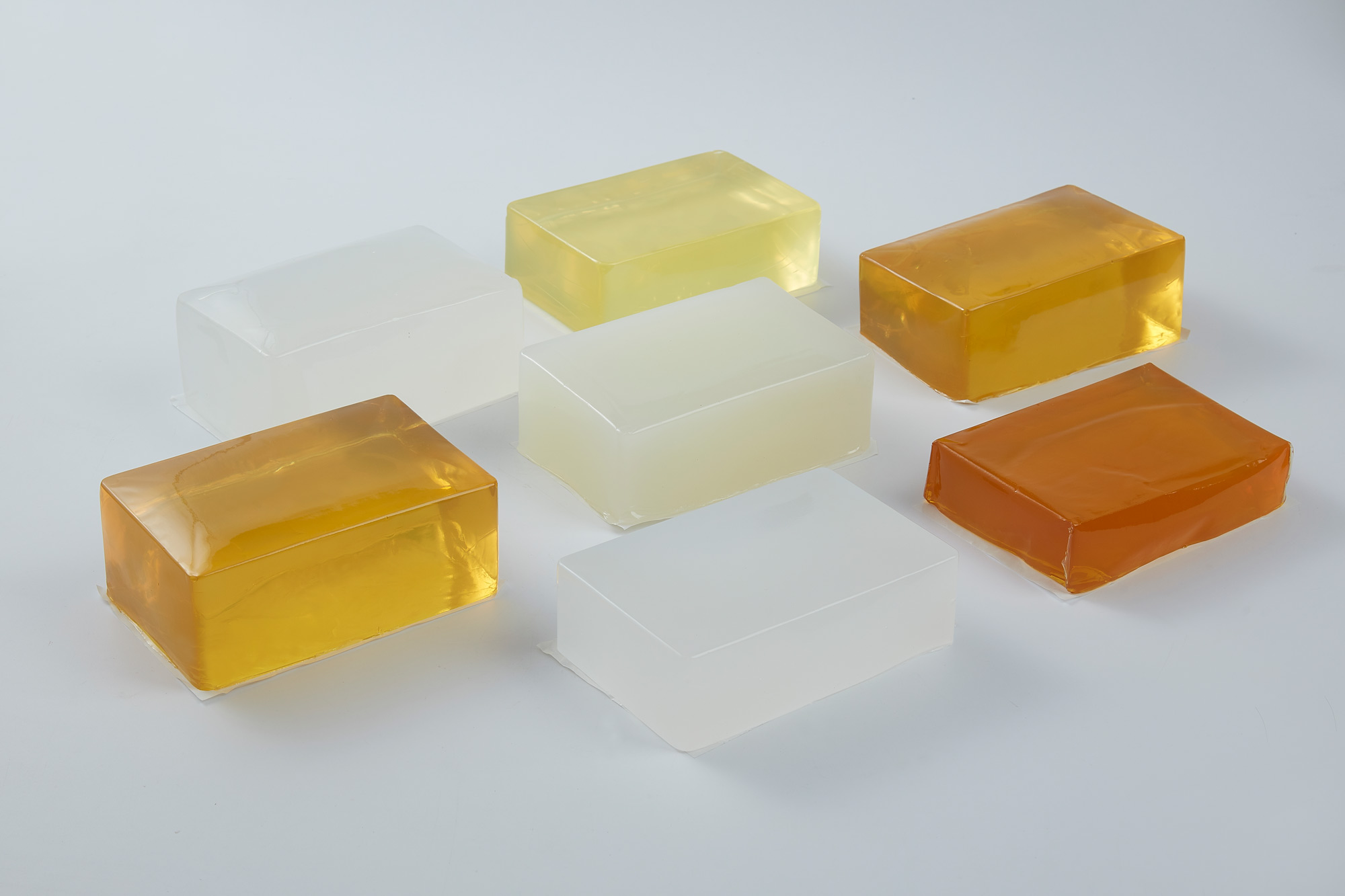
Hot melt adhesive is a 100% solid, thermoplastic bonding material that is applied in a molten state and forms a bond as it cools and solidifies — no water, solvents, or curing agents required. Unlike water-based or solvent-based adhesives, HMA reaches handling strength within seconds, making it ideal for high-speed automated production lines.
The basic mechanism is straightforward:
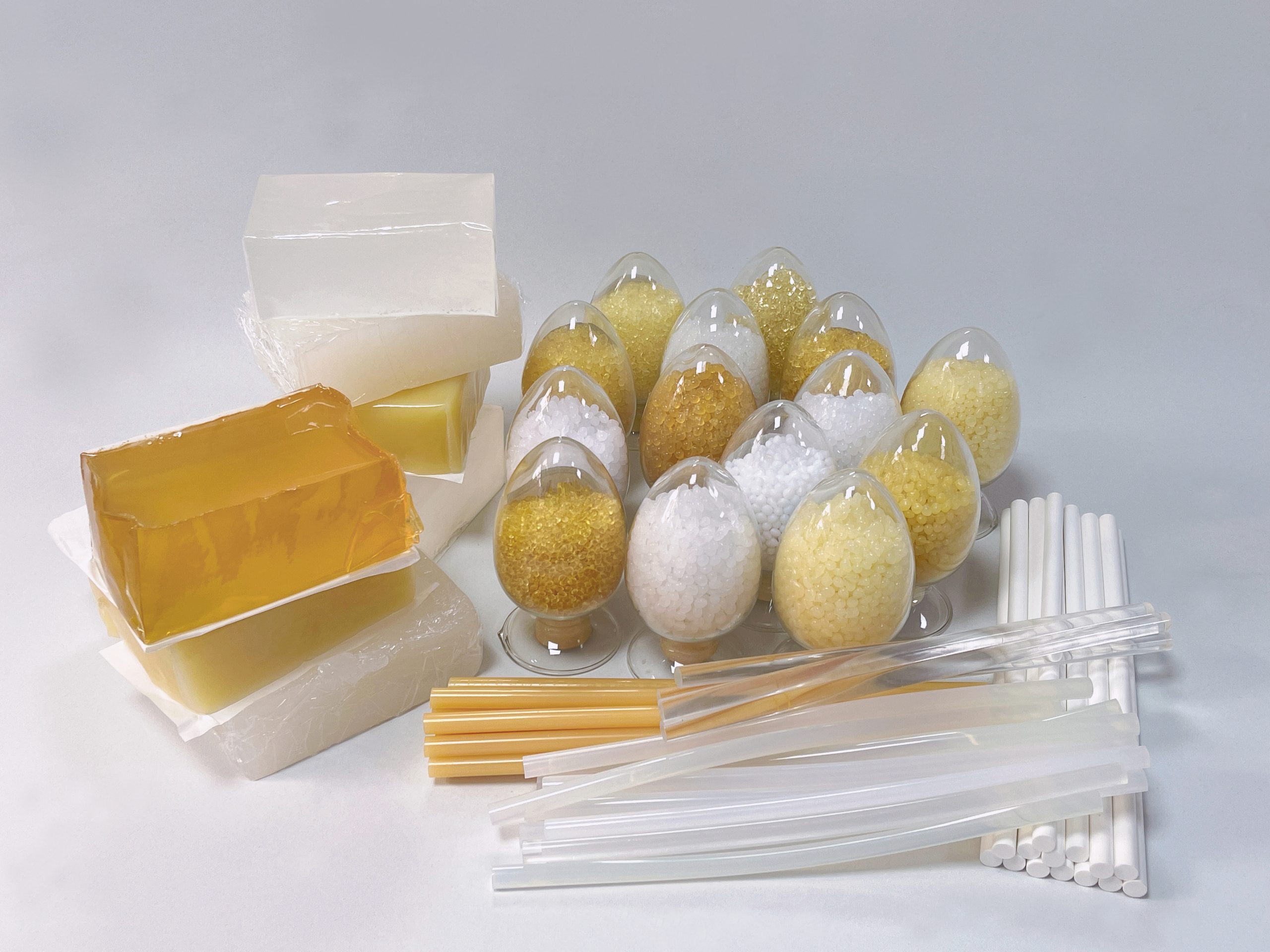
- Melt: Solid adhesive pellets, blocks, or sticks are heated in an applicator to 120–220 °C, depending on the product type.
- Apply: Molten adhesive is dispensed onto the substrate via bead, slot die, or spiral spray nozzle.
- Bond: A second substrate is pressed against the adhesive within the open time (typically 3–60 seconds).
- Set: As the adhesive cools, it crystallizes or solidifies, creating a strong, durable bond in seconds.
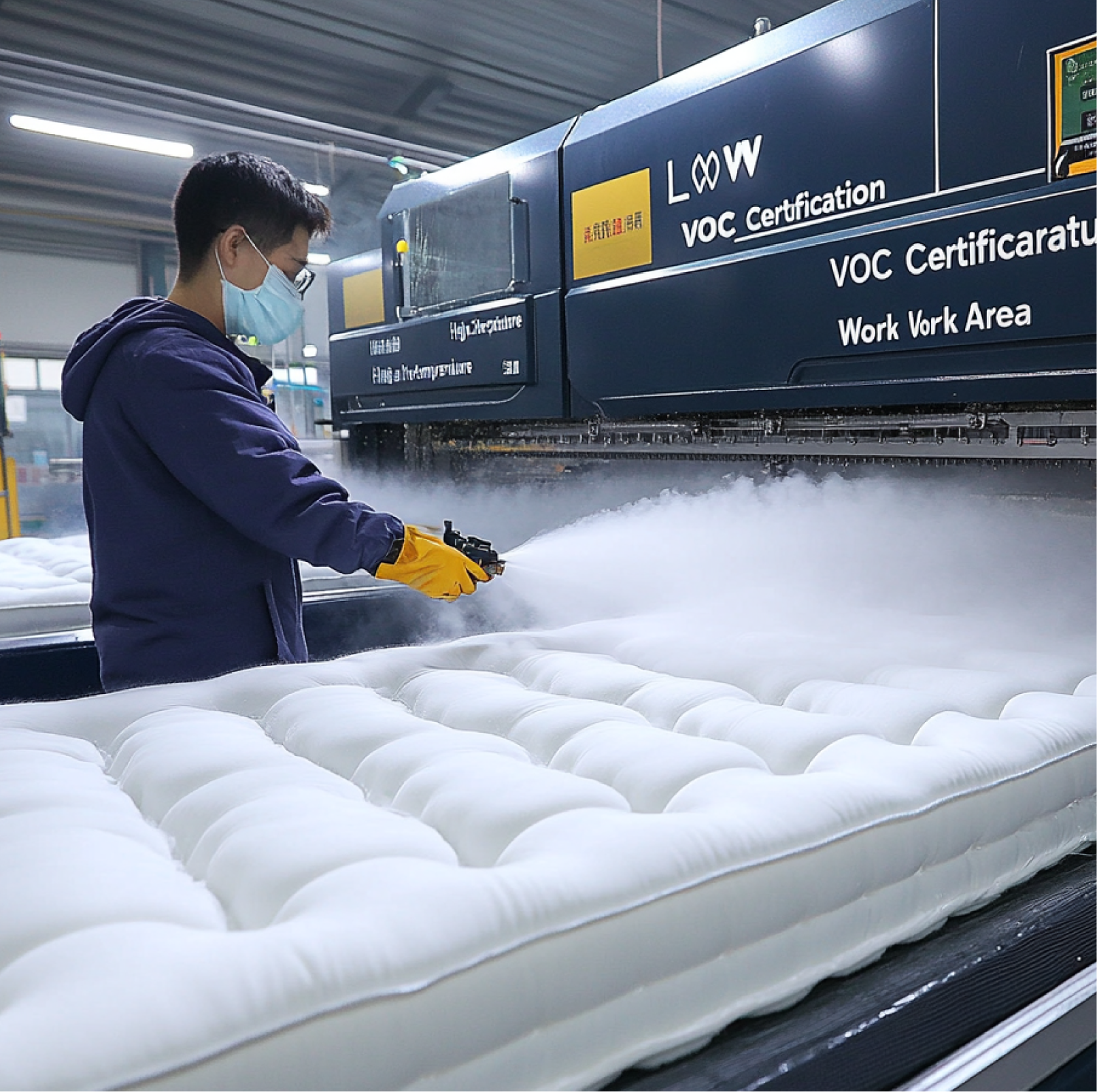
Because no volatile organic compounds (VOCs) are emitted during application, hot melt adhesives comply with increasingly strict environmental regulations, including EU REACH and EPA air quality standards.
Main Types of Hot Melt Adhesive Explained
Not all hot melt adhesives are equal. Each polymer base delivers a distinct performance profile. Here is a practical breakdown of the five most important types used in industrial manufacturing:
| Type | Polymer Base | Typical Service Temp. | Key Advantage | Common Applications |
|---|---|---|---|---|
| EVA | Ethylene-vinyl acetate | Up to 60 °C | Cost-effective, versatile | Packaging, bookbinding, general assembly |
| PO (Polyolefin) | Metallocene polyolefin | Up to 80–100 °C | Low odor, recyclable, heat resistant | Hygiene products, filtration, sustainable packaging |
| PA (Polyamide) | Polyamide resin | Up to 160 °C | Exceptional heat & chemical resistance | Automotive parts, electronics, industrial filters |
| PES (Polyester) | Thermoplastic polyester | Up to 130 °C | Excellent wash resistance | Textiles, footwear, technical fabrics |
| PSA (Pressure Sensitive) | SBC / acrylic blend | -40 °C to +80 °C | Repositionable, instant tack | Labels, hygiene elastics, medical tapes |
EVA hot melt adhesive remains the most widely used type globally due to its low cost and broad substrate compatibility. However, PO (polyolefin) adhesive is rapidly gaining share in segments that demand low odor, recyclability, and higher heat resistance — particularly hygiene products and sustainable packaging.
Key Advantages of Hot Melt Adhesive Over Alternatives
Industrial buyers switching from solvent-based or water-based adhesives to hot melt typically report the following benefits:
- Fast set time: Bond strength is achieved in seconds rather than minutes or hours, enabling conveyor speeds of 100+ meters per minute.
- No drying ovens: Eliminating solvent evaporation stages reduces energy consumption by 30–50% in comparable production lines.
- Zero VOC emissions: Safe for operators and compliant with EPA Method 24 and EU Directive 2004/42/CE.
- Excellent substrate versatility: Bonds to paper, cardboard, polyolefin films, textiles, metals, wood composites, and more.
- Long shelf life: Properly stored hot melt adhesive retains full performance for 12–24 months, reducing waste.
- Thermoplastic reworkability: Unlike cured thermoset adhesives, HMA can be remelted, enabling product disassembly and recycling.
Industrial Applications: Where Hot Melt Adhesive Is Used
The versatility of hot melt adhesive is evident in the sheer range of industries that depend on it daily:
Filtration: Pleated HEPA, automotive cabin, and industrial air filters use PA or PO hot melt to bond filter media, end caps, and frames. High heat resistance and consistent bead geometry are critical.
Hygiene products: Diapers, adult incontinence pads, and sanitary napkins use SBC- or PO-based PSA to attach elastic strands and bond nonwoven layers at speeds exceeding 800 m/min.
Furniture and woodworking: Edge banding machines apply EVA or PO hot melt at 120–200 °C to bond ABS, PVC, and wood veneer edge strips to MDF panels.
Automotive: Interior trim, door panels, HVAC filter assemblies, and wire harness taping all rely on PA or PO hot melt for heat and vibration resistance.
Packaging: Carton sealing, case sealing, and tray forming in food and consumer goods packaging use EVA hot melt for reliable bonds at ambient and chilled temperatures.
Textiles and footwear: PES and PA hot melts offer superior wash resistance for bonded seams, interlinings, and shoe sole assembly without visible stitching.
Industrial Buyer’s Guide: How to Select the Right Hot Melt Adhesive
Choosing the correct hot melt adhesive grade is not simply a matter of picking the cheapest option. The following five criteria will guide your sourcing decision:
- Substrate compatibility: Confirm that the adhesive bonds adequately to both surfaces — for example, PO films require a metallocene PO adhesive for optimal adhesion, while metal or engineering plastics may need a PA grade.
- Service temperature range: Identify the maximum in-use temperature your assembly will face. Under-hood automotive parts routinely reach 120–140 °C; standard EVA adhesive would fail. Choose PA or high-softening-point PO.
- Open time and line speed: Match the adhesive’s open time (the window between application and press-nip) to your production speed. Faster lines need shorter open times (3–8 seconds); manual assembly needs longer open times (15–40 seconds).
- Viscosity and equipment compatibility: Check the melt viscosity (mPa·s at application temperature) against your dispensing equipment specification. Mismatched viscosity leads to stringing, nozzle blockage, or poor coverage.
- Regulatory and sustainability requirements: For products sold in the EU or North America, verify REACH compliance, food-contact approval (if applicable), and recyclability claims. PO-based adhesives are generally preferred for sustainable packaging.
For a deeper comparison of the two most common industrial grades, see our article on EVA vs PO adhesive applications, or contact Devote’s technical team for a free product recommendation.
Frequently Asked Questions (FAQ)
What is the difference between hot melt adhesive and regular glue?
Regular water-based or solvent-based glues contain carriers (water or solvents) that must evaporate before the bond sets, taking minutes to hours. Hot melt adhesive is 100% solid — there is nothing to evaporate. It sets in seconds as it cools, making it far faster for high-volume industrial production and eliminating VOC emissions entirely.
Is hot melt adhesive waterproof?
Most hot melt adhesives offer good water resistance once set, because they are thermoplastic materials that do not dissolve in water. However, resistance varies by type: PES and PA grades provide excellent wash resistance (important for textile and footwear applications), while standard EVA may soften slightly under prolonged immersion. For outdoor or high-humidity applications, specify a PO or PA grade and request test data from your supplier.
How long does hot melt adhesive last once applied?
A properly formulated and correctly applied hot melt bond is designed to last the lifetime of the product — often 5–25 years depending on the application. Degradation is typically caused by prolonged UV exposure, extreme temperature cycling beyond the adhesive’s service range, or chemical contact. If longevity is a concern, request aging test data (thermal aging at 100 °C / 500 h, UV exposure per ISO 4892) from your adhesive supplier before committing to a grade.
Ready to Find the Right Hot Melt Adhesive for Your Production Line?
Devote is a Shenzhen-based manufacturer specializing in eco-friendly EVA, PO, PA, PES, and PSA hot melt adhesives — ISO 9001 and IATF 16949 certified, with zero VOC formulations and full REACH compliance. Whether you need a standard grade or a custom formulation for a demanding application, our technical team can help you select or develop the optimal product.