

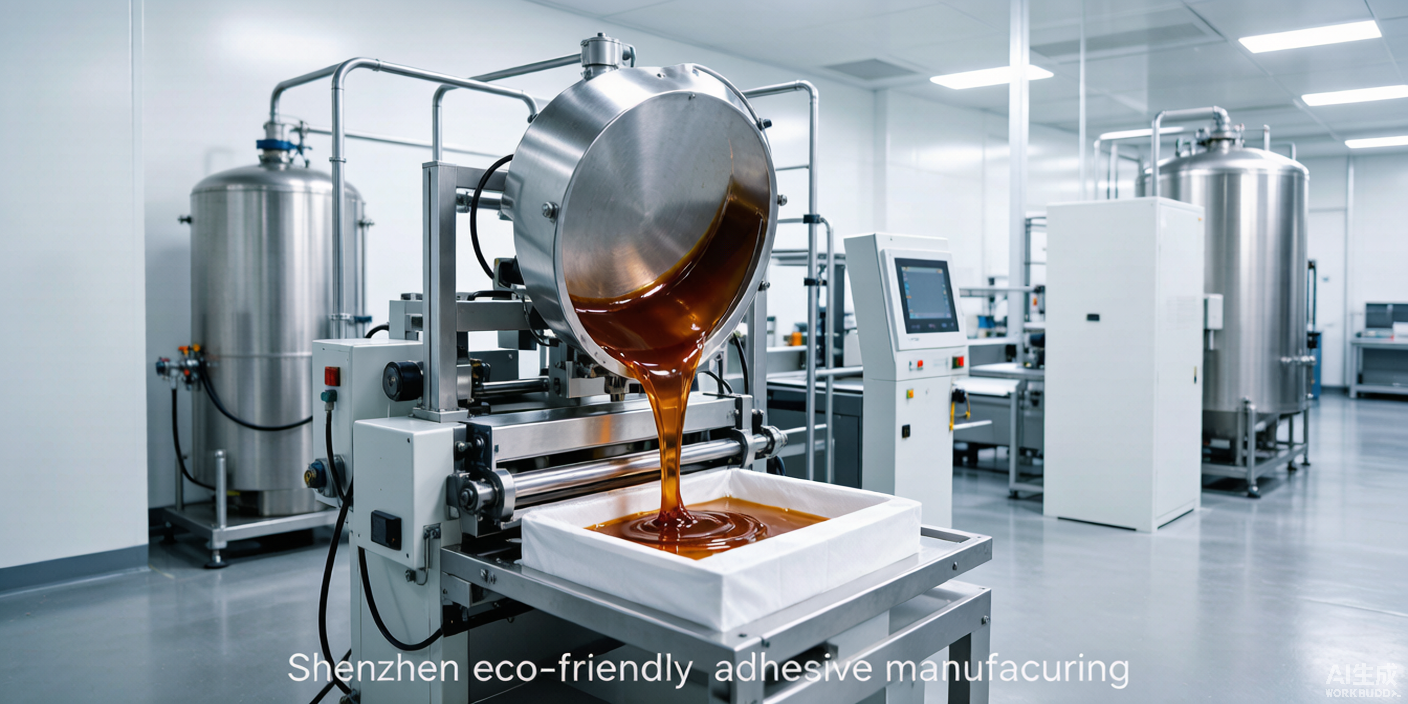
Cutting the cost of hot melt adhesive production is one of the fastest ways to improve margin in filtration, automotive, packaging, and hygiene manufacturing. The good news is you rarely need to switch materials or buy new lines to reduce hot melt adhesive cost meaningfully. Most savings come from tighter application control, better equipment uptime, and smarter formulation and sourcing decisions. This guide walks through six proven levers that protect bond quality while lowering cost per meter.
Understanding the Hot Melt Adhesive Cost Drivers in Production
Before you can reduce hot melt adhesive cost, you need to see where the money actually goes. Across typical assembly lines, adhesive spend splits into a few predictable buckets:
- Material volume per unit — the single largest variable, often 50–65% of total adhesive cost.
- Application waste — overspray, stringing, purge loss, and rework from inconsistent beads.
- Energy — melting and holding tanks consume 1.5–4 kW depending on tank size and idle time.
- Downtime — clogged nozzles and charred tanks that stop the line.
- Over-specification — paying for a grade stronger than the bond actually requires.
A 2023 industry benchmark from the Adhesive and Sealant Council suggests that well-run plants lose 8–12% of adhesive to avoidable waste. Closing that gap is usually a bigger win than negotiating price per kilogram.
Optimizing Application Weight to Reduce Hot Melt Adhesive Cost
The most reliable way to reduce hot melt adhesive cost production overhead is to apply only what the joint needs. Plants that move from manual bead control to calibrated application typically cut usage 10–20% with no change in bond strength.
- Audit the bead — measure grams per meter with a scale and section cuts; most lines run 15–30% above the true minimum.
- Tighten the nozzle — match orifice size to line speed; a smaller, well-maintained nozzle reduces stringing.
- Switch to slot or roller coating where geometry allows; film application uses up to 25% less adhesive than dots for flat substrates.
- Set closed-loop control — weight sensors and vision checks flag drift before it becomes scrap.
Keep a test panel after every change. Bond quality should be verified by peel or shear test, not by eye, so the lower weight is documented as safe.
Improving Equipment Efficiency to Lower Hot Melt Adhesive Cost
Equipment efficiency directly affects how much adhesive you burn through, literally and figuratively. Three fixes pay back in weeks:
- Lower holding temperature — every 10°C above the minimum melt point raises energy use ~6% and accelerates char. Hold at the lowest stable temperature.
- Right-size the tank — oversized tanks purge and re-melt more often; match tank volume to real throughput.
- Preventive maintenance — a weekly nozzle and filter clean cuts unplanned stops that waste purge adhesive.
One packaging plant we supported cut adhesive-related downtime from 4.2% to 1.1% of runtime in a quarter simply by scheduling filter changes and recalibrating tank setpoints. The adhesive grade never changed.
Formulation Optimization for Cost and Performance
Not every joint needs a premium grade. Formulation optimization means matching the polymer system to the real load, temperature, and substrate, then trimming filler and additive cost without hurting performance.
- Drop to the right base polymer — EVA covers most general bonding; reserve PO, PA, or PES only where heat, chemical, or flexibility demands justify the premium.
- Rebalance additives — wax and tackifier levels can often be tuned down 5–10% with no measurable loss in open time.
- Use refillable pellets vs. cartridges — bulk formats remove the per-unit packaging cost and reduce changeover waste.
A structured formulation review with your supplier can surface 8–15% savings that pure price negotiation never reaches, because it attacks usage and grade, not just unit price.
Smarter Supplier Selection
Price per kilogram is the loudest number and often the least important. Evaluate suppliers on total cost, which includes consistency, lead time, and technical support:
- Consistency — tight viscosity and melt-point spec means fewer line adjustments and less scrap.
- Local stock — a Shenzhen-based supplier with local inventory cuts freight and avoids rush-air premiums.
- Technical partnership — a supplier who helps you tune application and formulation delivers savings long after the quote expires.
- MOQ and packaging — bulk supply and reusable containers lower both unit cost and handling labor.
Request a side-by-side trial on your own line. Real-world grams-per-unit and downtime tell the true story far better than a spreadsheet quote.
Calculating ROI: A Practical Example
Here is a simplified ROI view for a mid-volume line running 2,000 meters per hour, 6,000 hours per year. It combines the levers above into one number.
| Lever | Baseline | Optimized | Annual saving |
| Adhesive use (g/m) | 2.0 | 1.6 | ~$14,400 |
| Energy (kW) | 3.5 | 2.6 | ~$2,100 |
| Downtime loss | 4.2% | 1.1% | ~$9,300 |
| Grade cost ($/kg) | 3.20 | 2.95 | ~$5,700 |
| Total | — | — | ~$31,500 |
Assuming a one-time engineering and trial cost near $6,000, the simple payback is under three months. Your numbers will differ, but the structure holds: stack the small wins and the annual saving compounds.
Frequently Asked Questions
Will reducing application weight weaken the bond?
Not if you set the weight from test data. Most lines run above the true minimum, so a calibrated reduction of 10–20% usually stays within spec. Always confirm with peel or shear testing before locking in the new setting.
Is a cheaper adhesive grade safe for quality-critical parts?
Sometimes, but only after a qualification run. For structural or high-heat joints, keep the specified polymer (PA, PES, or PO). For general bonding, a tuned EVA grade often matches performance at lower cost. Never downgrade without a documented trial.
How fast can we see savings after changes?
Application and temperature adjustments show up in the next production report. Formulation and supplier changes typically land within one to two months once a trial is qualified. A full program commonly pays back in under a quarter.
Talk to Devote About Your Adhesive Cost
You do not have to choose between cost and quality. Devote is a Shenzhen-based manufacturer of eco-friendly hot melt adhesives — EVA, PO, PA, PES, and PSA — serving filtration, automotive, packaging, and hygiene producers worldwide. Our technical team can audit your application, tune the formulation, and help you reduce hot melt adhesive cost production overhead without compromising the bond.
Explore our material range on the applications page, or contact Devote today for a free line assessment and sample. For broader industry benchmarks, the Adhesive and Sealant Council publishes ongoing efficiency data you can use to baseline your plant.

