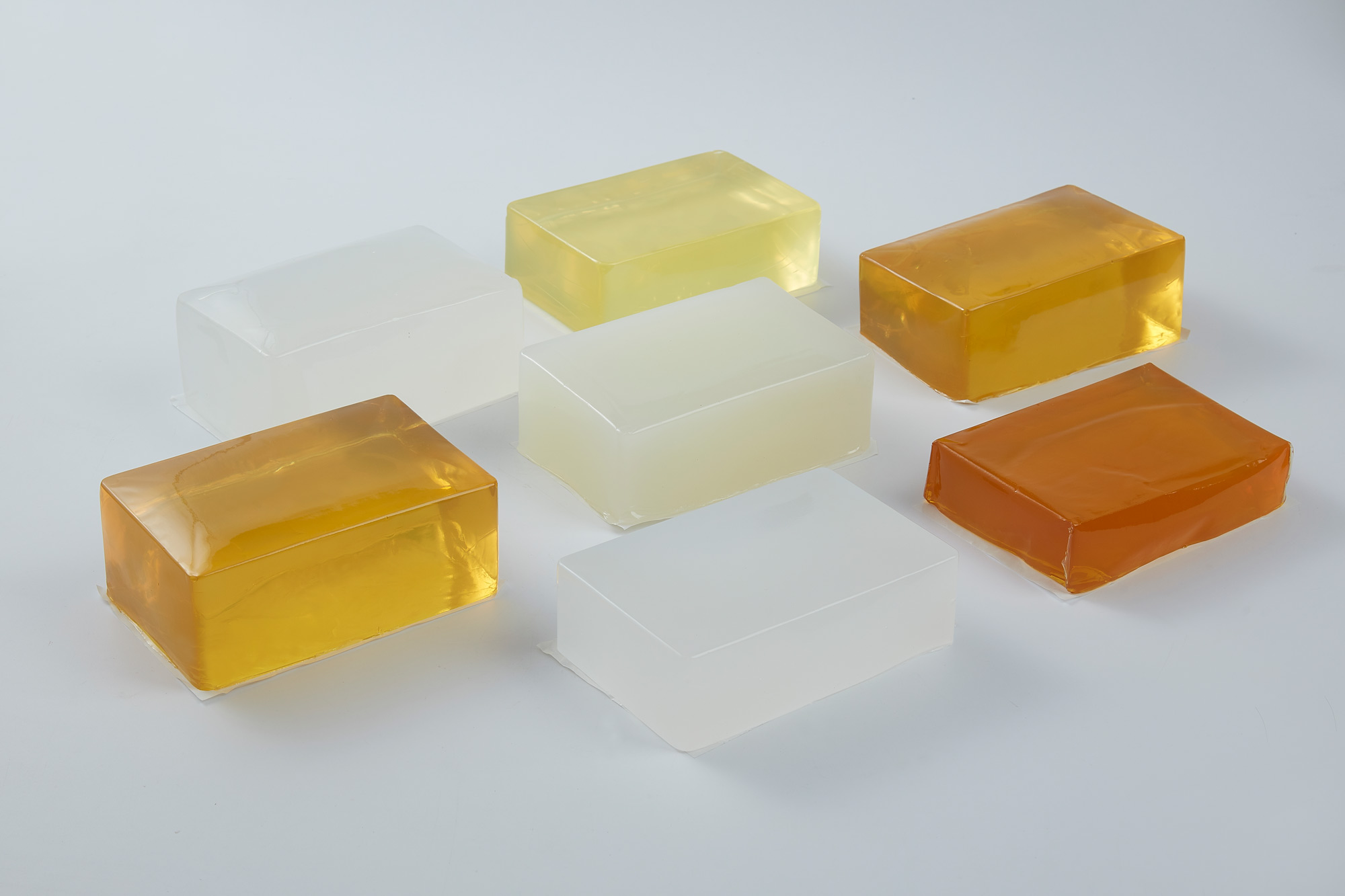
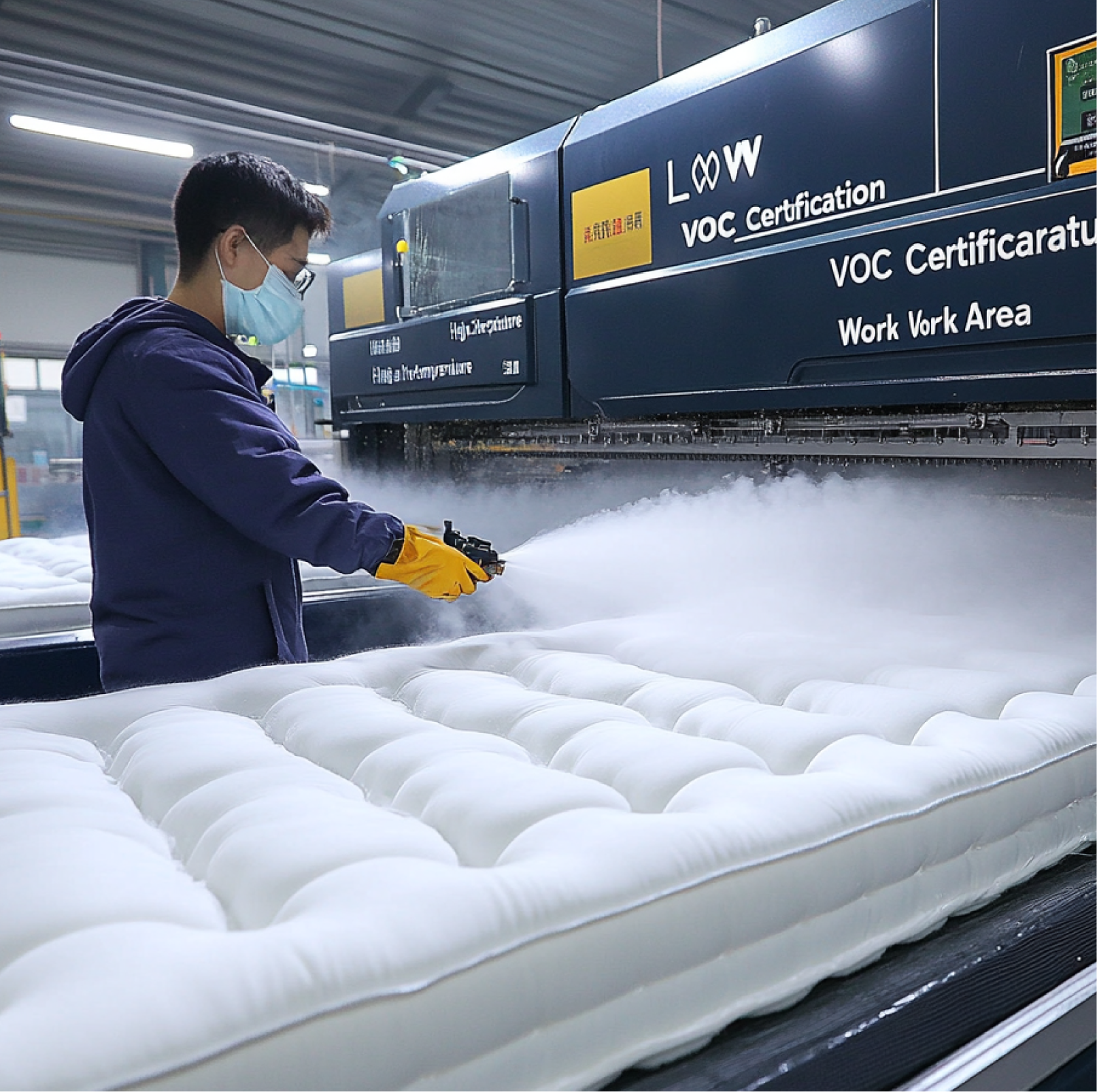
The global filtration market is projected to exceed USD 112 billion by 2030, driven by tightening air quality regulations, automotive emission standards, and the expansion of HVAC infrastructure worldwide. At the core of every filter assembly — whether it handles cabin air, industrial dust, liquid separation, or medical-grade particulate removal — lies a critical but often overlooked component: the hot melt adhesive filtration bond. Selecting the wrong adhesive leads to delamination, leakage, or thermal failure during end-use. This guide breaks down the types of filters, bonding challenges specific to each, and how to choose the right adhesive system for your production line.
Filtration Market Overview: Why Adhesive Selection Matters
Modern filters are complex multi-layer structures. A typical automotive cabin air filter, for example, combines a pleated polypropylene or polyester media, a polyurethane foam frame, metal or plastic end caps, and a non-woven backing layer — all held together by adhesive bonds applied at high speed on automated assembly lines. According to industry data, bonding failure accounts for over 30% of filter quality rejections during OEM audits, making adhesive selection as critical as media selection itself.
The filtration industry demands adhesives that can withstand thermal cycling, chemical exposure (oils, coolants, moisture), vibration stress, and — in HVAC applications — continuous airflow at elevated temperatures. Standard EVA-based hot melts, widely used in packaging and bookbinding, often fall short of these requirements. Purpose-engineered hot melt adhesive filtration solutions — primarily polyolefin (PO) and polyamide (PA) grades — are increasingly the standard among Tier 1 filter manufacturers.
Types of Filters and Their Bonding Requirements
Different filter categories impose very different demands on the adhesive system. The table below summarizes key requirements by filter type:
| Filter Type | Substrate | Operating Temp. | Key Adhesive Requirement | Recommended Chemistry |
|---|---|---|---|---|
| Automotive Cabin Air Filter | PP / polyester non-woven, PU foam | -40°C to +90°C | Thermal cycling resistance, flexibility at low temp | Polyolefin (PO) |
| Engine Air Filter | Cellulose / synthetic media, end caps | -30°C to +120°C | High-temp resistance, oil contamination resistance | Polyamide (PA) |
| Industrial Dust Collector Filter | Polyester or glass fiber, metal frame | Up to +150°C | High-temp bond, dimensional stability | PA / reactive PUR |
| HVAC Panel / Bag Filter | Glass fiber or synthetic media, cardboard / plastic frame | -20°C to +80°C | Fast set, good adhesion to mixed substrates | EVA or PO |
| Oil / Hydraulic Filter | Cellulose-glass composite, steel end cap | -20°C to +130°C | Chemical resistance, robust bond to metal | PA |
| Medical / Cleanroom HEPA | Borosilicate glass fiber | -10°C to +70°C | Low VOC, biocompatibility, no outgassing | PO (low-VOC grade) |
| Water Filtration Element | PP melt-blown, polysulfone housing | +5°C to +60°C | Hydrolytic stability, chemical inertness | PO or PES |
The Five Bonding Challenges in Filter Assembly
Understanding why filtration bonding is difficult helps engineers make better adhesive choices. The five most common challenges are:
- Mixed-substrate adhesion: Most filters combine dissimilar materials — synthetic media, foam, plastic, metal, and cardboard — each with different surface energies. The adhesive must wet and bond all interfaces reliably without primers.
- Thermal cycling stress: Automotive and HVAC filters experience repeated heating and cooling cycles. Adhesives with a high modulus at low temperatures will crack; adhesives that are too soft at peak operating temperature will creep and fail under load.
- Chemical exposure: Engine filters are exposed to oils, fuels, and coolants. Many EVA hot melts swell or lose bond strength when in contact with hydrocarbon-based fluids. PO and PA chemistries offer significantly better chemical resistance.
- High-speed production requirements: Modern filter assembly lines run at 20–80 cycles per minute. The adhesive must deliver an open time of 30–60 seconds for pleating operations while achieving a set time under 2 seconds for end-cap bonding, all while maintaining consistent bead quality.
- Environmental and regulatory compliance: EU REACH, RoHS, and automotive OEM standards (VDA 278, BMW GS 97014) impose strict limits on VOC emissions, heavy metal content, and material traceability. Using certified adhesives is increasingly a baseline requirement, not an option.
Material Compatibility: What Bonds to What
One of the most frequent causes of bonding failure in filter production is mismatched material compatibility. The chart below provides a quick reference for hot melt adhesive compatibility with common filter substrates:
| Substrate | EVA | PO (Polyolefin) | PA (Polyamide) | PES (Polyester) |
|---|---|---|---|---|
| Polypropylene (PP) non-woven | Fair | Excellent | Good | Poor |
| Polyester (PET) media | Good | Good | Excellent | Excellent |
| Cellulose / paper media | Excellent | Good | Good | Good |
| Glass fiber media | Good | Good | Excellent | Good |
| PU foam | Good | Excellent | Good | Fair |
| Steel / aluminum end cap | Poor | Fair | Excellent | Good |
| ABS / PA plastic frame | Fair | Good | Excellent | Good |
| Cardboard frame | Excellent | Excellent | Good | Good |
For the majority of automotive and industrial filter applications involving PP and PU substrates, polyolefin (PO) hot melt adhesive is the most versatile choice. For applications involving metal end caps or glass fiber media at elevated temperatures, polyamide (PA) provides the strongest and most durable bonds.
Recommended Adhesive Types by Filtration Application
Based on extensive field testing and production line feedback from filter manufacturers across Europe, Asia, and North America, here are the recommended adhesive categories for each core filtration application:
Cabin Air Filter Pleating and Frame Bonding
Recommended: PO hot melt adhesive
Application temperature: 150–175°C | Open time: 45–55 s | Set time: <2 s | Viscosity: 800–1,500 mPas at 160°C
PO adhesives deliver excellent adhesion to PP non-woven and PU foam, resist thermal cycling between -40°C and +90°C, and produce minimal char during extended tank residence times. Devote’s 8088 grade (1,000 ± 300 mPas at 170°C) is optimized for cabin filter production, offering consistent bead quality and outstanding flexibility at sub-zero temperatures.
Engine Air Filter End-Cap Potting
Recommended: PA hot melt adhesive
Application temperature: 190–220°C | Open time: 20–40 s | Bond strength at 120°C: >3 N/mm²
PA adhesives provide the high-temperature resistance and chemical inertness required for engine air filters. Their fast solidification at room temperature supports high-speed potting operations, and their resistance to hydrocarbon fluids ensures long service life under engine compartment conditions.
HVAC Panel Filter Media-to-Frame Bonding
Recommended: EVA or low-viscosity PO hot melt adhesive
Application temperature: 130–165°C | Open time: 30–50 s
HVAC panel filters use cardboard or plastic frames bonded to glass fiber or synthetic media. EVA remains cost-effective and widely used here; however, PO is gaining adoption due to lower VOC emissions and better recyclability — increasingly important for green building certifications like LEED and BREEAM.
Quality Standards and Certifications for Filtration Adhesives
Filter manufacturers supplying Tier 1 and Tier 2 automotive OEMs or medical device producers face rigorous qualification requirements. Adhesive suppliers are expected to provide:
- ISO 9001:2015 quality management certification covering raw material control, batch traceability, and outgoing QC
- REACH compliance documentation confirming absence of SVHCs (Substances of Very High Concern) per EU Regulation No. 1907/2006
- VDA 278 test results for VOC and SVOC emissions — mandatory for German OEM supply chains (BMW, VW, Mercedes-Benz)
- TDS and SDS (Technical Data Sheet and Safety Data Sheet) issued per GHS/UN standard
- Batch-level CoA (Certificate of Analysis) with viscosity, color, softening point, and open time data
According to the ISO 9001 standard, suppliers must demonstrate documented process control across the entire production chain. Choosing a certified adhesive manufacturer is not just a quality preference — in many filtration supply chains, it is a contractual requirement.
Frequently Asked Questions
Q1: What is the difference between EVA and PO hot melt adhesive for filter bonding?
EVA (ethylene-vinyl acetate) hot melt adhesive is lower in cost and bonds well to paper and cardboard substrates, making it suitable for HVAC panel filters. However, EVA has limited resistance to thermal cycling and hydrocarbon exposure. PO (polyolefin) adhesive offers superior performance on PP and PU substrates, better low-temperature flexibility, lower VOC emissions, and greater resistance to oils and moisture — making it the preferred choice for automotive cabin filters and industrial dust collectors.
Q2: What application temperature should I use for hot melt adhesive in filter production?
The optimal application temperature depends on adhesive chemistry and viscosity grade. PO adhesives typically run at 150–180°C; PA adhesives at 190–220°C. Operating below the recommended temperature results in poor wetting and weak bonds; operating too high causes degradation (charring) and shortened pot life. Always set tank, hose, and nozzle temperatures separately and verify with a calibrated thermometer. Devote supplies TDS documentation specifying the exact temperature profile for each product grade.
Q3: Can I use the same hot melt adhesive for both media bonding and end-cap sealing in one filter?
It is possible but not always optimal. Media-to-frame bonding (pleating) and end-cap sealing often require different viscosity profiles and open times. For cabin air filters, a single PO grade covering both operations can work well, simplifying your line and reducing changeover time. For engine filters with metal end caps or elevated service temperatures, a dedicated PA grade for the end-cap potting step — while keeping PO for media bonding — delivers better overall performance. Contact Devote’s technical team for a line-specific adhesive audit.
Partner with Devote for Your Filtration Adhesive Needs
Devote is a Shenzhen-based hot melt adhesive manufacturer with a dedicated product range for the filtration industry. Our engineering team works directly with filter producers to optimize adhesive selection, application parameters, and equipment compatibility — reducing reject rates and lowering total adhesive cost per unit. We supply customers in over 30 countries and provide full documentation support for OEM qualification processes.
Explore our filtration adhesive applications or contact our technical team for a free product sample and line assessment. Whether you are producing cabin air filters, industrial dust collectors, or HEPA medical filters, Devote has the adhesive solution to meet your performance and compliance requirements.