IATF 16949 Certified Hot Melt Adhesive for Automotive: What Suppliers Need to Know
When automotive OEMs and Tier 1 suppliers source IATF 16949 hot melt adhesive for production lines, certification is not a checkbox — it is the foundation of supply chain trust. From cabin air filters and door panels to headliner assemblies and HVAC ductwork, hot melt adhesives are load-bearing components in modern vehicle construction. A single batch of out-of-spec adhesive can trigger a production halt, a warranty claim, or — in the worst case — a safety recall. Understanding what IATF 16949 demands from adhesive suppliers, and how to verify compliance before placing an order, protects both your production schedule and your reputation.
This guide breaks down the certification standard, explains what automotive-grade hot melt adhesive really requires, and shows how Devote — a Shenzhen-based manufacturer of eco-friendly hot melt adhesives — supports automotive customers across the full qualification lifecycle.
What Is IATF 16949 and Why Does It Apply to Hot Melt Adhesive?
IATF 16949:2016 is the international quality management standard specifically designed for the automotive supply chain. Published jointly by the International Automotive Task Force (IATF) and ISO, it replaces the earlier TS 16949 standard and aligns with ISO 9001:2015 as its foundation. More than 60,000 manufacturing sites in over 80 countries hold IATF 16949 certification.
The standard applies to any organization that manufactures production parts, assemblies, or materials that become part of a vehicle. Hot melt adhesives fall squarely within this scope when supplied for automotive filtration assemblies, sealing applications, interior trim bonding, or structural component manufacturing. OEMs such as Volkswagen Group, Toyota, and Ford commonly require their Tier 1 and Tier 2 suppliers to hold or source from IATF 16949-certified manufacturers. In 2024, the global automotive adhesive market was valued at approximately USD 4.8 billion, with hot melt formulations accounting for roughly 28% of volume — underscoring the scale at which certification requirements operate.
Core Requirements of IATF 16949 for Adhesive Manufacturers
Achieving and maintaining IATF 16949 certification demands significantly more rigor than standard ISO 9001. For hot melt adhesive manufacturers, the key requirements cluster around four areas:
1. Advanced Product Quality Planning (APQP)
Before a new adhesive grade enters an automotive production line, the supplier must complete an APQP process — a structured development and launch plan that spans design intent, process design, product validation, and production launch. For hot melt adhesives, this typically includes defining the application temperature window, open time, bond strength targets, and substrate compatibility parameters in close collaboration with the customer’s engineering team.
2. Production Part Approval Process (PPAP)
PPAP documentation is the evidence package that proves a supplier can consistently manufacture a part to customer specifications. For adhesives, a Level 3 PPAP submission generally includes: design records, material data sheets, process flow diagrams, control plans, measurement system analysis (MSA) results, initial process capability studies (Cpk ≥ 1.67 for critical characteristics), and sample retention records. Most automotive customers require full PPAP resubmission whenever the adhesive formulation, raw material source, or manufacturing site changes.
3. Control Plan and Process Monitoring
A live control plan must document every process step, the characteristic being controlled, the control method, and the reaction plan if a result falls outside limits. For hot melt adhesive production, critical process parameters include melt viscosity (measured at application temperature, typically reported in mPa·s), ring-and-ball softening point, melt flow index, and color consistency. Statistical process control (SPC) charts must be maintained for each critical characteristic.
4. Traceability and Batch Management
Every kilogram of adhesive leaving an IATF 16949-certified facility must carry a traceable batch number that links back to: the raw material lot certificates, in-process test results, final inspection data, and shipping records. Automotive customers expect to reconstruct the full material genealogy of any batch within hours of a quality event — a capability that eliminates guesswork during root cause analysis and containment.
Automotive Adhesive Performance Requirements Beyond Certification
Certification confirms that a quality system is in place. It does not guarantee that the adhesive itself will perform in your specific application. Automotive buyers must evaluate technical performance alongside certification status.
Temperature Cycling Resistance
Automotive components experience extreme thermal cycling — from minus 40 °C in cold-climate parking to over 90 °C inside a sun-exposed cabin. Adhesives for filter frames, HVAC housings, and interior trim must maintain bond integrity across this full range without creep, delamination, or embrittlement. Polyolefin (PO) and polyamide (PA) hot melt formulations typically outperform standard EVA grades in high-temperature resistance, with PA grades retaining structural bond strength up to 130 °C.
Chemical and Fluid Resistance
Engine compartment adhesives may be exposed to oils, coolants, and cleaning agents. Cabin air filter assemblies can encounter humidity and condensation cycles. Specifying adhesives with documented resistance data — rather than relying on generic datasheets — is critical. Look for suppliers who provide resistance test results against the specific fluids present in your application environment.
Substrate Compatibility
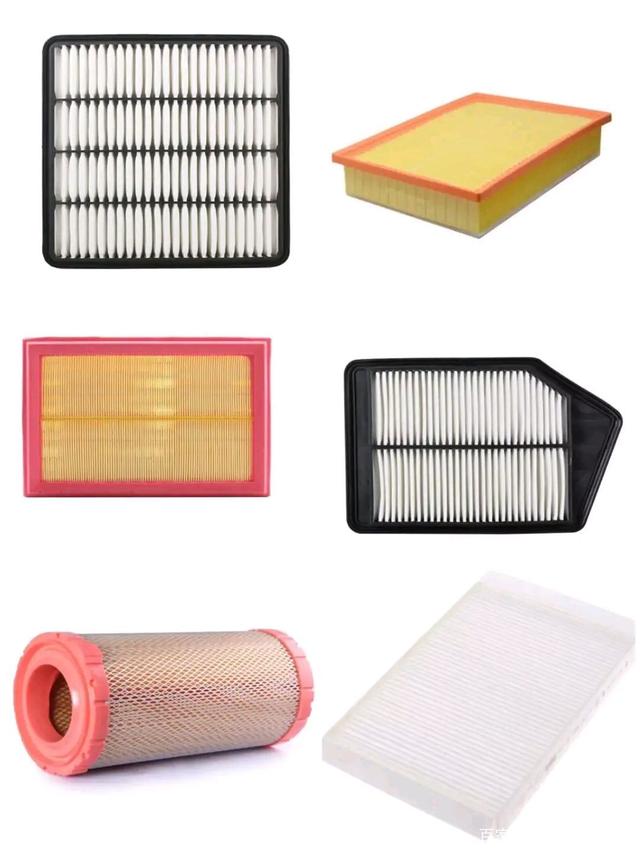
Automotive filter frames typically combine polypropylene (PP) nonwoven media, metal end caps, polyurethane foam seals, and paper or synthetic media layers. A capable automotive adhesive must bond across this substrate diversity without requiring primers or surface activation — particularly important for high-speed filter assembly lines running at 60–120 units per minute.
How to Qualify an Automotive Hot Melt Adhesive Supplier
Sourcing an IATF 16949-certified hot melt adhesive supplier is not a one-email process. A structured qualification protects your production line and supports your own customer-facing compliance obligations. The following steps reflect industry best practice:
- Request the current IATF 16949 certificate — verify scope, issue date, and the certifying body. Certificates are typically valid for three years with annual surveillance audits. Confirm the certificate scope explicitly covers adhesive manufacturing, not just a parent company’s administrative function.
- Review the supplier’s control plan for your adhesive grade — confirm that critical characteristics match your application requirements.
- Request a PPAP package at the appropriate level — for most automotive applications, Level 3 is standard. Evaluate Cpk values; anything below 1.33 on a critical characteristic warrants discussion before production approval.
- Conduct a manufacturing site audit — either in person or through a third-party auditor. Inspect raw material receiving inspection, production process controls, finished goods testing, and traceability records.
- Request retained samples and batch certificates — validate that the batch management system produces traceable documentation matching your production trial samples.
- Evaluate technical support capability — automotive production issues require same-day response. Confirm the supplier has application engineers who can troubleshoot nozzle stringing, bond failure, or open time deviation remotely and on-site.
Devote’s Automotive Certification and Capabilities
Devote operates a dedicated hot melt adhesive manufacturing facility in Shenzhen, China, certified to both ISO 9001 and IATF 16949 standards. The facility produces EVA, PO, PA, PES, and PSA hot melt formulations, with a dedicated automotive product line developed for filter assembly, interior trim, and HVAC applications.
Key capabilities relevant to automotive suppliers include:
- Full PPAP support: Devote’s quality engineering team prepares complete PPAP packages — including MSA studies, initial capability reports, and FMEA documentation — tailored to each customer’s OEM requirements.
- Batch traceability system: Every production batch is assigned a unique identifier linked to raw material COAs, in-process test logs, and final release data. Trace reports are available within 24 hours of any quality inquiry.
- Application-specific formulation: Rather than supplying generic catalog grades, Devote’s technical team works with customers to validate adhesive performance on their actual substrates and application equipment before commercial supply begins.
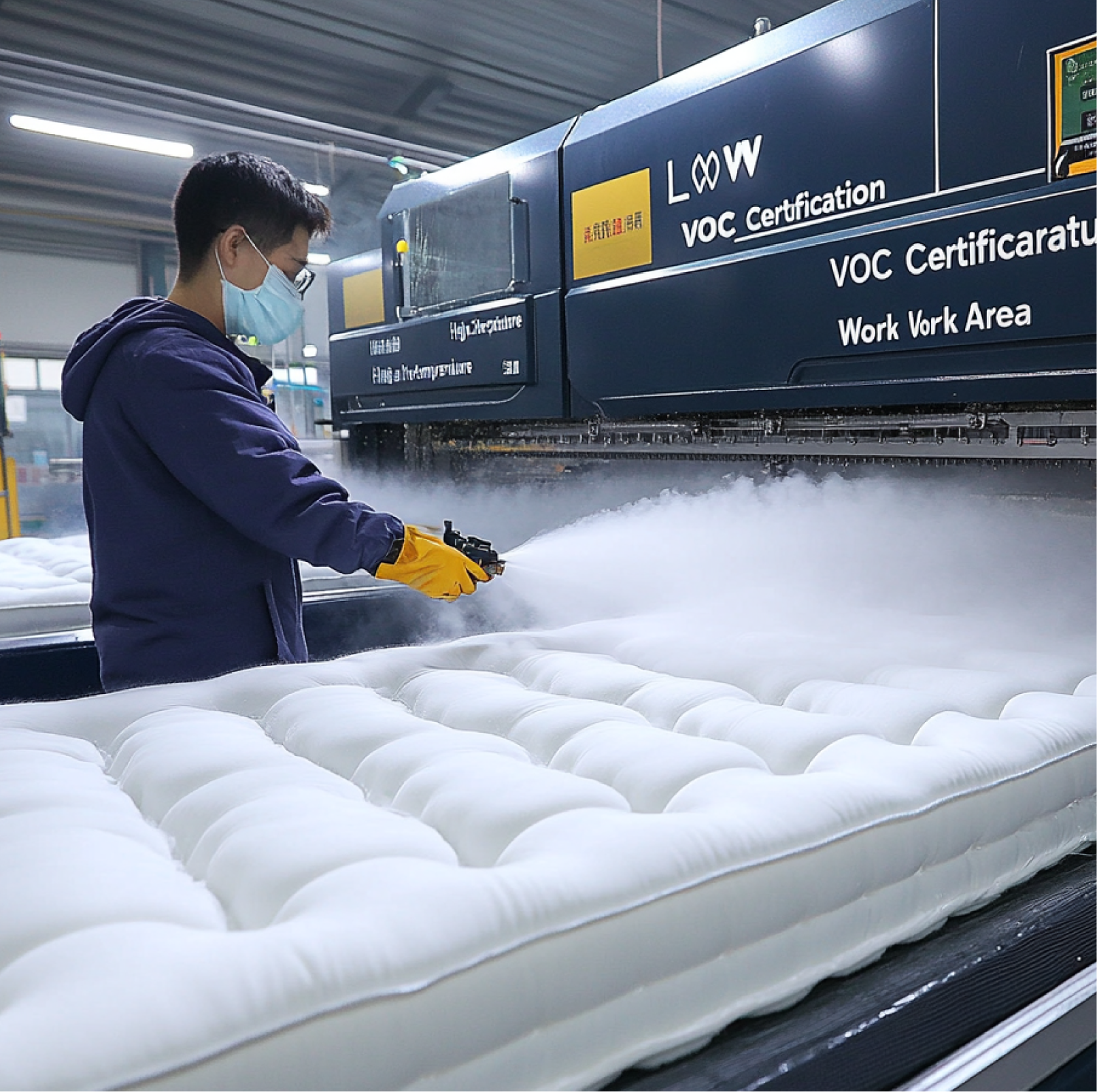
- Eco-friendly formulation: All Devote automotive adhesives are solvent-free and comply with REACH and RoHS requirements, supporting OEM sustainability targets and reducing VOC exposure on assembly lines.
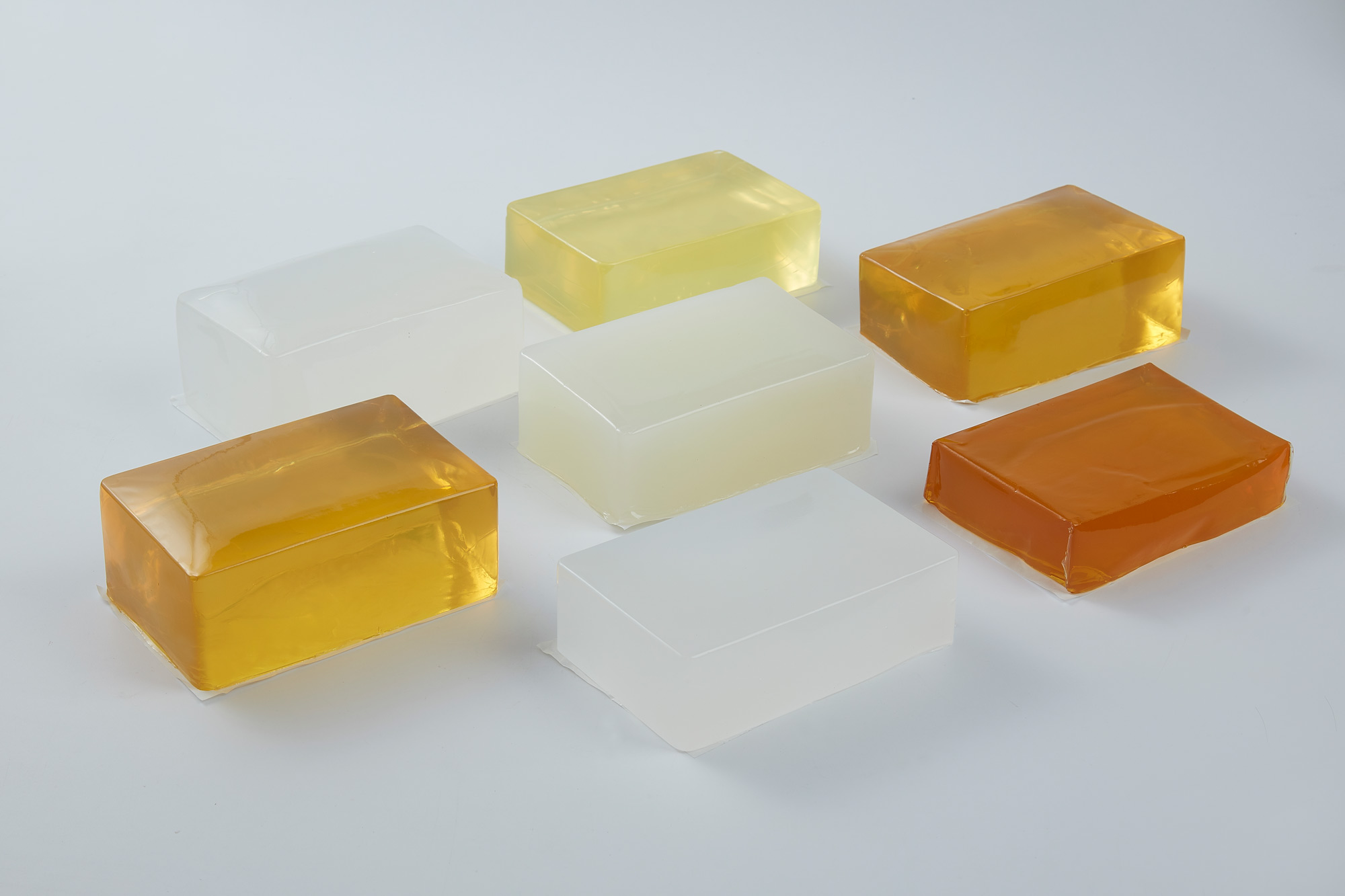
- Flexible supply formats: Adhesives are available in pillow packs, blocks, pellets, and cartridges to match automated dispensing equipment configurations used in filter and trim assembly.
To learn more about Devote’s full product range for automotive and filtration applications, visit the application overview page.
Frequently Asked Questions
Does IATF 16949 certification guarantee that a hot melt adhesive will meet my specific performance requirements?
No. IATF 16949 certifies that the supplier has a capable quality management system — it does not validate product performance for your specific application. Always conduct a separate technical qualification, including application trials on your substrates and equipment, alongside the certification review.
What PPAP level should I require from a hot melt adhesive supplier?
For direct automotive component production, Level 3 is the industry standard. This requires submission of a complete evidence package including dimensional results (where applicable), material test results, initial process study data, and a signed Part Submission Warrant (PSW). If your customer requires Level 4 or 5, communicate this requirement to your adhesive supplier at the start of qualification, as it adds documentation scope.
How often should I re-qualify my hot melt adhesive supplier?
Best practice is an annual supplier performance review combined with a re-audit every three years — aligned with the IATF 16949 certificate renewal cycle. Additionally, re-qualification is required any time the supplier changes their formulation, raw material sources, manufacturing equipment, or production site. Require written notification of any such change as a contractual obligation in your supplier agreement.
Structured Data Summary
| Parameter | IATF 16949 Requirement | Devote Capability |
|---|---|---|
| Quality System | IATF 16949:2016 certified | IATF 16949 + ISO 9001 certified |
| PPAP Level | Up to Level 5 | Full Level 3 standard; Level 4/5 on request |
| Process Capability (Cpk) | ≥ 1.67 for critical characteristics | Cpk data provided in PPAP package |
| Traceability | Full batch-to-raw-material trace | 24-hour trace report turnaround |
| Change Notification | Customer approval before change | Engineering Change Notice (ECN) system |
| Environmental Compliance | REACH, RoHS alignment | Solvent-free, REACH/RoHS compliant |
For further context on international quality standards in adhesive manufacturing, the IATF Global Oversight website provides the official overview of certification requirements and auditing bodies.
Partner with a Certified Supplier — Contact Devote
Automotive production demands zero-compromise quality at every tier of the supply chain. Whether you are qualifying a new adhesive source for a filter assembly line, responding to an OEM requirement for IATF 16949 documentation, or simply benchmarking your current supplier against a higher standard — Devote’s engineering and quality team is ready to support your evaluation process.
We supply IATF 16949-certified hot melt adhesives to automotive filter manufacturers, HVAC component producers, and Tier 1 interior trim suppliers across Europe, Southeast Asia, and North America. Our technical team can provide application trials, PPAP packages, and on-site support to accelerate your supplier qualification timeline.
Contact Devote today to request samples, technical datasheets, or a full PPAP documentation package for your automotive application.