

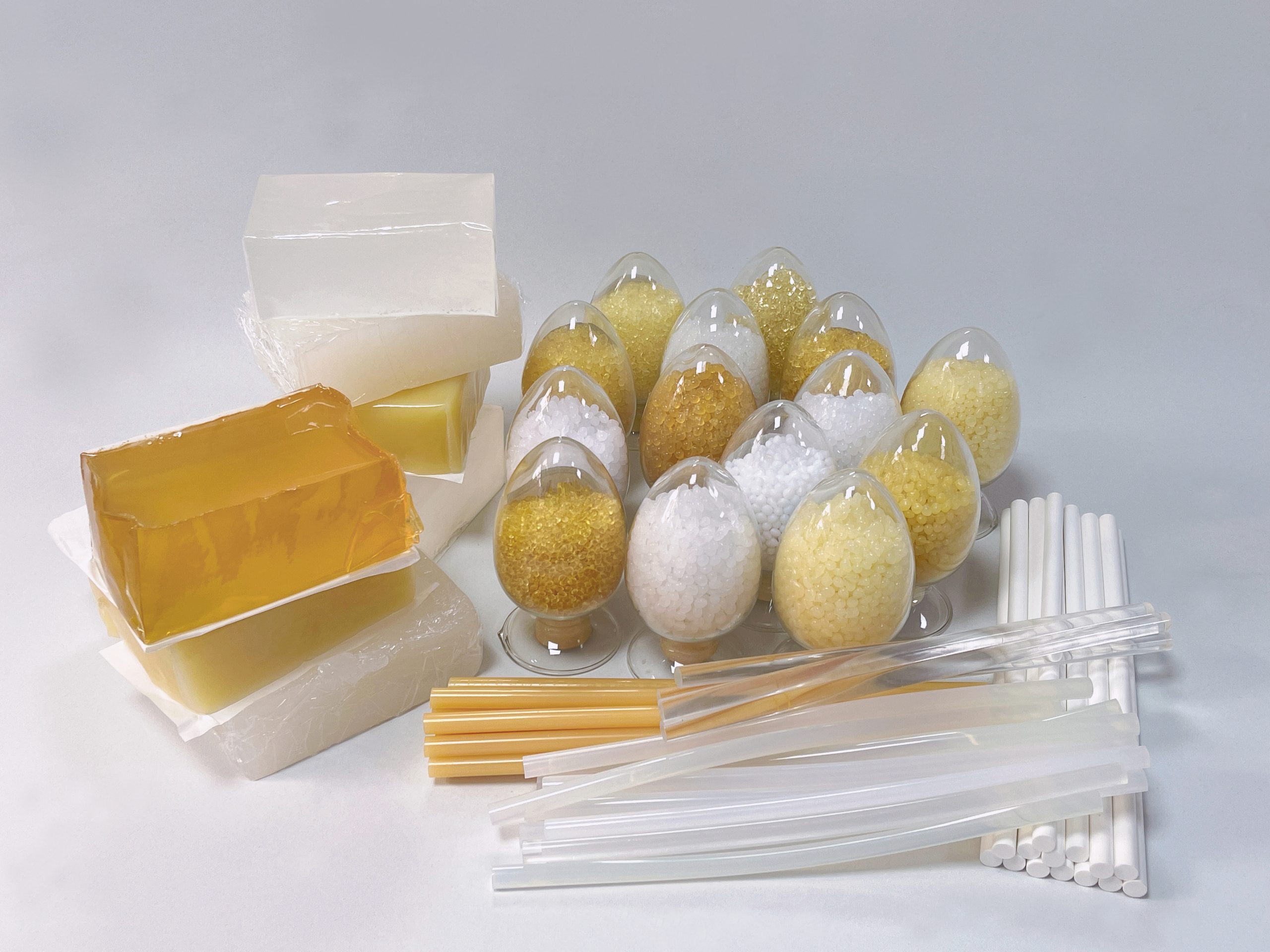
Global manufacturers face mounting pressure to cut emissions without sacrificing bond strength. The shift toward an eco-friendly hot melt adhesive is no longer optional. Regulations like REACH and RoHS restrict volatile organic compounds, while brand owners demand recyclable, low-odor bonding solutions. By 2028, the green adhesive segment is projected to exceed USD 3.2 billion at a 7.1 percent CAGR. This guide explains how VOC-free formulations work and which certifications matter. It shows how Devote helps manufacturers meet green targets without slowing production.
Environmental Regulations Driving VOC-Free Adhesive Demand
Three regulatory frameworks have reshaped adhesive selection worldwide. Non-compliance can halt shipments and trigger costly recalls.
| Regulation | Region | VOC Impact on Adhesives |
|---|---|---|
| REACH (EC 1907/2006) | EU | Restricts SVHCs; registration required above 1 ton/year |
| RoHS 2.0 | EU | Bans lead, cadmium, and harmful phthalates in additives |
| EPA TSCA Section 6(h) | USA | Restricts PBT chemicals including certain flame retardants |
| GB/T 30982 | China | Sets VOC content limit for hot melt adhesives at 50 g/L max |
Compliance is not optional. A single substance of very high concern above 0.1 percent weight can block an entire product shipment at EU customs. The European Chemicals Agency updates its candidate list twice yearly, and adhesive formulations must be screened against each revision. In China, GB/T 30982 caps VOC content at 50 grams per liter for hot melt grades. This pushes manufacturers toward 100 percent solid formulations.
The regulatory landscape is tightening. The EU Green Deal targets a 50 percent reduction in VOC emissions by 2030. California SCAQMD rule 1168 already limits adhesive VOC content to 30 grams per liter for many applications. Manufacturers who switch now gain a first-mover advantage in compliance and brand positioning.
What Makes an Eco-Friendly Hot Melt Adhesive VOC-Free?
Traditional solvent-based adhesives release 100 to 400 grams of VOC per liter during application. An eco-friendly hot melt adhesive is fundamentally different. It is a 100 percent solid thermoplastic that melts when heated and resolidifies on cooling. No solvent evaporates. No water flashes off. No curing oven consumes energy. This is why hot melt technology forms the backbone of green manufacturing.
| Adhesive Type | VOC Content | Process Requirements |
|---|---|---|
| Solvent-based | 100-400 g/L | Ventilation, drying oven, emission permits |
| Water-based | 10-30 g/L | Drying oven, longer set time |
| Hot melt (EVA) | Below 5 g/L | No oven, instant set |
| Hot melt (PO/PA) | Below 1 g/L | Lowest emission, fastest production |
Health effects matter too. VOC exposure at 50 parts per billion can cause headaches, respiratory irritation, and long-term organ damage. Workers in plants using solvent adhesives face the highest exposure. Switching to hot melt technology eliminates this risk entirely, improving both workplace safety and insurance profiles.
The data is clear. Hot melt adhesives emit less than 5 grams of VOC per liter, compared to 400 grams for solvent-based grades. This 80-fold reduction is why regulators and brand owners increasingly specify hot melt technology for sustainable production.
Green Adhesive Formulations: Innovations in VOC-Free Chemistry
Not all hot melt adhesives are equally green. Traditional EVA grades rely on petroleum-derived wax and resin. Modern eco-friendly formulations go further. Metallocene-catalyzed polyolefins (mPO) offer lower density and broader temperature windows. Bio-based polyamides from castor oil reduce petroleum dependency by up to 60 percent. These innovations cut carbon footprint without compromising bond strength.
Innovation extends to stabilizer packages. Traditional antioxidants like BHT can off-gas at application temperatures above 180 degrees Celsius. Green formulations use hindered phenol stabilizers that remain thermally stable. This prevents yellowing, odor, and VOC release during high-speed production. Devote’s polyester hot melt adhesive is one example of a low-emission, recyclable grade for textile and packaging.
Process efficiency also improves. Hot melt adhesives set in 1 to 3 seconds, eliminating drying tunnels that consume 15 to 40 kilowatts each. This translates to measurable energy savings and a smaller carbon footprint per bonded unit.

Certifications That Validate Eco-Friendly Adhesive Claims
Self-reported green claims are not enough. Buyers should verify the following certifications before specifying an adhesive grade:
| Certification | Scope | What It Proves |
|---|---|---|
| ISO 14001 | Environmental management | Manufacturing process audited for impact reduction |
| REACH SVHC | Substance compliance | Formulation screened against latest candidate list |
| RoHS 2.0 | Restricted substances | Lead, cadmium, and phthalate-free |
| VDA 278 | Thermal desorption | VOC emission measurement for automotive interiors |
| EC-1 Plus | Emicode | Ultra-low emission for indoor building products |
Devote maintains ISO 9001 and ISO 14001 certifications at its Shenzhen plant. All products comply with REACH and RoHS 2.0. Each shipment includes a certificate of analysis confirming VOC levels and chemical composition. This documentation simplifies customs clearance and OEM audits alike.
Performance vs. Sustainability: Do Green Adhesives Bond as Strongly?
A common concern is whether green formulations sacrifice bonding performance. Independent testing and field data show that modern VOC-free grades match or exceed traditional adhesives across critical metrics.
| Property | Traditional EVA | Green PO (mPO) | Bio-based PA |
|---|---|---|---|
| Bond strength (N/mm2) | 2.5-4.0 | 3.0-5.0 | 4.0-6.0 |
| Heat resistance | 70C | 110C | 150C |
| Low-temp flexibility | -20C | -40C | -30C |
| Chemical resistance | Fair | Good | Excellent |
| VOC content (g/L) | Below 5 | Below 1 | Below 1 |
The data shows that green formulations are not a compromise. Metallocene PO grades outperform EVA in heat resistance, chemical resistance, and low-temperature flexibility. For filter manufacturers, this means longer service life and fewer field returns. For packaging lines, faster set speeds and recyclable bonds.
Where Eco-Friendly Hot Melt Adhesive Delivers Impact
Three application areas benefit most from the shift to VOC-free bonding:
- Filter manufacturing: Cabin and engine air filters require low-VOC adhesives that pass VDA 278. Devote’s filter adhesives bond polypropylene non-woven and polyurethane foam without odor migration.
- Packaging: Recyclable carton sealing adhesives must separate cleanly during repulping. Metallocene PO grades meet recyclability protocols. See our packaging applications for details.
- Mattress and hygiene: PSA grades for mattress assembly and hygiene products must be skin-safe and odor-free. Low-VOC PO formulations meet OEKO-TEX Standard 100. Our mattress adhesive solutions cover this range.
Switching to a VOC-free adhesive reduces workplace exposure, simplifies regulatory reporting, and supports brand sustainability claims with verifiable data.
Devote’s Eco-Friendly Hot Melt Adhesive Solutions
Devote is a Shenzhen-based manufacturer of eco-friendly hot melt adhesive with 17 years of production experience. The company operates an ISO 9001 and ISO 14001 certified plant producing EVA, PO, PA, PES, and PSA grades. All products comply with REACH and RoHS 2.0. Learn more on our about page.
Key green product lines include metallocene PO grades for filter and packaging applications that bond dissimilar substrates without primers. Bio-based PA grades deliver sustained heat resistance up to 150 degrees Celsius for automotive and electronics. PSA grades serve mattress and hygiene products where skin-contact safety and low odor are mandatory. Annual production capacity exceeds 10,000 metric tons.
Devote also offers custom formulation services. If a standard grade does not meet your target, the R and D team can adjust polymer ratios and stabilizer packages. Custom bio-based content can be formulated to match your specifications. Minimum order quantity is 1,000 kilograms, with samples available for testing.
Frequently Asked Questions
Are hot melt adhesives truly VOC-free?
Hot melt adhesives are 100 percent solid thermoplastics. They contain no solvents, no water, and no volatile diluents. VOC emissions during application measure below 5 grams per liter. Premium PO and PA grades emit less than 1 gram per liter. This makes them the lowest-emission adhesive class available for industrial bonding.
Can eco-friendly hot melt adhesive match traditional bond strength?
Yes. Modern metallocene polyolefin grades achieve bond strengths of 3.0 to 5.0 N/mm2, compared to 2.5 to 4.0 for traditional EVA. Bio-based polyamide grades reach 4.0 to 6.0 N/mm2 with heat resistance up to 150 degrees Celsius. Green formulations are not a performance compromise.
Which certifications should buyers request from adhesive suppliers?
Request REACH compliance statements, RoHS 2.0 test reports, and VOC emission data measured per VDA 278 or EC-1 Plus. For food-contact applications, request FDA 21 CFR 175.105 compliance. Devote provides all documentation with each shipment, including certificates of analysis.
Start Your Green Manufacturing Journey With Devote
The evidence is clear. VOC-free hot melt adhesive technology delivers zero-emission bonding without sacrificing strength, speed, or reliability. Whether you manufacture filters, packaging, mattresses, or automotive components, green adhesives are ready for your production line.
Switching to VOC-free adhesives protects your workforce, your products, and your regulatory standing. Devote’s green adhesive grades are formulated, tested, and certified for global compliance. Request a sample or discuss your application with our technical team.

