

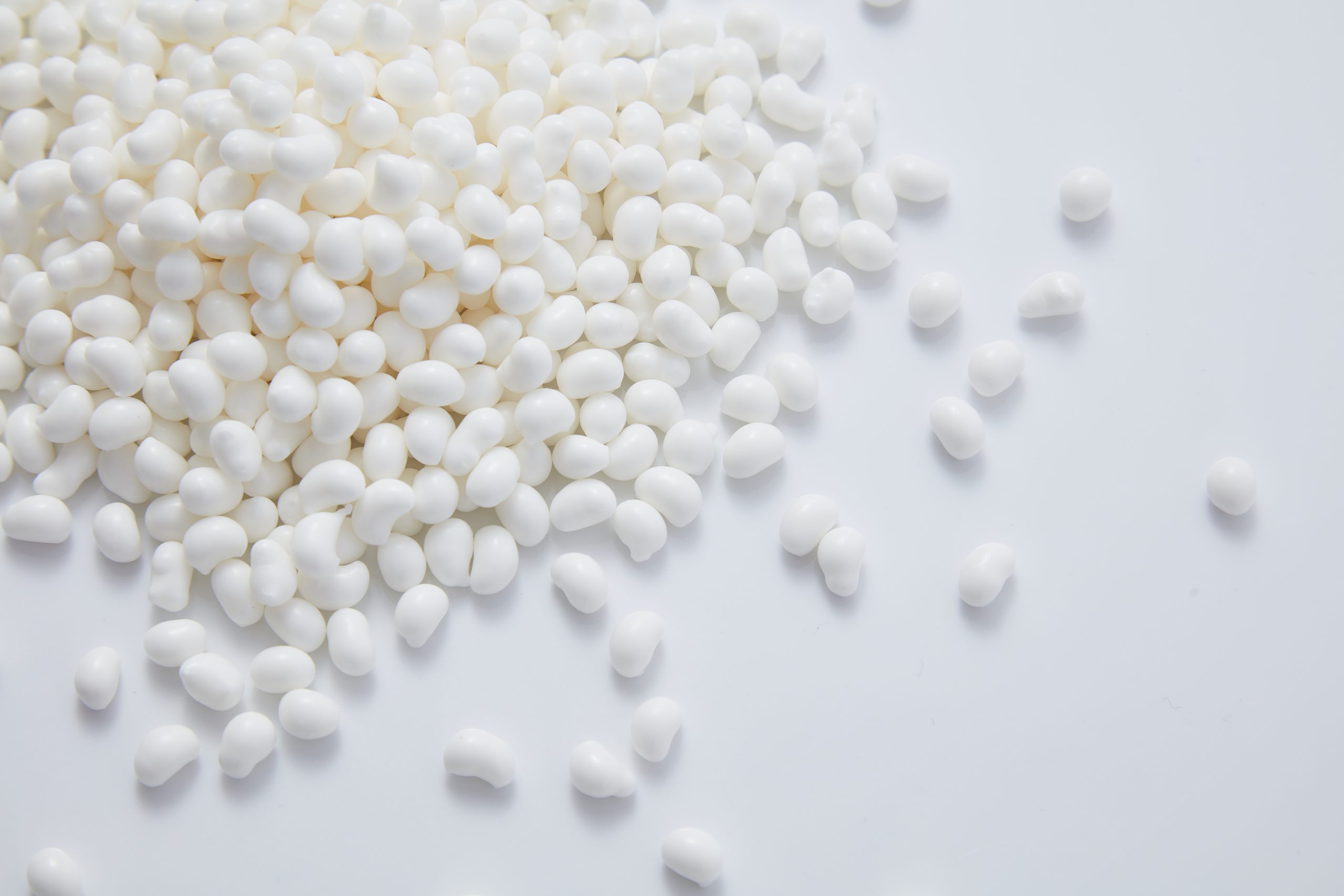
Polyester (PES) hot melt adhesive has become the preferred bonding solution for textile and footwear manufacturers that need strong, flexible, and wash-resistant seams. Unlike traditional sewing or solvent-based glues, this thermoplastic polyester hot melt adhesive forms a clean bond that survives repeated washing and flexing. In this guide we explain why polyester hot melt adhesive is widely chosen for textile and footwear bonding, the performance data specifiers should require, and how Devote’s PES grades support apparel, sportswear, and shoe production.
Whether you are building a seamless garment line, laminating functional fabrics, or assembling performance footwear, the right adhesive can reduce labor, eliminate stitch holes, and improve comfort. For a broader view of where hot melt is used, visit our applications page.
Key Properties of Polyester (PES) Hot Melt Adhesive
Polyester hot melt adhesive is a copolyester thermoplastic supplied as powder, film, web, or granulate. It is melted and applied between two substrates, then cooled to form a durable bond. Its popularity in textile and footwear comes from a combination of properties that few other adhesives match at low cost:
- High wash and dry-clean resistance: PES bonds typically survive 50+ domestic wash cycles at 40-60 °C, far beyond EVA or standard PSA.
- Flexibility at low temperature: Remains pliable down to -20 °C, so seams do not crack during cold-weather use.
- Good adhesion to synthetics: Bonds well to polyester, nylon, PU, and blended textiles without primers.
- Low odor and VOC-free: Contains no solvent, supporting cleaner air in the production workshop.
- Tunable melt point: Grades range from 90 °C to 160 °C softening point to match fabric heat sensitivity.
Because the chemistry is stable, PES adhesive keeps its bond strength after exposure to moisture, perspiration, and detergents — the exact conditions that destroy weaker adhesives inside shoes and activewear.
Textile Bonding Applications
In the textile industry, polyester hot melt adhesive is most often used as a powder or film in heat-press lamination. Typical use cases include:
- Seamless garment construction: Bonding overlapped fabric panels replaces stitching, removing needle holes and improving comfort in sportswear and underwear.
- Interlining and fusible web: PES powder coatings attach collars, cuffs, and waistbands so they hold shape through washing.
- Functional fabric lamination: Waterproof-breathable membranes are laminated to shell fabrics for outerwear and medical textiles.
- Embroidery backing: Heat-activated PES stabilizes embroidered logos and prevents fraying after washing.
For most textile lamination, the adhesive is applied by scatter coating or engraved-roll transfer, then activated at 130-170 °C under 1-4 bar pressure for 8-20 seconds. The short cycle supports continuous production lines running at several meters per minute.
Footwear Construction and Assembly
Footwear is one of the fastest-growing applications for PES hot melt adhesive. Performance shoes, safety boots, and sports footwear all benefit from adhesive-based assembly that reduces stitching and weight. Common bonding points include:
- Upper to midsole: A PES film or bead creates a flexible, waterproof joint that resists the constant flex of walking and running.
- Toe cap and heel counter reinforcement: Thermoplastic inserts are bonded to the upper for structure without thick stitching.
- Insole and sockliner lamination: Multiple foam and fabric layers are joined into a single comfortable insole.
- Decorative and structural overlays: Logos, mudguards, and TPU pieces are attached cleanly without visible stitches.
Devote supplies PES grades formulated for shoe assembly, with softening points tuned so the adhesive flows into the substrate without damaging heat-sensitive meshes or foams.
Wash and Dry-Clean Resistance
Wash resistance is the single biggest reason brands switch to polyester hot melt adhesive. In internal and customer validation tests, quality PES grades retain bond integrity through demanding conditions:
| Test Condition | Typical PES Performance | Why It Matters |
|---|---|---|
| Domestic washing | 50+ cycles at 40-60 °C | Garment lasts the expected product lifetime |
| Industrial washing | 20-30 cycles at 70-75 °C | Workwear and uniforms stay bonded |
| Dry cleaning | Stable in perchloroethylene | Keeps seams intact for formal and technical wear |
| Flex durability | 100,000+ bend cycles | Shoes and activewear survive daily movement |
| Peel strength (fabric-fabric) | ≥ 12 N/cm after washing | Prevents seam separation in use |
These results come from standard wash and peel methods aligned with textile industry references such as ISO 3758 care-labeling guidelines. Always validate against your own fabric and wash program before mass production.
PES vs Polyamide (PA): Which to Choose
Polyamide (PA) hot melt adhesive is the main alternative to PES. Both are thermoplastic and wash-resistant, but they differ in cost and performance profile:
| Property | PES (Polyester) | PA (Polyamide) |
|---|---|---|
| Wash resistance | Excellent (50+ cycles) | Excellent (up to 80+ cycles) |
| Heat resistance | Up to 120 °C | Up to 150 °C |
| Flexibility | Very high | High, slightly stiffer |
| Cost | Lower | Higher |
| Best for | Apparel, footwear, laminates | High-heat automotive, electronics |
For most textile and footwear programs, PES is the cost-effective default. Choose PA only when the bonded part sees sustained temperatures above 120 °C or requires maximum wash count, such as industrial uniforms.
Devote Polyester (PES) Hot Melt Adhesive Range
Devote manufactures polyester hot melt adhesive at our ISO 9001 certified facility in Shenzhen, supplying both standard and custom PES grades for textile and footwear customers. Our range includes powder, film, and granulate forms, with typical specifications:
- Softening point: 90 °C to 160 °C, depending on grade
- Melt viscosity: 2,000 – 25,000 mPa·s at application temperature
- Wash resistance: 50+ cycles at 60 °C
- Application form: Powder, film, web, or granulate
- Supply format: 20 kg cartons, drums, or custom rolls
We support manufacturers with sample rolls, application trials, and technical data sheets. If your line needs a specific melt point, open time, or wash rating, our team can adjust the formulation. Reach out through our contact page to request samples or a technical consultation.
Frequently Asked Questions
What makes PES hot melt adhesive suitable for textiles?
Polyester hot melt adhesive bonds well to synthetic fabrics, stays flexible after cooling, and resists washing and dry cleaning. These properties let manufacturers replace stitches with clean, comfortable seams that survive the product’s lifetime.
How wash-resistant is PES hot melt adhesive?
Quality PES grades typically survive 50 or more domestic wash cycles at 40-60 °C, and 20-30 industrial cycles at 70-75 °C, while keeping peel strength above 12 N/cm. Always confirm with your own fabric and wash program.
Can PES hot melt adhesive replace sewing in footwear?
In many constructions, yes. PES film and bead adhesives bond uppers, midsoles, and overlays without visible stitches, reducing weight and labor. High-stress joints may still use a combination of adhesive and limited stitching for maximum durability.
Conclusion
Polyester (PES) hot melt adhesive offers textile and footwear manufacturers a rare combination of wash resistance, flexibility, and low cost. By choosing the right melt point and application form, brands can build seamless garments and durable shoes that hold up through years of use. As a Shenzhen-based ISO 9001 manufacturer, Devote is ready to support your next program with tested PES grades and responsive technical service.
Explore more use cases on our applications page, or contact Devote today for samples, specifications, and a quote tailored to your textile or footwear production line.

