

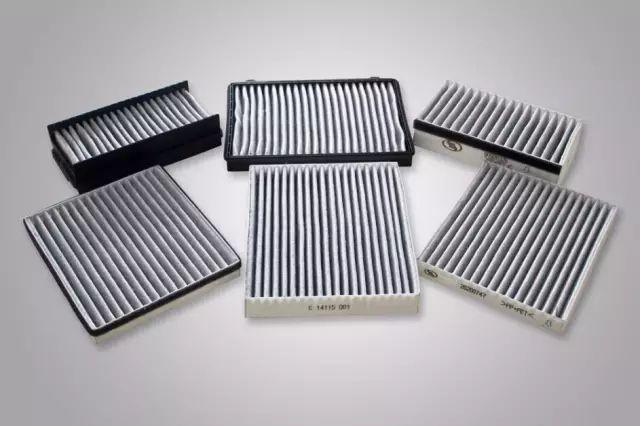
Automotive HVAC filter assembly hot melt adhesive is the hidden bonding backbone of every cabin air filter. It stabilizes pleats, seals frames, and attaches nonwoven media to plastic housings while the vehicle cycles between freezing start-ups and hot summer traffic. A single bond failure can let unfiltered air bypass the media, reduce HVAC efficiency, or trigger a warranty claim. In this guide, we break down where hot melt adhesive is used in automotive HVAC filter assembly, the performance data buyers should specify, and how Devote’s automotive-grade formulations help Tier-1 suppliers meet OEM quality targets.
Whether you are sourcing adhesives for a new cabin-filter program or auditing an existing line, the information below will help you choose a grade that balances bond strength, heat resistance, and production speed. For a broader view of filtration and assembly uses, visit our applications page.
Key Bonding Points for Automotive HVAC Filter Assembly Hot Melt Adhesive
A modern cabin air filter is more than folded media in a frame. It is an engineered assembly where four adhesive joints must stay intact for the service life of the vehicle:
- Pleat stabilization: Adhesive lines or side rails keep pleats evenly spaced so airflow remains uniform and pressure drop stays within specification.
- Media-to-frame bonding: The filter media must attach securely to the polyurethane or polypropylene frame without curling or delamination.
- Frame and gasket sealing: A continuous bead prevents air leakage around the perimeter and keeps contaminants from bypassing the media.
- End-cap or cover attachment: Some designs bond a secondary cover or end-cap that must resist vibration and repeated thermal cycling.
Each bonding point has different requirements for open time, viscosity, and adhesion. Pleat stabilization usually needs a medium-viscosity adhesive with a long open time so operators can position the media. Frame sealing often needs a faster-setting grade that creates a tight perimeter bead without stringing.
Temperature and Quality Standards for Automotive HVAC Filter Assembly Hot Melt Adhesive
Cabin air filters experience one of the widest temperature ranges of any under-hood component. Industry testing commonly covers -40 °C to 120 °C, with peak exposure near the blower motor reaching up to 125 °C in some platforms. Adhesives must pass accelerated aging cycles, typically 1,000 hours at 120 °C, while retaining at least 80% of initial bond strength.
Automotive OEMs and Tier-1 filter makers also require consistent process control. Common quality references include SAE International standards for filter performance and IATF 16949 for production quality management. Devote manufactures under ISO 9001 and supports automotive customers with batch traceability, COA documentation, and technical data sheets.
| Property | Typical Specification Range | Why It Matters |
|---|---|---|
| Operating temperature | -40 °C to 125 °C | Ensures bond integrity across climate extremes |
| Viscosity at 170 °C | 1,500 – 4,500 mPa·s | Controls bead profile and penetration into media |
| Open time | 15 – 60 seconds | Allows proper media placement before setting |
| Heat resistance | ≥ 120 °C (peak 125 °C) | Prevents softening near blower motor |
| Adhesion retention after aging | ≥ 80% after 1,000 h at 120 °C | Meets OEM durability requirements |
Choosing the Right Hot Melt Adhesive Grade
Most automotive HVAC filters use either EVA-based or polyolefin (PO) hot melt adhesives. EVA grades offer good adhesion to a wide range of substrates and lower cost, making them popular for cabin filters with moderate temperature exposure. PO grades provide higher heat resistance and better low-temperature flexibility, which is important for platforms sold in extreme climates or with high blower loads.
For applications near the upper end of the temperature range, Devote recommends high-performance PO or polyamide (PA) formulations. These adhesives maintain bond strength above 120 °C and resist plasticizer migration from PVC or polyurethane frame materials. Our technical team matches the grade to your media type, frame resin, and application method so you do not over-engineer the adhesive or risk field failures.
Application Equipment and Process Control
Consistent adhesive application is as important as the adhesive itself. HVAC filter lines commonly use heated tanks, gear pumps, and slot-die or bead nozzles. Tank temperature is usually set between 160 °C and 180 °C, depending on the grade. Operators should monitor:
- Adhesive temperature: Too low causes poor flow and cold spots; too high accelerates oxidation and char.
- Application weight: Excess adhesive increases cost and can block pleats; too little reduces bond strength.
- Open time on the line: Must match the indexing speed of the assembly fixture.
- Substrate moisture and dust: Nonwoven media should be dry and free of release agents before bonding.
With the right settings, hot melt adhesive can cure fast enough to support line speeds of 30–60 assemblies per minute, far exceeding the output possible with solvent-based or water-based systems.
Devote Automotive HVAC Filter Assembly Solutions
Devote supplies hot melt adhesives to automotive filter manufacturers from our ISO 9001 certified facility in Shenzhen. Our automotive HVAC filter assembly hot melt adhesive range includes EVA and PO grades specifically tested for cabin air filter bonding. Typical performance data include:
- Softening point: 110 °C to 145 °C, depending on grade
- Heat resistance: Up to 125 °C continuous exposure
- Viscosity at 170 °C: 2,000 – 4,000 mPa·s
- Bond strength on PP frame: ≥ 3.5 N/cm after 24 h
- Supply format: 20 kg cartons or custom pillow packs
We support Tier-1 suppliers with COA documents, safe-handling guides, and application trials. If your program requires IATF 16949 alignment or specific OEM approvals, our team can review the specification and recommend the most cost-effective grade. Reach out through our contact page to request samples or a technical consultation.
Frequently Asked Questions
What is the best hot melt adhesive for automotive HVAC filter assembly?
For most cabin air filters, a high-performance polyolefin (PO) hot melt adhesive offers the best balance of heat resistance, low-temperature flexibility, and adhesion to polypropylene frames. EVA grades can be suitable for lower-temperature platforms, while PA grades are reserved for extreme heat applications.
At what temperature must HVAC filter adhesives perform?
Automotive HVAC filter adhesives are typically validated from -40 °C to 120 °C, with some OEMs requiring short-term survival up to 125 °C near the blower motor. The adhesive must also pass thermal cycling and accelerated aging tests.
How is hot melt adhesive applied in filter assembly lines?
Hot melt adhesive is melted in a heated tank, pumped through heated hoses, and dispensed as a bead or slot-coated film onto the media or frame. The open time of the adhesive must match the line indexing speed so the media can be positioned before the bond sets.
Conclusion
Automotive HVAC filter assembly hot melt adhesive plays a critical role in cabin air quality, HVAC efficiency, and long-term durability. Specifying the right grade means balancing heat resistance, open time, viscosity, and adhesion to your specific media and frame materials. With the right adhesive and process controls, filter makers can reduce scrap, pass OEM validation, and keep production lines running at high speed.
Devote is ready to support your next automotive filter program with tested adhesives, technical documentation, and responsive service from Shenzhen. Visit our applications page to explore more use cases, or contact Devote today for samples, specifications, and a quote tailored to your HVAC filter assembly line.

