The Complete Guide to Industrial Hot Melt Adhesives: Selection, Application, and Best Practices
How to Choose the Right Hot Melt Adhesive?
Selecting the optimal adhesive involves evaluating several factors:
Substrate Materials
- Porous (wood, paper, fabric): EVA or polyolefin often suffice
- Non-porous (metals, plastics): Polyamide or reactive PUR may be required
- Low-energy plastics (PE, PP): Polyolefin or special grades are needed
Service Environment
- Temperature range: Consider both application and end-use temperatures
- Chemical exposure: Oils, solvents, or moisture require polyamide or PUR
- UV exposure: Polyester or certain polyolefins offer better UV stability
Production Requirements
- Open time: How long before the adhesive sets? (short for high speed, longer for repositioning)
- Setting speed: Faster speeds increase throughput
- Application method: Bead, spray, or roll coating
Regulatory & Safety
- Food contact, medical, or low-VOC requirements may dictate specific formulations
Application Methods for Industrial Hot Melt
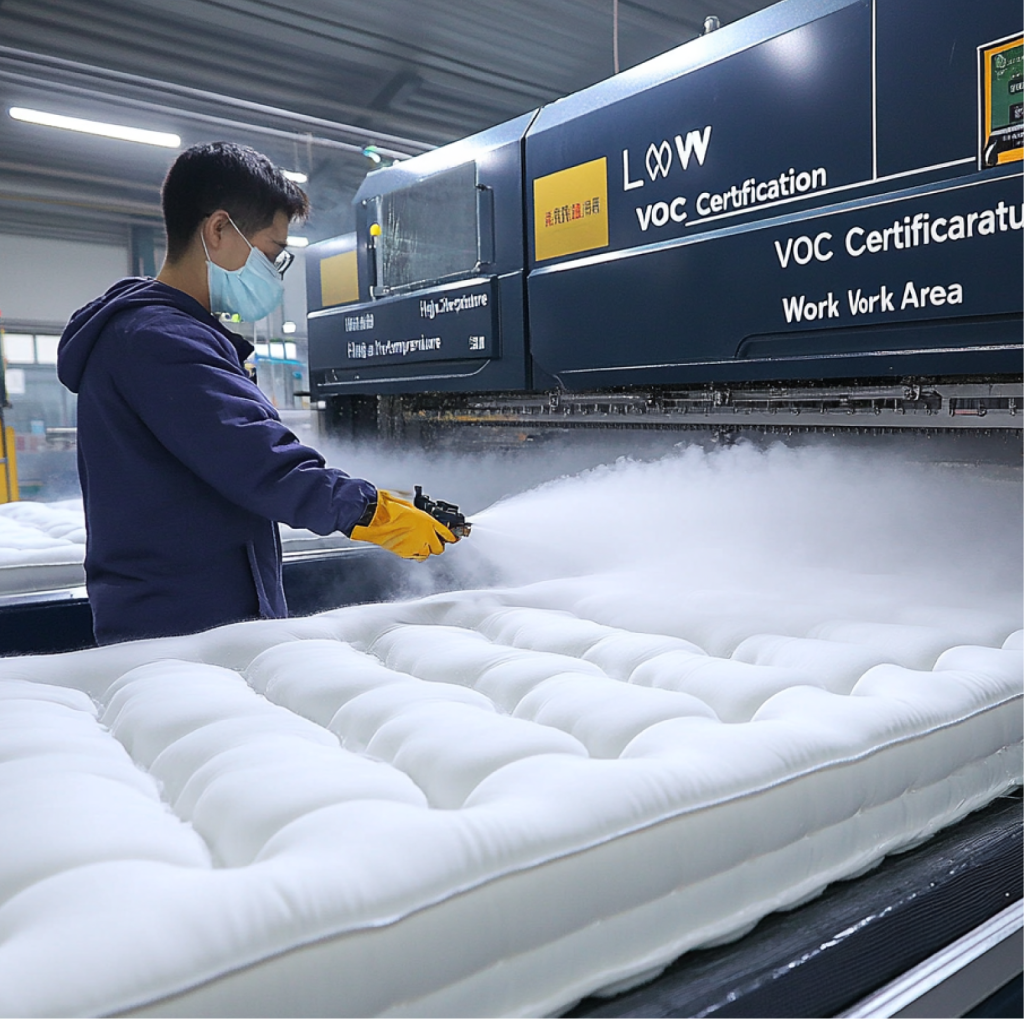
Hot melt adhesives can be applied using various equipment depending on the production line.
| Method | Description | Typical Use |
|---|---|---|
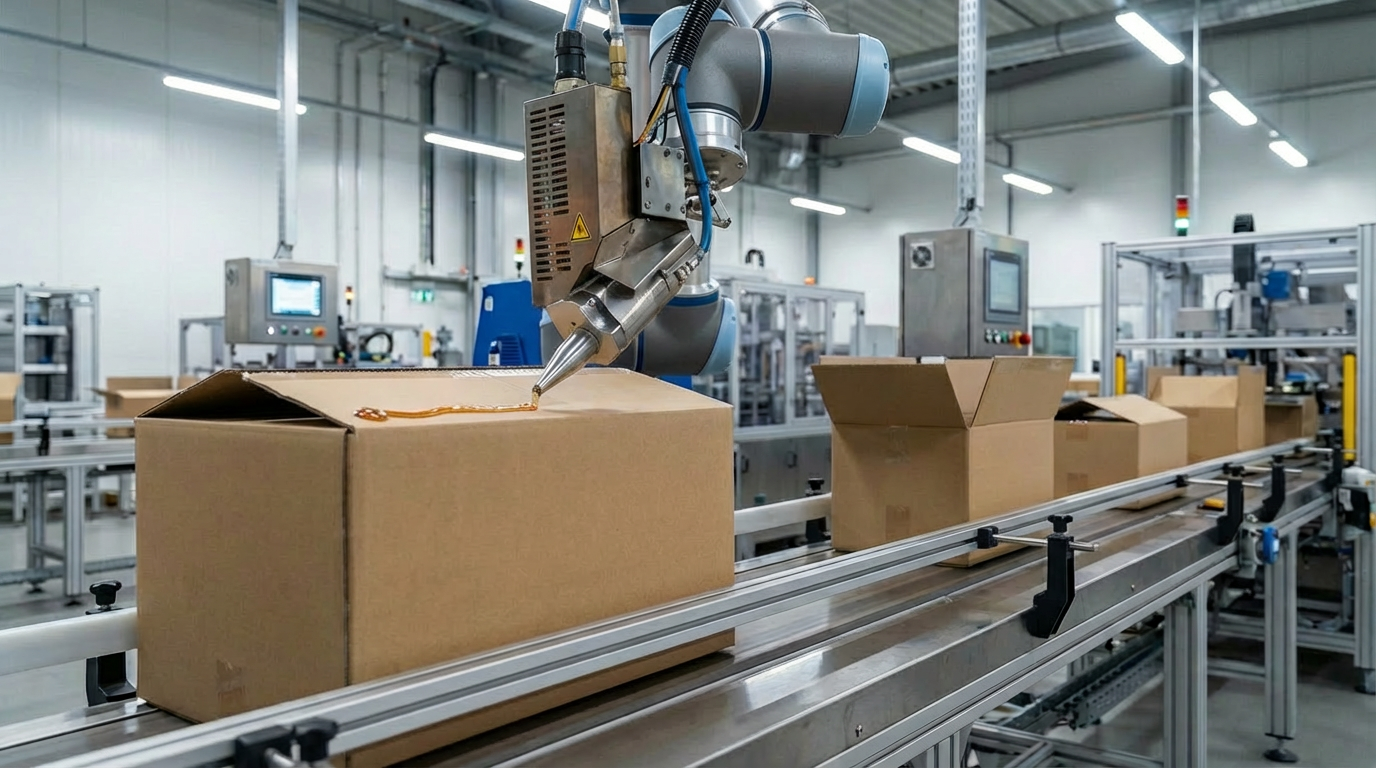
| Bead / Extrusion | Adhesive is extruded through a nozzle in a continuous bead | Carton sealing, product assembly |
| Spray | Atomized adhesive is sprayed over a surface | Large area bonding, lamination |
| Slot Die Coating | Uniform coating through a slot die | Labels, tapes, film lamination |
| Roll Coating | Transfer of adhesive via a roller | Woodworking, fabric coating |
| Wheel Applicator | Rotating wheel picks up adhesive and transfers it | Case sealing, envelope flaps |
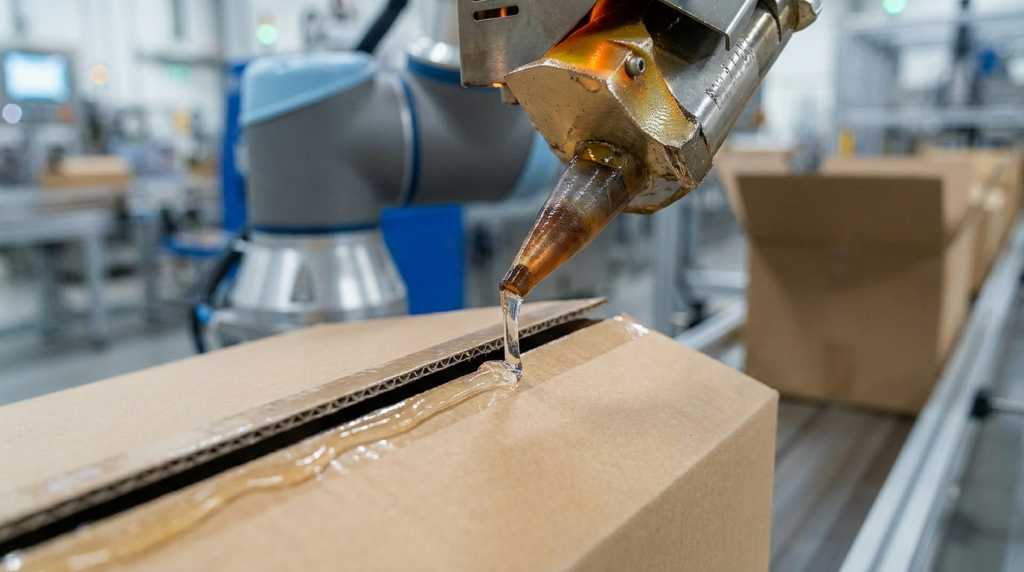
Equipment and Temperature Control
Proper equipment is critical for consistent application:
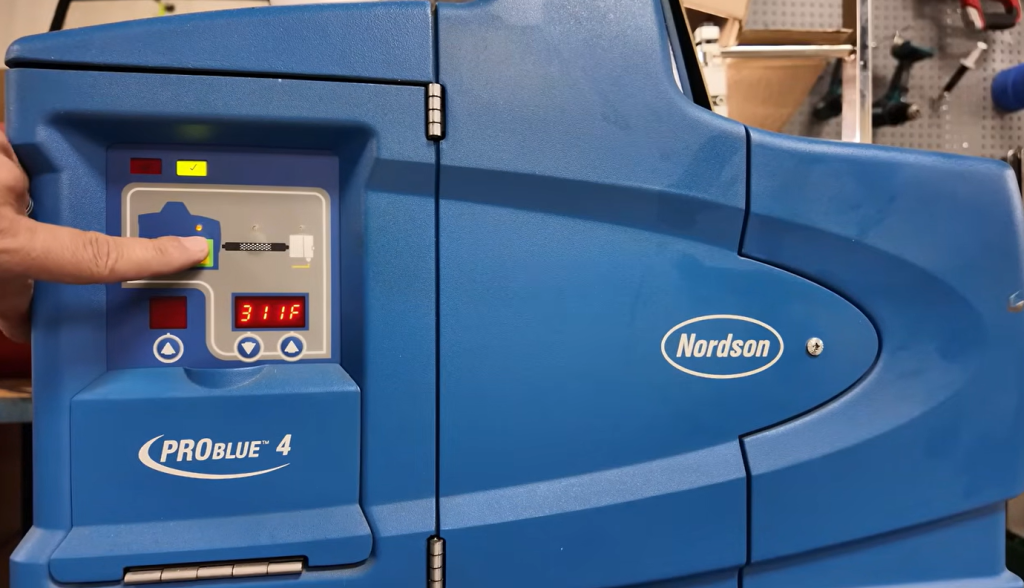
- Tank / Melter: Heats and holds adhesive at the correct temperature
- Hoses: Maintain temperature from tank to applicator
- Guns / Nozzles: Deliver adhesive precisely
Temperature Guidelines:
- EVA: 150–180°C
- Polyolefin: 160–190°C
- Polyamide: 180–230°C
- Polyester: 150–220°C
- PSA: 140–180°C
- PUR: 100–140°C (specialized equipment)
Always follow manufacturer recommendations. Excessive heat can degrade the adhesive, causing charring, smoking, and bond failure.
Common Problems and Troubleshooting
1. Poor Adhesion
- Cause: Contaminated surfaces, incorrect temperature, wrong adhesive choice
- Solution: Clean substrates, verify temperature, test different formulation
2. Stringing
- Cause: Adhesive too viscous, excessive temperature, high molecular weight
- Solution: Lower temperature, switch to low-stringing grade
3. Smoking / Charring
- Cause: Overheating, prolonged dwell time in tank
- Solution: Reduce temperature, clean tank regularly, use antioxidant-stabilized grades
4. Insufficient Open Time
- Cause: Adhesive sets too quickly for the assembly process
- Solution: Choose a slower-setting grade, preheat substrates
5. Clogged Nozzles
- Cause: Contamination, charred adhesive, incorrect nozzle size
- Solution: Regular cleaning, filtration, proper temperature control
Conclusion
Industrial hot melt adhesives are versatile, efficient, and essential to modern manufacturing. By understanding the different types, selection criteria, and application best practices, manufacturers can optimize bonding processes, reduce costs, and improve product durability. Always work closely with adhesive suppliers to tailor solutions to your specific needs.
For more information,Please Contact:
Allen Kong
Oversea Business Manager
sales001@tong-de.cn | www.devoteglue.com
Tel/whatsapp : +86 18822882087 (Allen)
About Devote®:
Devote®, under Shenzhen Tongde New Materials Co., Ltd., is a specialized provider of hot melt adhesives and integrated solutions for automotive filter production. With a strong focus on innovation and customer support, Devote® serves clients worldwide, helping them achieve manufacturing excellence and business growth.
Understanding Hot Melt Adhesive Open Time: What It Is and Why It Matters
Polyamide Hot Melt Adhesive High Temperature Guide: Reading the Spec Sheet

Hot Melt Adhesive for Edge Banding: Ensuring Clean Bonds in Furniture Manufacturing