Click the blue button,select your industry to get suitable hot melt adhesive product recommendations!
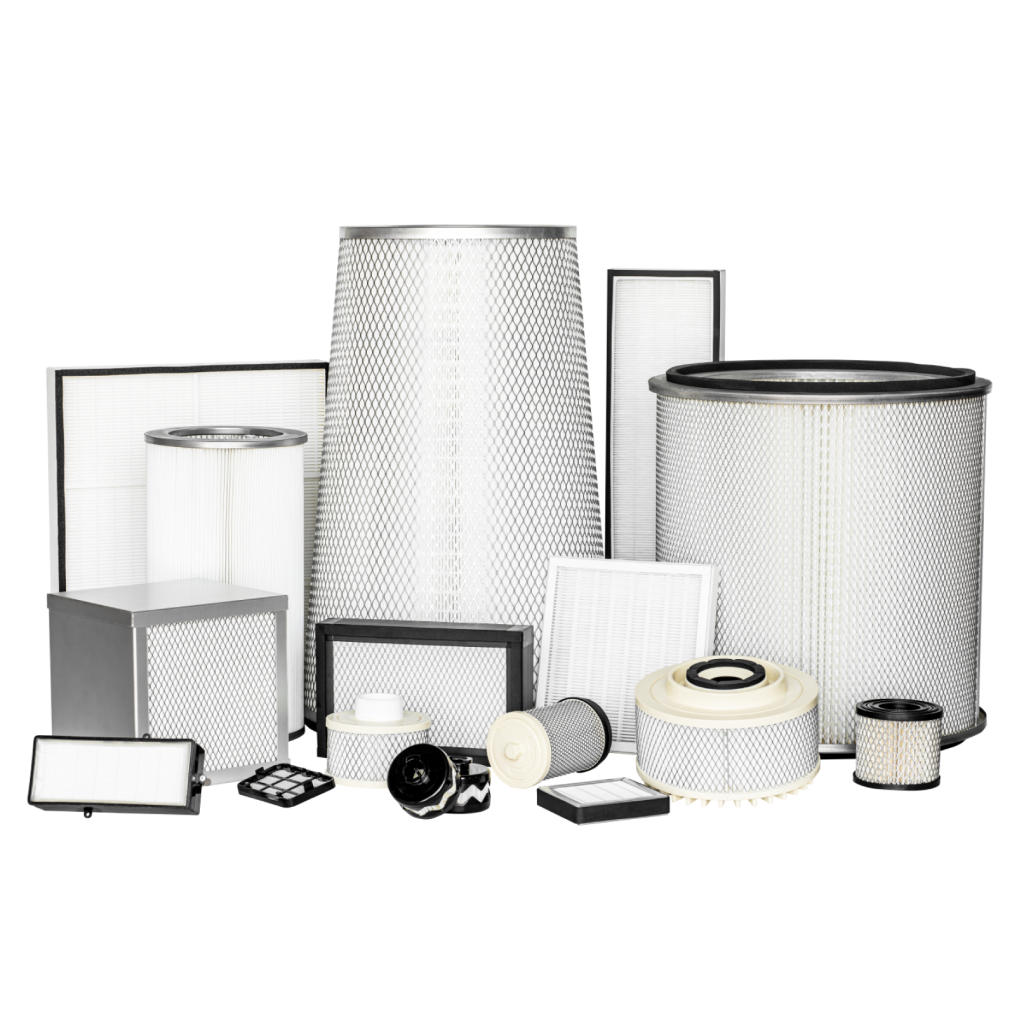

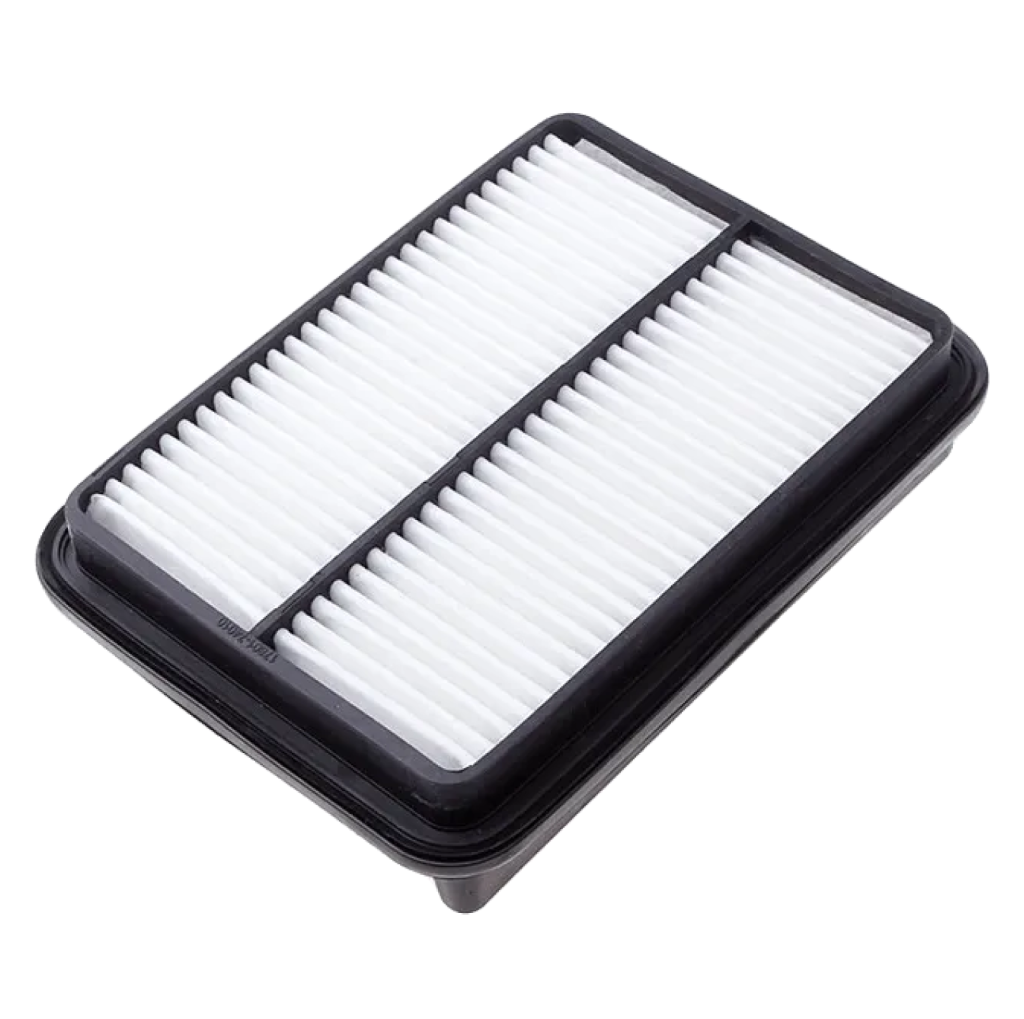
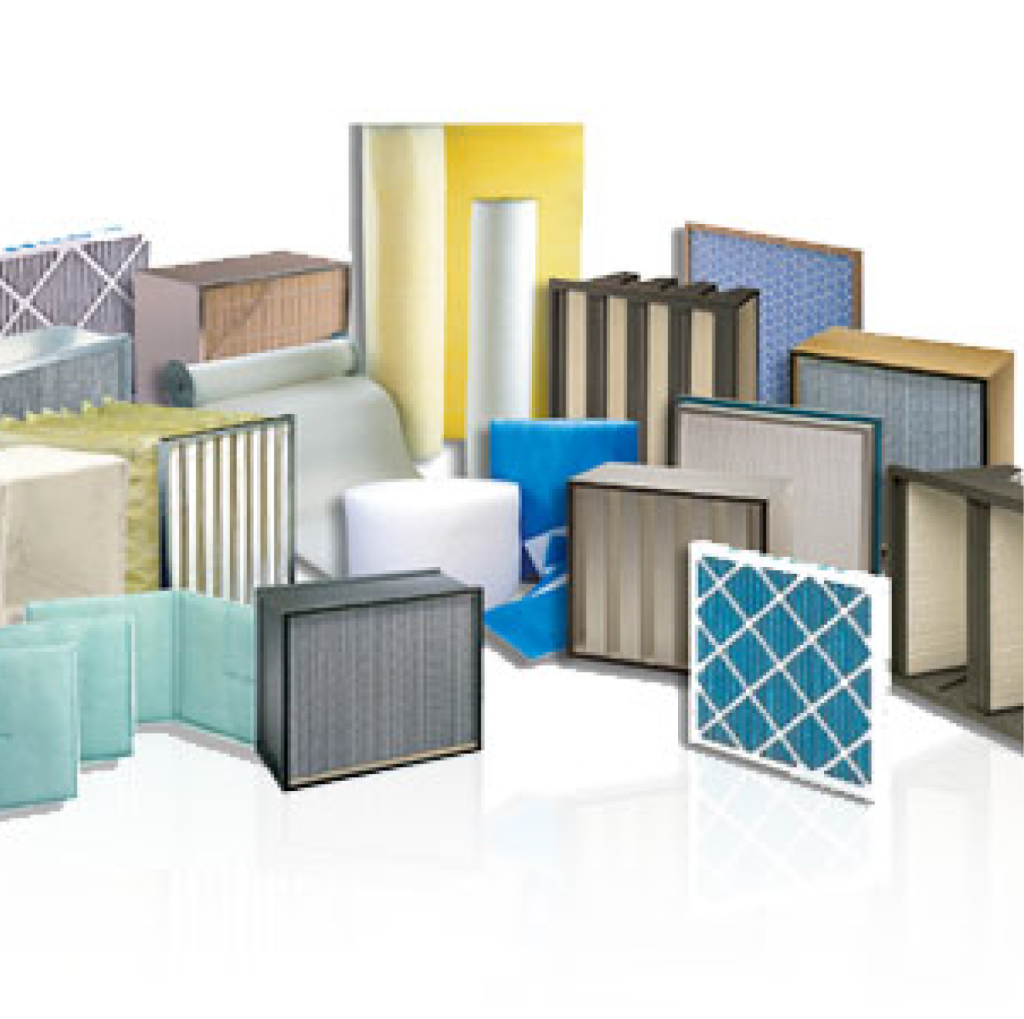
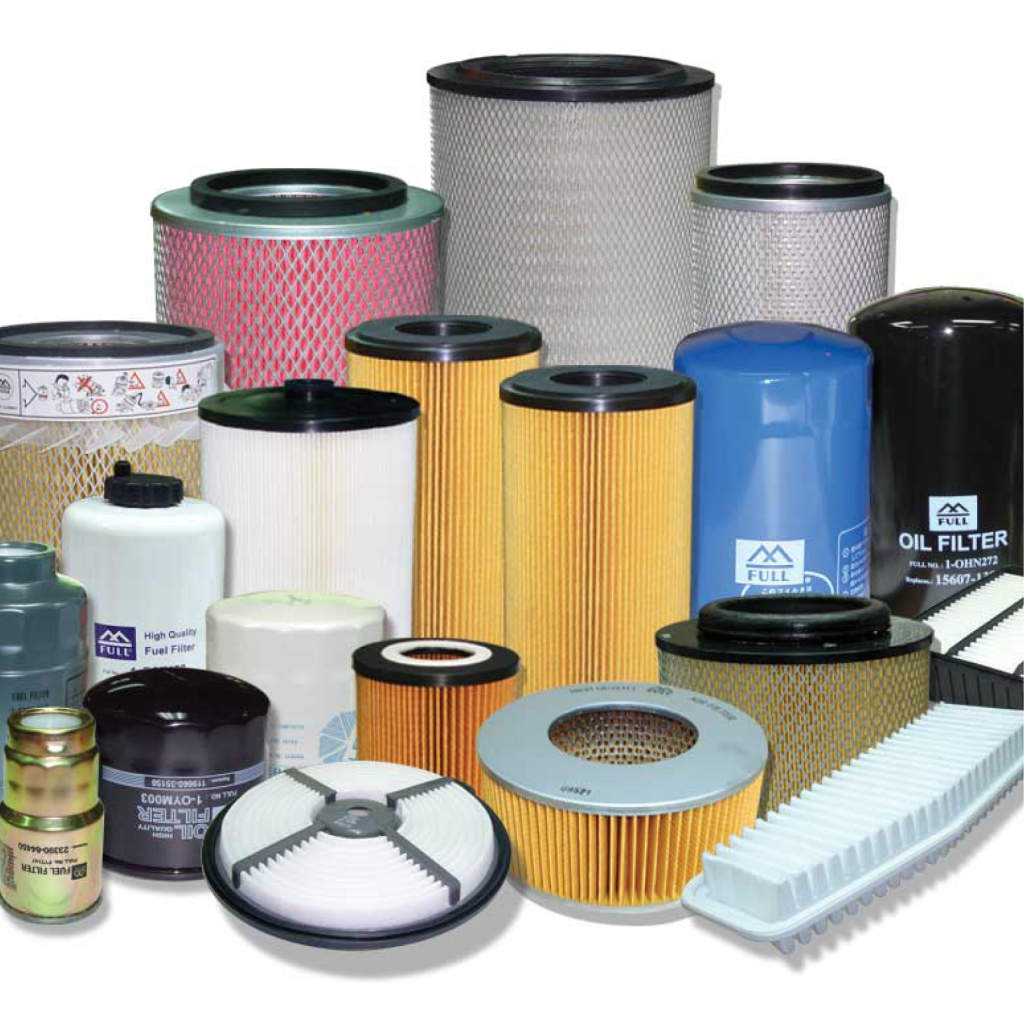
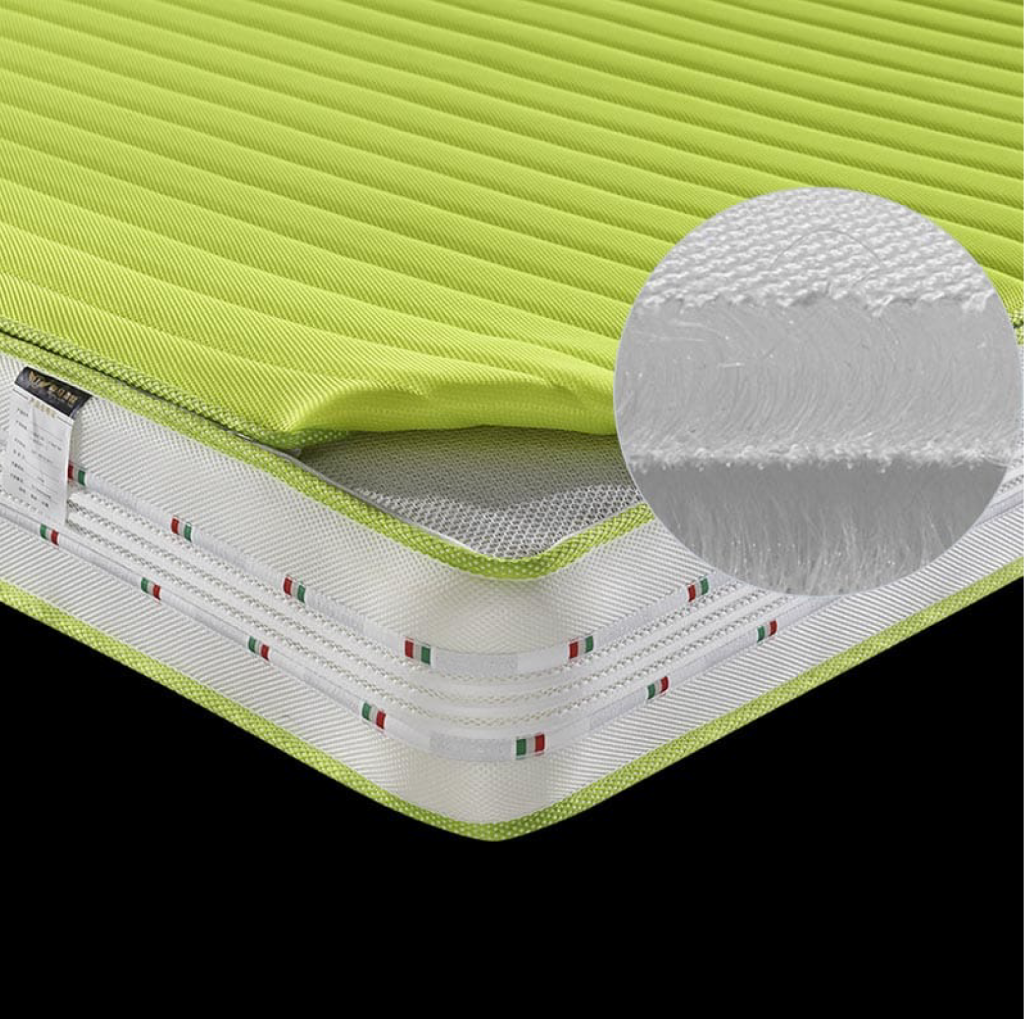

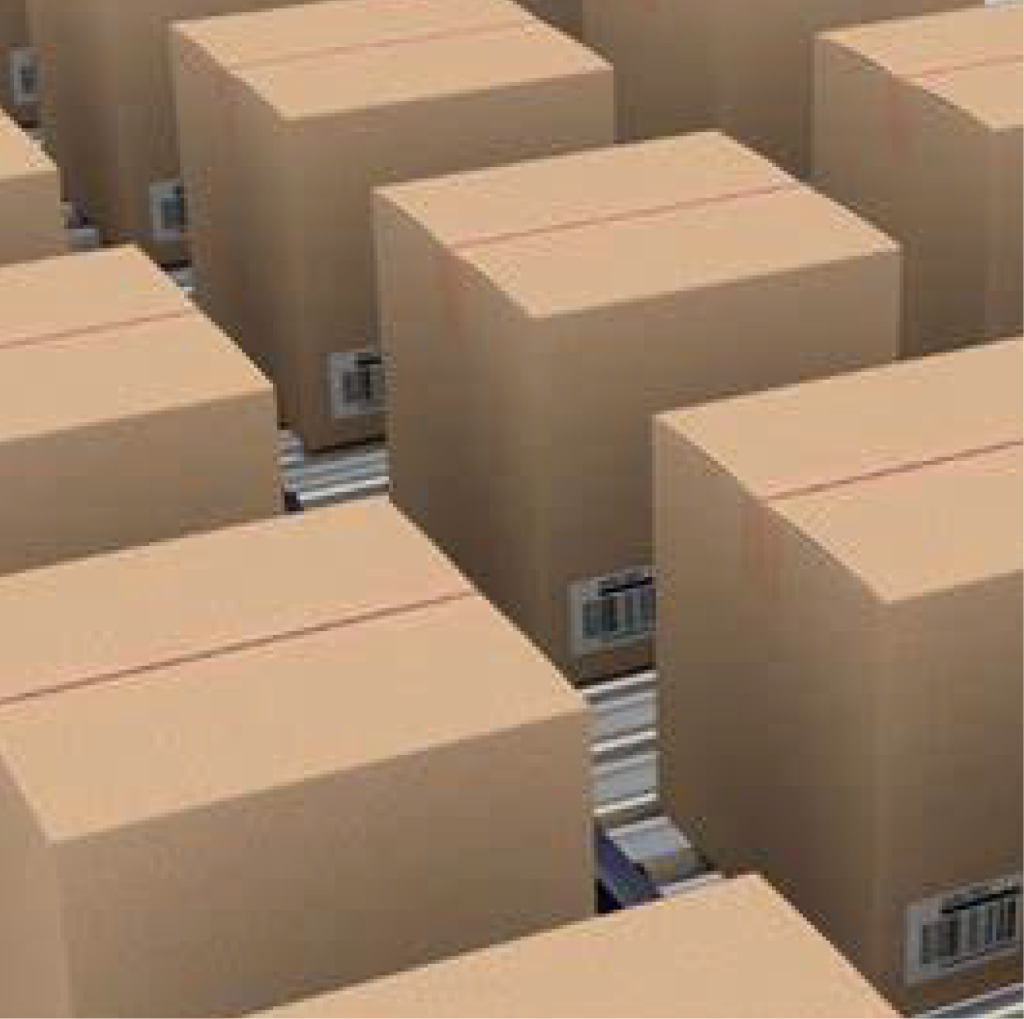



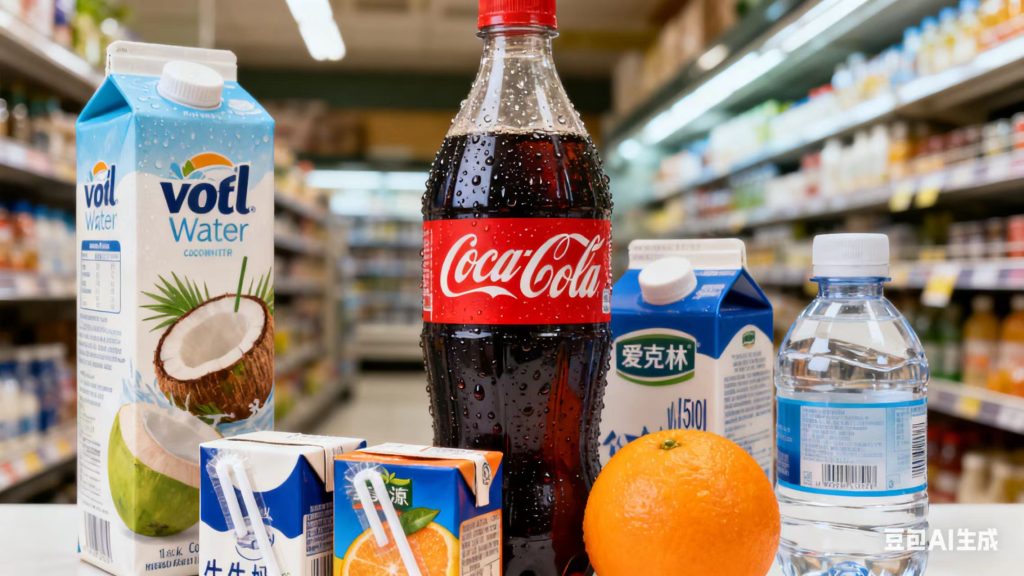
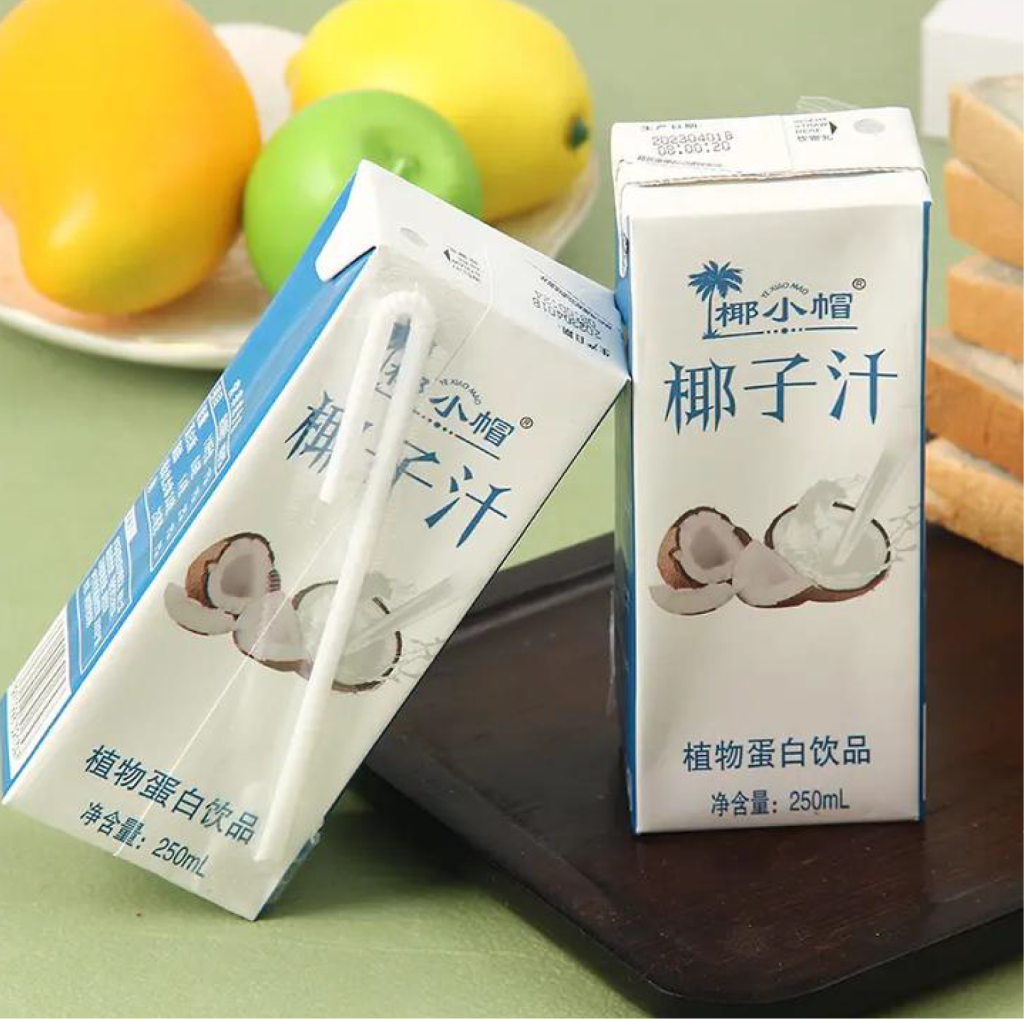

Why Different products require different types of hot melt adhesives?
Different products require different types of hot melt adhesives due to several key factors related to the properties of the materials being bonded, the performance requirements of the product, and the conditions in which the adhesive will be used. Here’s a breakdown of why different hot melt adhesives are applied to various products:
1. Material Compatibility
Different substrates (materials) used in products, such as plastics, wood, metal, fabric, or paper, have different surface properties. A hot melt adhesive that works well with plastic may not bond effectively with fabric, metal, or wood. Hot melt adhesives are formulated with specific chemical compositions to bond with certain materials. For example:
- EVA-based adhesives work well with a variety of substrates, especially paper and fabrics.
- Polyolefin-based adhesives are often used for bonding difficult plastics like polypropylene.
- Rubber-based adhesives may be used for bonding flexible materials, such as fabrics or foams.
2. Temperature and Environmental Resistance
Some products need adhesives that can withstand high temperatures, while others need to perform well in colder environments. The performance of hot melt adhesives can be influenced by the temperature range they are exposed to.
- High-temperature resistance is needed in products exposed to heat, such as automotive parts, electronic devices, and appliances.
- Low-temperature flexibility is important for products that might be exposed to colder conditions, like food packaging or medical applications.
Choosing the right adhesive ensures that the product will hold together without failing under extreme conditions.
3. Bond Strength and Durability
The strength of the bond required depends on the product’s function. A product that is subject to heavy stress or load needs an adhesive with high shear and tensile strength, while lightweight items may not need such a strong bond.
- Heavy-duty products (e.g., automotive or construction applications) might require a hot melt adhesive with strong bonding characteristics and durability.
- Light-duty applications (e.g., packaging or disposable products) may require a more flexible adhesive.
4. Speed of Bonding and Cure Time
The application process also affects the choice of adhesive. Some products require fast setting times for increased production efficiency, while others may allow for slower curing times.
- Fast-setting adhesives are ideal for assembly lines or applications requiring quick bonding.
- Slower-setting adhesives might be used for applications requiring precise alignment or adjustments before the adhesive
5. Safety and Regulatory Compliance
Different industries have specific safety, health, and environmental regulations. For example:
- Food packaging adhesives need to be non-toxic and compliant with food safety standards.
- Medical devices may require hypoallergenic or biocompatible adhesives.
6. Cost Efficiency
Cost is a crucial factor in product manufacturing. Certain hot melt adhesives might be more expensive due to their specialized properties, while others might be more cost-effective for less demanding applications. The choice of adhesive will balance performance needs with cost considerations.
7. Aesthetic Requirements
For some products, especially in consumer goods like cosmetics or electronics, the appearance of the adhesive line can be important. Some adhesives are formulated to leave minimal residue or create invisible seams.
In conclusion, the choice of hot melt adhesive is tailored to meet the unique demands of each product, from the materials being bonded to the environmental conditions and performance expectations. Properly selecting the right adhesive ensures that the final product is durable, safe, and efficient in its intended use.